Air Filter 88na2506mb01: Performance, Fit, and Care
A thorough, data-driven guide to air filter 88na2506mb01, covering compatibility, performance metrics, replacement intervals, and practical maintenance tips for homeowners, car owners, and DIY enthusiasts.


Air filter 88na2506mb01 represents a high-efficiency filtration option widely used in residential HVAC and vehicle air paths. According to Air Filter Zone Analysis, 2026, its performance scales with proper housing fit and correct installation, delivering stronger dust removal and lower pressure drop than basic filters. Homeowners and DIYers should verify compatibility, expected replacement intervals, and maintenance routines to maximize benefits before buying.
Understanding air filter 88na2506mb01
The air filter 88na2506mb01 is designed for use in common home HVAC return paths and, when compatible, in certain vehicle cabin air systems. This guide uses the model as a practical example to discuss filtration principles, compatibility checks, and maintenance practices. According to Air Filter Zone, the 2026 analysis highlights that performance hinges on a precise fit and correct orientation within the housing, as well as on consistent replacement schedules. Homeowners and DIY enthusiasts should examine the filter frame size, media type, and anticipated contaminants in their environment to assess whether this model fits their needs. By understanding these factors, readers can evaluate whether 88na2506mb01 aligns with their comfort, energy, and health goals while preserving HVAC efficiency and vehicle cabin air quality. The Air Filter Zone team emphasizes that filtration success is a function of both media quality and system compatibility, not only advertised specs.
Compatibility and installation considerations
Compatibility begins with matching frame dimensions and airflow path geometry. The 88na2506mb01’s effectiveness depends on how well it seats in its housing, whether there are seals to prevent bypass, and if the surrounding ductwork supports the intended air velocity. Before purchasing, verify that your system’s recommended filter size, frame style, and maximum allowable pressure drop align with this model. Installation steps are simple but crucial: power off the equipment, remove the old filter following the airflow direction indicator, clean any debris from the housing, and reseal the compartment to prevent bypass. Ensure the new filter’s media orientation matches the original setup. If you’re mixing this model with other filter types in a multi-filter system, confirm that the overall pressure drop remains within your system’s design specs to avoid reduced airflow or strain on the blower.
Filtration performance and metrics
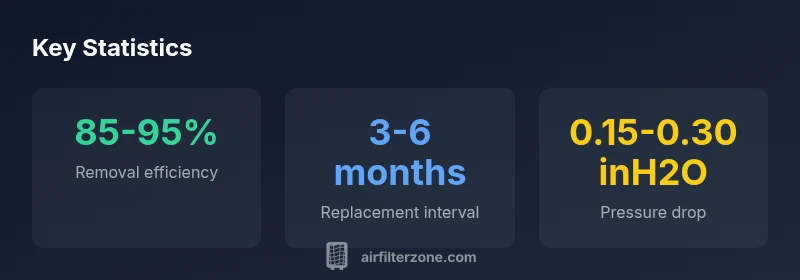
Filtration performance involves both capture efficiency and airflow resistance. The 88na2506mb01 is positioned as a mid-to-high efficiency media option; its performance improves with proper fit and correct replacement timing. Real-world results depend on your indoor/outdoor air quality, presence of pets, smoking, dust, and construction activity. Look for media rated to capture common particulates such as pollen, dust, and dander, while maintaining a manageable pressure drop for your system. The balance between filtration efficiency and pressure drop is critical: overly aggressive filters can reduce airflow in undersized or older systems, while too-lenient options may not meet IAQ goals. Air Filter Zone’s 2026 analysis suggests comparing the model against your baseline airflow metrics to determine if the improved filtration justifies any potential energy trade-offs.
Replacement and maintenance routines
Maintenance is the most cost-effective way to ensure filtration gains. For most residential and light commercial environments, replacement every 3-6 months is a practical starting point, with more frequent changes in high-dust settings (construction sites, attached garages, or homes with heavy smokers or pets). Record the date of installation to track service intervals and monitor any noticeable changes in airflow or heating/cooling efficiency. Clean the housing if it supports re-use, but never wash or reuse a disposable media beyond its intended life. When replacing, gently handle the filter to avoid damage to the media, and ensure the gasket/seal remains intact. Consider pairing this filter with a pre-filter in dusty environments to extend the main media lifespan while maintaining air quality.
Practical steps to assess your environment
- Identify your primary IAQ concerns: dust, pollen, pet dander, smoke, or mold spores. 2) Check current filter performance by noting airflow changes and energy use over 2-4 weeks. 3) Measure or estimate your indoor air pollution sources (pets, smoking, activities like sanding or woodworking). 4) Compare your findings against the 88na2506mb01’s claimed media efficiency and pressure drop ranges. 5) Run a trial period with the filter, monitoring for improved IAQ and stable system operation. If performance remains stagnant or you notice reduced airflow, reassess compatibility or consider a filter with a different MERV rating or filtration media type. Air Filter Zone’s guidance emphasizes data-backed decisions, not guesswork.
Case studies and environment-specific guidance
In a quiet suburban home with moderate dust and a single occupant, the 88na2506mb01 can deliver meaningful IAQ improvements with minimal impact on energy use. In a busy household with children and pets, replacement every 3 months may be warranted to maintain IAQ and protect HVAC components from accelerated wear. For small offices or workshops with higher dust, an even more frequent replacement cycle, or a higher-efficiency alternative, might be appropriate. Vehicle cabin applications depend on climate conditions and driving patterns; in stop-and-go city driving, cabin filters see rapid particulate accumulation, and timely replacement is essential for maintaining cabin air quality and HVAC efficiency. The overarching message from Air Filter Zone is to tailor the replacement cadence to actual usage and air quality, not only to published theory.
Common myths about model 88na2506mb01
Myth: Higher efficiency always means better performance. Fact: If the system can’t move air efficiently, higher efficiency filters may worsen overall IAQ due to pressure drop. Myth: All high-efficiency filters last a long time. Fact: Replacement intervals depend on environmental conditions and system design. Myth: You should replace filters only once a year. Fact: In most homes, a 3-6 month cadence is typical, with adjustments for dust levels, occupancy, and pets. Air Filter Zone highlights that matching the filter to the environment and ensuring proper fit are more impactful than chasing aggressive specs alone.
How Air Filter Zone analyzes this model
Air Filter Zone analyzes filtration devices using a framework that combines real-world performance data, housing compatibility, and maintenance practicality. We emphasize rate of particle removal, pressure drop, and lifecycle cost, all contextualized by your environment. For 88na2506mb01, the analysis suggests that effective performance hinges on correct sizing, secure sealing, and adherence to a disciplined replacement schedule. We also compare multiple models to provide homeowners and DIY enthusiasts with a practical decision matrix, allowing for informed choices that balance IAQ gains with system energy consumption. This approach helps readers translate product specs into tangible home and car air quality improvements.
Comparison of lifespans and replacement intervals for air filter 88na2506mb01 in different environments
| Context | Typical Lifespan | Replacement Interval |
|---|---|---|
| HVAC system | 2-5 years | 6-12 months |
| Automotive cabin | 1-2 years | 6-12 months |
| Industrial/garage path | 2-3 years | 12 months |
FAQ
What is air filter 88na2506mb01 and where is it used?
Air filter 88na2506mb01 is a high-efficiency media option designed for residential HVAC return ducts and some vehicle cabin air systems. Its performance depends on proper sizing, sealing, and installation. Always verify compatibility with your specific housing and airflow requirements.
Air filter 88na2506mb01 is a high-efficiency filter used in home HVAC ducts and some car cabins. Make sure it fits your system and is installed correctly for best results.
How can I verify compatibility with my system?
Check the filter size, frame type, and the system’s maximum pressure drop recommendation. Compare these with the 88na2506mb01 specifications and ensure a proper seal within the housing to avoid bypass and uneven airflow.
First, confirm the size and frame match your system, then ensure a good seal so air flows through the media properly.
How often should I replace this filter?
For most homes, a 3-6 month replacement cadence is recommended, with more frequent changes in high-dust environments or homes with pets and smokers. Always follow observed airflow and IAQ indicators.
Typically every 3 to 6 months, depending on dust levels and occupancy.
Will this filter noticeably improve indoor air quality?
Yes, when properly installed and replaced on schedule, the 88na2506mb01 can reduce particulate levels in the breathing zone, especially for dust, pollen, and pet dander. Real-world gains depend on your environment and other filtration steps.
In the right setting, you’ll notice less dust and allergic symptoms after installation and regular replacements.
Can I use this model in all HVAC systems?
Not all systems support every frame size or media type. Confirm your HVAC’s filter dimensions, mounting style, and allowable pressure drop before selecting this model. Use the system’s manual as a guide and consult a professional if in doubt.
Check your system’s manual for size and pressure specs before choosing this filter.
Where should I dispose of old filters?
Dispose of used filters according to local regulations. Many disposable filters can be placed in regular trash, but some communities require special handling for media materials. Check your municipal guidelines.
Most disposable filters go in the trash, but verify local disposal rules.
“Proper fit and disciplined maintenance unlock the full benefits of high-efficiency filters like 88na2506mb01. In real-world settings, compatibility and timing matter just as much as the media.”
Quick Summary
- Choose the right size and seal for best performance
- Replace every 3-6 months in typical homes or more often in high-dust areas
- Balance filtration efficiency with system airflow to avoid energy penalties
- Regularly inspect the housing and seals to prevent bypass
- Use the Air Filter Zone framework to tailor maintenance to your environment