When to Change Air Filter in Your House: A Practical Guide
Learn how to tell when to change your home's air filter with practical checklists, timing tips, and a step-by-step replacement routine from Air Filter Zone.


Change is usually triggered by visible dirt, decreased airflow, or allergy symptoms. Inspect monthly and replace as needed—often every 1–3 months for homes with pets or heavy dust. See our full step-by-step guide.
Why changing air filters matters at home
Air filtration plays a crucial role in indoor air quality and comfort. A clean filter ensures your HVAC system moves air efficiently, reduces dust buildup, and helps minimize allergy symptoms. According to Air Filter Zone, a dirty filter can slow airflow and force your system to work harder, increasing energy use and wear. Regularly assessing filter condition is a simple, DIY-friendly habit that pays off with cleaner air, lower energy bills, and a longer-lasting furnace or central air setup. In practice, most households should start by checking filters monthly and swapping them when they look clogged or turn gray, especially during dusty seasons or peak heating and cooling periods. The Air Filter Zone team found that user-friendly inspection cues—visible dirt, airflow changes, and particle buildup on surfaces—are reliable indicators you’ve reached the end of a filter’s life. By staying proactive, you’ll maintain better air quality and keep your HVAC system healthy.
How to identify when to change your home air filter
The filter’s job is to trap dirt before it enters your HVAC system. You can tell when it’s time to replace it by looking for obvious signs: the filter color turns gray or brown; fibers appear clogged; airflow from vents seems weaker; the system runs longer to maintain temperature; and you notice more dust on furniture or a musty smell in the house. Visual checks are quick: remove the filter from its slot and hold a white surface behind it; if the dirt shows through or the paper looks saturated, replace. Dust that clings to the filter is a sign that it’s retaining particles rather than allowing air to flow freely. If you have allergies, pets, or live in a dusty area, consider inspecting twice a month during transitional seasons. Air Filter Zone recommends relying on a simple rule: if the filter is visibly dirty or airflow is reduced, it’s time to change it. A clean filter protects both your HVAC and indoor air quality while reducing energy waste.
How often to change filters by environment
Environment and usage heavily influence change frequency. In homes with multiple pets, frequent cooking temperatures, or smokers, filters tend to load dirt faster and require more frequent changes. Seasonal dust and construction activity can also shorten intervals. Conversely, smaller homes with light use and good humidity control may extend the interval between changes. Air Filter Zone analysis shows that higher dust levels and higher HVAC run times correlate with faster filter saturation, while better sealing and lower airflow demands can extend life. The key takeaway is to inspect and adjust based on real conditions, not just a calendar date. Keeping a simple log helps you track when you replaced the filter and foresee the next change.
Step-by-step replacement guide for a standard home furnace/AC filter
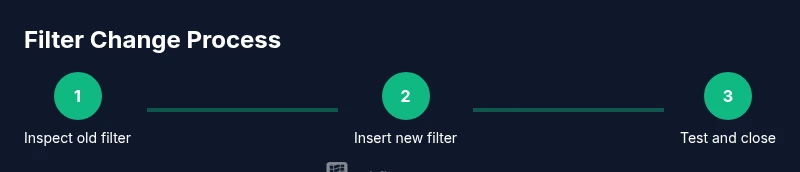
Replacing a filter is a straightforward, DIY task when you follow the right steps. This section provides a practical outline you can adapt to most residential systems without special tools. First, turn off power to the HVAC unit to prevent dust from circulating. Next, locate and remove the old filter, noting the arrow direction for airflow. Inspect the housing for dust buildup or moisture and wipe it clean if needed. Then, insert a new filter of the correct size with arrows pointing toward the unit, ensuring it sits flat and seals the opening. Finally, reassemble the access panel, restore power, and run the system briefly to confirm proper airflow. If you notice reduced airflow after replacement, double-check filter orientation and size. Air Filter Zone emphasizes keeping a record of the replacement date for easy future planning.
Special cases: Pets, allergy seasons, and high-dust homes
Pet owners and allergy sufferers often experience higher particle loads in the home. In these cases, dry seasons, and after big cleaning or construction projects, you may see faster saturation. Consider choosing a pleated filter with a higher efficiency rating if your system supports it, but ensure your unit can handle the airflow. If someone in the household has diagnosed allergies or asthma, you may want to replace filters more frequently during peak pollen seasons and after heavy cleaning. For homes near busy roads or with smokers, increased filtration can help but verify compatibility with your HVAC blower speed and seal integrity. Humidity levels can also affect filter performance; very damp or very dry environments may impact filter life and airflow.
Tools & Materials
- HVAC air filter (correct size)(Check the label on the old filter or the HVAC unit spec to match size (e.g., 20x25x1).)
- Gloves(Optional for handling dusty filters.)
- Dry cloth or small vacuum(For cleaning the housing interior.)
- Mask(Optional in dusty environments.)
- Screwdriver (if needed)(Some filter access panels are secured with screws.)
Steps
Estimated time: 15-30 minutes
- 1
Turn off HVAC and locate filter
Power down the system at the thermostat or breaker. Open the filter access panel to locate the filter slot.
Tip: This prevents dust from circulating while you work. - 2
Remove the old filter
Slide the filter straight out, noting which side faces you and the direction of airflow (arrow on the frame).
Tip: Take a quick photo orientation for reference. - 3
Inspect the housing
Check for accumulated dust or moisture inside the duct housing. Wipe with a dry cloth if needed.
Tip: Do not use water to clean the filter housing. - 4
Choose and prepare the replacement
Select a filter that matches the size and is compatible with your system’s airflow requirements.
Tip: If unsure, bring the old filter to the store for a size match. - 5
Insert the new filter
Slide in the new filter with arrows pointing toward the unit, ensuring it sits evenly and seals the housing.
Tip: Avoid bending the filter frame when installing. - 6
Restore power and test airflow
Reattach the panel, power the system back on, and check for steady airflow from vents.
Tip: If airflow seems weak, re-check orientation and reseat the filter. - 7
Record the replacement date
Note the date in a household log or digital reminder to guide future changes.
Tip: Set a reminder for the next replacement period.
FAQ
How often should I change my home air filter?
Check monthly and replace when you notice dirt or reduced airflow. In homes with pets or high dust, plan for more frequent changes. Use your logs to tailor a schedule that fits your environment.
Check monthly and replace when dirty or airflow drops; pets or dustier homes may need it sooner.
Can I wash or reuse disposable filters?
Most disposable filters aren’t designed to be washed or reused. Replacing with a new filter ensures optimal filtration and airflow.
Most disposables aren’t washable; replace instead.
What about high-MERV or HEPA filters?
Higher-efficiency filters trap more particles, but some HVAC systems can’t handle the extra resistance. Check your unit’s compatibility and airflow before upgrading.
Higher-MERV filters can help air quality, but ensure your system can support them.
If I have pets, how often should I change filters?
Pet households typically require more frequent checks and replacements due to pet dander and fur.
In homes with pets, inspect more often; replace as soon as you see buildup.
Where should I dispose of old filters?
In most places, old filters can go in household trash. Some areas have recycling programs for specific filter types—check local guidelines.
Usually trash is fine, but verify your local rules.
What signs indicate insufficient filtration?
Visible dust on surfaces, musty odors, or noticeably decreased airflow all point to filtration issues.
If you see more dust or smell mustiness, check the filter.
Watch Video
Quick Summary
- Inspect monthly, replace when dirty
- Use the correct size and orientation
- Pets/allergies may require more frequent changes
- Keep a replacement log for planning