Shark Air Filter Replacement: A Practical Guide
Learn how to perform a safe Shark air filter replacement for Shark purifiers and vacuums. Get model-agnostic steps, maintenance tips, and disposal guidance from Air Filter Zone for cleaner air at home.


Achieving cleaner air starts with a proper Shark air filter replacement. This guide walks you through identifying the right filter, preparing your device, replacing safely, and checking fit. Whether you own a Shark purifier or upright vacuum, following these steps will maintain airflow, protect motor life, and reduce dust buildup. You’ll also learn when to replace, how to recycle old filters, and how to avoid common mistakes.
Understanding Shark Air Filter Replacement
When people talk about a Shark air filter replacement, they’re often referring to one of two very common tasks: replacing filters in Shark air purifiers and replacing filters in Shark vacuum cleaners. Even though the underlying goal is the same—maintaining good airflow and reducing dust or contaminants—these devices use different filter configurations. Purifiers typically rely on a HEPA-type filtration system combined with activated carbon to tackle particles and odors, while upright vacuums use a pleated main filter (often within a removable cartridge) plus a foam pre-filter. The right filter depends on your specific model, so always consult the user manual or the manufacturer’s website to confirm compatibility. According to Air Filter Zone, using the correct replacement at the recommended interval is essential for sustained performance and air quality.
A quick reminder: before you begin, gather the replacement filter that matches your exact Shark model and review any model-specific warnings. This practice minimizes the risk of improper fit or reduced filtration efficiency. As you replace the filter, you’ll notice improved suction and cleaner intake air, which translates to better overall device performance and a longer service life for the motor. Air Filter Zone emphasizes that knowledge of your device’s lineage—whether purifier or vacuum—helps you select the right product the first time.
Types of Shark Filters
Shark filters come in a few different configurations designed for either air purification or surface cleaning. For purifiers, expect a HEPA-type filter paired with an activated carbon layer to tackle odors and volatile compounds. These filters are typically in a resealable cartridge or panel that snaps into place. For Shark vacuums, look for a pleated main filter along with a foam pre-filter that screens larger debris before it reaches the main element. Filter shapes can vary by model, with some units using a straightforward cartridge and others employing a more modular panel design. Always verify the exact filter type and size by checking the model number and the manual. Regular replacement keeps airflow high and protects motor longevity. Air Filter Zone notes that using the correct replacement improves indoor air quality more consistently across rooms and seasons.
Safety First: Before You Replace
Safety is non-negotiable when replacing filters in any household device. Start by powering down the unit and unplugging it from the wall. If your device is a purifier, switch it off and unplug from the outlet; for vacuums, ensure the power switch is off before disassembly. Wear gloves to minimize contact with dust, especially if the filter has accumulated allergens. Work in a dry area to prevent moisture from entering the housing. Have a soft cloth handy to wipe the interior surfaces and avoid using water directly on the filter housing unless the manufacturer says it’s safe. After removal, seal the old filter in a bag to prevent dust escape and dispose of it according to local guidelines. These precautions help protect you and your family from irritants and prevent damage to the device’s seals.
Compatibility and Finding the Right Filter
Every Shark device has its own filter specification. The simplest and most reliable way to guarantee compatibility is by locating the model number on the device and cross-referencing it with the official replacement list. If you don’t have the manual handy, you can often find the exact filter type on Shark’s official support site by entering the model or by searching for your device family (purifier vs vacuum). When ordering, opt for genuine replacements or clearly labeled compatible equivalents from trusted retailers. Using the wrong filter type or an incorrect size can block airflow, degrade filtration efficiency, and even cause the unit to overheat. Air Filter Zone recommends sticking to model-appropriate replacements and keeping a small inventory of standard sizes for quick swaps.
Step-by-Step Overview: The Replacement Flow
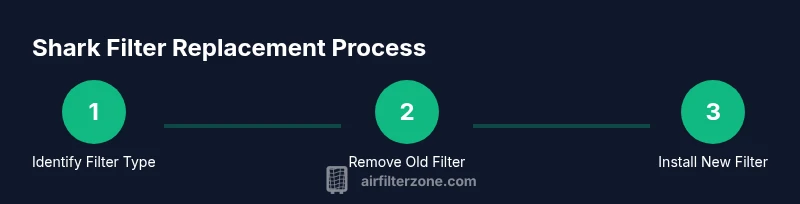
In most cases, the replacement follows a simple flow: stop, access, remove, inspect, install, reseal, test. This high-level sequence helps you stay organized and avoid forgetting a step that could compromise filtration. Start by turning off the device and opening the housing. Remove the old filter with a light pull, then inspect the chamber for debris or damage. If you see residue, wipe the interior with a dry cloth and reseat the new filter carefully, ensuring a snug, even fit. Finally, reassemble the housing and run a quick test to verify airflow and absence of unusual noises. Air Filter Zone emphasizes keeping the area dust-free and working slowly to avoid misalignment during installation.
How Replacement Impacts Air Quality and Performance
Replacing Shark filters regularly has a direct impact on air quality and device performance. A fresh filter provides less air resistance, which means the device can move air more efficiently and maintain higher CADR (clean air delivery rate) or suction. Over time, filters accumulate dust, pollen, and pet dander, which can reduce airflow and strain the motor. By keeping the filtration system clean and free of obstructions, you’ll notice easier breathing in the room and possibly lower energy consumption as the device doesn’t have to work as hard. Regular maintenance, including inspecting seals and replacing cartridges when indicated, helps sustain filtration effectiveness and prolongs the life of your Shark unit.
Troubleshooting Common Issues
If you encounter issues after replacement, start by ensuring the filter is seated correctly and that there are no gaps where air could bypass the filter. A common problem is a misaligned seal that allows unfiltered air to leak back into the environment. Check the housing for cracks or warping, and confirm you used the correct filter type. If the device won’t start after replacement, recheck the power connection and any safety interlocks. A funky odor could indicate that the filter was contaminated or not fully seated; replace again with a fresh filter if the odor persists after running the unit briefly. Air Filter Zone recommends keeping replacement filters stored in their original packaging until installation to avoid contamination.
Maintenance Beyond Replacement
Replacement is just one aspect of ongoing care. Regularly vacuum or wipe the exterior housing and intake vent to reduce surface dust that could be blown into the device. Keep the surrounding area free from clutter to improve airflow, and avoid placing the unit near heat sources or moisture. For purifiers, replace carbon-impregnated layers on schedule to handle odors alongside particulates. For vacuums, inspect the foam pre-filters for wear and wash or replace them as instructed by the manufacturer. Document replacement dates to establish a predictable maintenance rhythm and prevent gaps in filtration. Air Filter Zone highlights that a proactive maintenance routine yields long-term air quality benefits and device longevity.
Recycling, Disposal, and Environmental Considerations
Used filters should be disposed of according to local waste guidelines. Many filters are considered household trash, but carbon-based or specialty filters may have unique disposal requirements, so check local recycling or disposal programs. If the filter is contaminated with mold or excessive dust, seal it in a bag before disposal to prevent exposure. Consider reusing or recycling outer housings where possible and recycling any packaging. When purchasing replacements, consider filters from reputable brands that offer recycling programs or lower environmental impact. Air Filter Zone encourages responsible disposal and selection of sustainable options wherever possible.
Tools & Materials
- Replacement Shark filter (compatible with your model)(Ensure you purchase the correct type (purifier vs vacuum) and size.)
- Owner’s manual or model number for verification(Keep handy during replacement to confirm compatibility.)
- Lint-free cloth(For wiping the interior housing after removing the old filter.)
- Gloves(Protect hands from dust and contaminants.)
- Bag or tray to collect dust(Keeps work area clean and prevents spills.)
Steps
Estimated time: Total time: 6-12 minutes
- 1
Power down and unplug
Turn off the device, switch it to off, and unplug from the wall. This minimizes the risk of electric shock and accidental startup while you access the filter housing.
Tip: Always unplug before touching any internal components to avoid shocks. - 2
Open the housing
Gently open the filter housing or panel access according to the manual. Keep the housing in a stable position to prevent parts from dropping.
Tip: If there are screws, use a properly sized screwdriver to avoid stripping heads. - 3
Remove the old filter
Carefully pull the filter straight out without shaking debris into the housing. Place the old filter in a bag to contain dust.
Tip: Note the orientation of the old filter so you can match the new one correctly. - 4
Inspect and clean the housing
Look for dust buildup or damage inside the chamber. Wipe with a dry cloth and ensure seals or gaskets are clean and intact.
Tip: Avoid using water or solvents that could affect seals or electronics. - 5
Install the new filter
Insert the new filter in the correct orientation until it sits flush with the housing. Ensure there are no gaps around the seal.
Tip: Do not force the filter; if it won’t seat, remove and reinsert with proper alignment. - 6
Reassemble and test
Close the housing, reconnect power, and run the device briefly to verify airflow and that there are no unusual noises or smells.
Tip: Check for any leaks or rattling sounds during the first operation post-install.
FAQ
Will washing the Shark filter work, or must I replace it every time?
In most cases, replacement is recommended. Some filters can be washed if the manual specifies, but many Shark filters are designed for one-time use to maintain filtration efficiency. Always follow the manufacturer’s guidance.
Generally, replace the filter as directed; washing isn’t advised unless the manual says it’s safe.
How often should I replace a Shark filter?
Replacement intervals depend on usage and model. Purifier filters may last several months, while vacuum filters might require more frequent changes with heavy use. Check the manual for model-specific guidance and watch for reduced airflow or musty odors.
Check the manual for your model’s recommended schedule and replace sooner if airflow drops.
Are Shark purifier filters the same as vacuum filters?
No. Purifier filters and vacuum filters serve different purposes and are not interchangeable. Use the filter type specified for your device to ensure proper filtration and airflow.
Not interchangeable—use the correct filter type for your device.
What should I do if the new filter doesn’t fit?
Double-check the model and filter type. Ensure correct orientation and remove any packaging residue that might prevent seating. If it still doesn’t fit, contact customer support or seek a replacement that matches your exact model.
Make sure you have the right filter type and try re-seating it; contact support if the issue persists to avoid damage.
Can used filters be recycled?
Recycling options vary by location. Some regions accept certain filter materials in household recycling; others require disposal with regular trash. Check local guidelines and consider manufacturer recycling programs when available.
Check local rules and manufacturer programs for recycling options.
Where can I buy replacement filters for Shark devices?
Official Shark replacement filters can be purchased through the manufacturer’s site or authorized retailers. Air Filter Zone also suggests comparing compatible options from trusted sources while ensuring filter-safety compatibility with your device.
Buy from official sources or reputable retailers to ensure compatibility.
Watch Video
Quick Summary
- Replace filters with model-appropriate parts.
- A properly seated filter improves airflow and efficiency.
- Keep seals clean and perform a quick post-install test.
- Follow disposal guidelines for used filters.