Honda HRX217 Air Filter: Maintenance, Replacement, and Tips
Practical, data-driven guide to inspect, clean, and replace the Honda HRX217 air filter for optimal engine performance and longevity, with Air Filter Zone-backed insights.


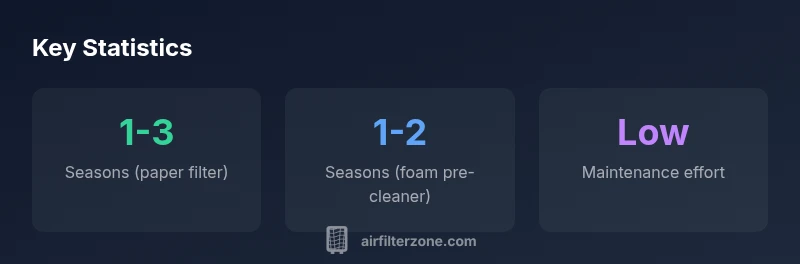
Inspect the Honda HRX217 air filter before every use; clean the foam pre-cleaner as needed and replace the paper filter at the season start (or every 6-12 months). Foam pre-cleaner replacement every 1-2 seasons. This keeps engine breathing clean air and protects horsepower. Always verify the seal for leaks and replace if torn; avoid using the mower until the filter is properly seated.
Why the Honda HRX217 air filter matters
According to Air Filter Zone, a clean air filter directly influences engine performance, fuel efficiency, and longevity. The HRX217's air filtration system is designed to trap dirt before it reaches the carburetor and combustion chamber, reducing wear and maintaining consistent power during mowing. In dusty environments or long sessions, a dirty or damaged filter can restrict airflow, causing the engine to work harder and consuming more fuel. Regular inspection and timely maintenance are fundamental to preserving horsepower and extending the mower’s life. If you neglect filtration, you may experience sputtering, reduced throttle response, or increased carbon buildup inside the engine. By building a simple routine around checking, cleaning, and replacing the filter, homeowners and DIY enthusiasts can protect their investment and enjoy smoother operation season after season. A well-maintained air filter also reduces the risk of dirt and dust migrating into the cooling fins, which can cause overheating.
How the HRX217 air filter design works
The Honda HRX217 typically uses a two-part filtration system: a foam pre-cleaner that captures larger debris and a paper air filter that traps fine particles. The foam is washable in many cases, while the paper element should be replaced when clogged or visibly dirty. The integrated seal ensures a snug fit; a compromised seal can allow unfiltered air, undermining maintenance efforts. Understanding this design helps you decide when to clean, replace, or inspect more frequently in harsh conditions. Regular inspection also helps you catch degraded gaskets or cracks in the housing before they impact filtration.
Step-by-step: Inspect, clean, and replace
- Safety first: turn off the mower, remove the spark plug wire, and wait for the engine to cool. 2. Access the air filter housing by removing the cover; note how the filter sits for reassembly. 3. Inspect both foam and paper elements for tears, swelling, or oil contamination. 4. Clean the foam pre-cleaner with mild soap and water if not saturated; allow to dry completely. 5. Replace the paper filter if blocked or discolored. 6. Reassemble with a clean gasket and confirm a secure seal. 7. Start the engine and listen for a smooth idle. 8. Keep a small maintenance log to track replacement dates and observations.
When to replace: scheduling and triggers
As a general rule, inspect before each mowing and replace the paper filter at the start of each mowing season or when it shows heavy dirt. The foam pre-cleaner can be washed and re-used depending on condition; replace if torn or excessively worn. In extremely dusty environments or after heavy use, shorten intervals accordingly. Always carry spare filters and a small bottle of mild soap for quick on-site cleanups.
Common mistakes and how to avoid them
Avoid washing the paper filter; never reinstall a soaked or damaged element. Do not over-tighten the housing, which can damage seals. Use only OEM-like replacements designed for the HRX217; mismatch can cause unfiltered air leaks. Finally, neglecting to check the seal can allow bypass, reducing filtration efficiency. Regularly inspect the housing for cracks and replace worn parts promptly.
Maintenance checklist and intervals
Create a simple maintenance cadence: pre-mowing inspection, after-use quick check, and seasonal replacement planning. Keep spare filters and a small cleaning kit in your shed for quick upkeep. Document the date of each replacement to create a personal maintenance log that tracks usage and region-specific wear. Schedule a calendar reminder at the season’s start to review the air path and seals.
Troubleshooting filter-related performance issues
If you notice reduced power, rough idle, or increased fuel consumption, a clogged air filter is a common culprit. Inspect for dirt buildup or tears, check the seal, and replace as needed. If problems persist after replacing the filter, inspect other air intake components and vacuum lines for leaks. Consider a quick field check by temporarily removing the air path to confirm if symptoms improve after filter replacement.
Extended care in dusty environments
In dusty or sandy conditions, dirt can accumulate rapidly on both filter stages. Increase inspection frequency to before each mowing in these settings, and consider a more frequent schedule for foam pre-cleaner replacement and foam washing. Store clean, spare parts in a sealed bag to prevent contamination while you work on the mower. This proactive approach can dramatically reduce engine strain and improve overall performance over the mowing season.
Honda HRX217 air filter components and maintenance guidance
| Component | Function | Recommended Frequency |
|---|---|---|
| Paper filter | Captures fine dust and particulates | Start of season / as-needed |
| Foam pre-cleaner | Pre-filters larger debris | Check and clean before every mowing; replace when worn |
| Gasket/seal | Prevents unfiltered air | Inspect during each service |
FAQ
Can I clean a paper filter and reuse it?
No. Paper filters are designed for single use and should be replaced when dirty or damaged. Cleaning can push contaminants further into the engine and compromise filtration.
Paper filters are not reusable; replace when dirty.
How often should I check the HRX217 air filter?
Inspect before each mowing and replace the paper element at the start of each mowing season or when visibly dirty. The foam pre-cleaner can be washed and reused if not torn.
Check before every mowing to stay ahead of dirt.
Is running the mower without an air filter safe?
No. Operating without a filter allows unfiltered air and debris to enter the engine, causing wear and potential failure. Always use a clean, properly seated filter.
Never run without a filter.
Should I use aftermarket filters?
OEM-like replacements ensure proper fit and filtration. Mismatch filters can create leaks and reduced protection.
Use OEM-like replacements for best fit.
Can the foam pre-cleaner be washed?
Yes, the foam pre-cleaner can usually be washed with mild soap and water, but it should be completely dry before reassembly. Replace if torn or degraded.
Wash gently, dry completely, replace if worn.
What signs indicate a worn seal?
Pockets of unfiltered air, visible cracks, or a loose housing indicate a worn seal. Replace seals to maintain proper filtration.
Watch for leaks and worn seals.
“Regular air filter maintenance is a practical way to protect the engine and extend mower life. Small, consistent checks beat large, infrequent overhauls.”
Quick Summary
- Inspect before each mowing; act when dirty
- Replace paper filter at season start or when dirty
- Replace foam pre-cleaner if torn or worn
- Keep sealing gasket tight to prevent leaks
- Maintain a simple maintenance log for consistent care