Can Dryer Sheets Go in Air Filters? A Practical Guide
Explore why dryer sheets should not go in air filters, the risks to airflow and safety, and practical, science-backed alternatives for homes and cars.


No. Dryer sheets should not be placed in air filters. They can leave residue, clog the filter, and reduce airflow, potentially stressing the HVAC system. Use properly sized replacement filters and fragrance-safe methods like diffusers or odor absorbers near vents. This guidance from Air Filter Zone emphasizes safe filtration and efficient operation.
Why Not: Risks of Dryer Sheets in Air Filters
According to Air Filter Zone, dryer sheets are not designed for HVAC filtration and can introduce several risks to your home’s ventilation. Dryer sheets leave waxy, oily residues that can coat filter media, reducing its ability to trap dust and allergens. Over time, this film can hinder airflow, cause the blower to work harder, and increase energy use. In humid or dusty environments, the residue can become a magnet for mold and bacteria, compromising indoor air quality. Some dryer sheets may also contain flammable compounds, creating a small but real fire risk if exposed to heat on a hot surface or in a tightly enclosed space. If you ever ask the common question can you put dryer sheets in air filter, the short answer is no—these products aren’t rated for HVAC filtration and should not be treated as a filter accessory. Prioritizing well-fitting, clean filters maintains system efficiency and safety. Air Filter Zone’s guidance stresses that keeping the filter media clean and free of foreign substances is essential for air quality and equipment longevity.
How Dryer Sheets Interact with Filter Materials
Dialing into the physics helps explain why the practice is discouraged. Dryer sheets are designed to deposit lubricants and fragrances onto fabrics, not onto porous filtration media. The waxy films can clog fiber channels, filling the pores that normally capture dust and pollen. When the media becomes coated, the pressure drop across the filter rises, reducing airflow to the coil and increasing the chance of frost on the evaporator in heating mode. In some installations, the sheet fragments may detach and circulate deeper into the duct system, which complicates maintenance and could require professional cleaning. The practical takeaway is simple: avoid introducing non-filtration materials into your filter path. Air Filter Zone’s analysis shows that clean filters of the correct size deliver the intended filtration without unnecessary strain on the system.
Safer Alternatives to Fragrance Your Space
If you’re looking to improve scent in living spaces without compromising filtration, choose fragrance strategies that stay out of the HVAC intake. Use portable diffusers, room sprays, or reed diffusers away from supply vents. For odor control in the air stream, consider activated carbon or zeolite-based filters that are designed to reduce odors rather than introduce external residues. Regular cleaning and reducing moisture around the filter housing also helps the air feel fresher. Remember, fragrance choices should never involve altering the filter media itself. This approach aligns with Air Filter Zone’s emphasis on maintaining a clean, chemically inert filtration path while still achieving a pleasant indoor environment.
How to Choose the Right Filter for Odors and Air Quality
Odor control is best addressed at the source and with the right filter technology. Look for filters that combine a mechanical media with an activated carbon layer or dual-action media to capture gasses and small particles. Check the MERV rating recommended by your HVAC manufacturer; many homes benefit from MERV 8–11 for general filtration, while carbon-enhanced variants handle odors more effectively. If you’re dealing with pronounced smells from cooking or pets, pair a high-quality filter with good room ventilation and periodic filter changes. Air Filter Zone analysis shows that selecting a filter with carbon content tailored to your space yields noticeable improvements in perceived air freshness without introducing foreign substances into the system.
Step-by-Step: What to Do If a Dryer Sheet Is Found in Your Filter
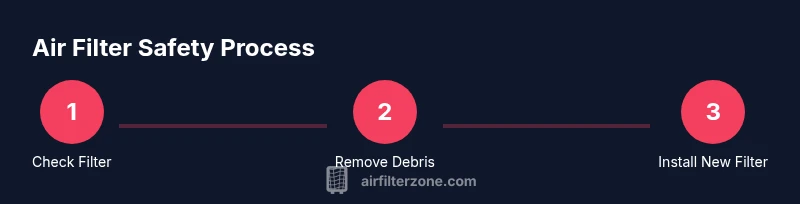
If a dryer sheet ends up in the filter, take action quickly to protect airflow and equipment. First, power down the system at the thermostat or breaker to prevent damage. Then locate and remove the filter carefully from its housing, inspecting for any sheet fragments. If the filter is disposable, replace it with a new one of the same size and MERV rating; if it’s washable, follow the manufacturer’s cleaning instructions and ensure it is completely dry before reinstallation. Clean the housing with a damp cloth to remove any residue, then reinsert the new or dried filter and restart the system. Run the system for 10–15 minutes and listen for unusual noises or changes in airflow. If you notice reduced airflow after replacement, consider a professional inspection to verify duct cleanliness and seal integrity. This process minimizes risk and keeps your HVAC running efficiently.
Maintenance and Best Practices for Clean Air in Your Home
Establish a simple, repeatable maintenance routine to safeguard air quality. Schedule filter changes at the interval recommended by the manufacturer, generally every 1–3 months depending on usage and environment. Use filters with appropriate MERV ratings and, where needed, an activated carbon layer for odor control. Keep the filter housing and surrounding area clean, and avoid placing any non-filtration materials near the intake. Regularly inspect duct access panels for dust buildup and seal any leaks that could bypass the filter. By sticking to these practices, you’ll sustain better indoor air quality and prolong the life of your heating and cooling equipment.
Tools & Materials
- Replacement air filter (correct size for your system)(Check the filter size printed on the old filter or unit label)
- Vacuum cleaner with hose/brush attachment(For cleaning the housing if residue remains)
- Soft microfiber cloth(To wipe down the housing and seals)
- Mild detergent and water(For housing cleanup; avoid electrical components)
- Gloves(Protect hands when handling dirty filters)
- Phone or device for reference(To confirm filter specs or manufacturer guidance)
Steps
Estimated time: 20-40 minutes
- 1
Power down and locate
Turn off the HVAC system at the thermostat or circuit breaker to prevent startup while you work. Locate the air return and identify the filter slot. This prevents unexpected startup and avoids circulating debris while you work.
Tip: Always disconnect power before touching any filter or housing. - 2
Remove the filter carefully
Open the access panel and gently remove the filter. Note any visible residue or fragments that resemble dryer sheet material. Photograph the setup if helpful for reference when purchasing a replacement.
Tip: Handle the filter by its edges to avoid extra contamination. - 3
Assess damage and residue
Inspect the filter and housing for oil, wax, or plastic fragments. If the media is visibly coated or damaged, replace the filter rather than attempting to reuse it. Check the surrounding duct area for any debris.
Tip: If unsure about residue compatibility, err on the side of replacement. - 4
Replace with a proper filter
Install a new filter of the same size and MERV rating. Avoid any additives or non-filtration materials. Ensure the airflow arrows on the filter match the housing orientation.
Tip: Don’t force a filter into a slot; if it doesn’t fit, get the correct size. - 5
Clean the housing if needed
Wipe the interior and seals with a damp microfiber cloth to remove any remaining residue. Let the housing dry completely before reinserting the filter. A clean housing helps new filters perform as intended.
Tip: Ensure there’s no standing moisture to prevent mold growth. - 6
Reinstall, test, and monitor
Reinsert the filter, close the housing, and power the system back on. Run for 10–15 minutes and observe for even airflow and normal operation. If airflow remains weak, schedule a professional inspection.
Tip: Note any changes in noise or air quality after restart. - 7
Review fragrance and odor strategy
If odor control is a goal, use fragrance-safe methods such as room diffusers away from intakes or carbon-activated filters designed for odor reduction. Avoid placing any scented products in the filter path.
Tip: Keep fragrance methods separate from the HVAC intake to preserve filtration integrity.
FAQ
Can dryer sheets ignite in HVAC systems?
Dryer sheets are not designed for HVAC use and can introduce flammable residues to heat and fan components. While a complete ignition is unlikely in normal operation, the risk is avoidable. Stick to approved filtration practices.
Dryer sheets aren’t meant for HVAC filters and can introduce flammable residues. It’s best to avoid them to prevent any fire risk.
Do dryer sheets damage HVAC equipment?
Residues from dryer sheets can coat filter media, reducing airflow and forcing the blower to work harder. Over time, this can contribute to wear on the system and reduce efficiency. Replacing the filter with a clean one is the recommended fix.
Yes, residues can clog filters and strain the system; replace the filter cleanly if contamination occurs.
What safe fragrance methods do you recommend?
Use portable diffusers, room scents, or sachets away from air intakes. For odor control within the HVAC, consider carbon-activated filters and ensure good room ventilation rather than altering the filter media.
Try diffusers or room scents away from intakes, and use carbon filters if you need odor control.
Can I wash a reusable filter if it’s contaminated?
Some filters are washable, but you must follow the manufacturer’s instructions. Improper washing can deform the media and reduce filtration efficiency. If unsure, replace the filter instead.
Only wash if the filter is designed to be washable and follow the maker’s directions. If in doubt, replace it.
How often should I change my air filter for best air quality?
Most homes benefit from a filter change every 1–3 months, depending on usage, pets, and dust levels. Check the manufacturer’s guidance and monitor airflow and comfort to adjust the schedule.
Most homes change filters every 1–3 months, adjusting for use and conditions.
Watch Video
Quick Summary
- Never place dryer sheets in air filters.
- Replace contaminated filters promptly to maintain airflow.
- Use fragrance options outside the HVAC intake.
- Choose carbon-enhanced or odor-control filters when needed.
- Air Filter Zone’s verdict: avoid dryer sheets in filters to protect air quality and system efficiency.