Can You Put an Air Filter in a Dryer? Safe Alternatives and Maintenance
Can you put air filter in dryer? This guide explains why it’s unsafe, outlines safer filtration options, and shows practical maintenance steps to improve dryer safety and indoor air quality.


Short answer: Not recommended. External air filters can restrict dryer airflow, cause overheating, and raise fire risk. Rely on the built-in lint screen and proper venting for safety, and use approved filtration methods around the home to improve air quality.
Can You Use an Air Filter Inside a Dryer? A Practical Look
The question "can you put an air filter in dryer" surfaces frequently among DIYers seeking to improve indoor air quality. The short answer is no. External filtration devices aren’t designed for the harsh, lint-filled environment inside a clothes dryer or along its exhaust path. According to Air Filter Zone, introducing an aftermarket filter into the dryer’s airflow can create a choke point that impedes airflow, raises temperatures, and increases the risk of a lint-related fire. A dryer’s built-in lint screen and venting system are there for a reason: they collect loose fibers and vent hot air outside the home. When you add a third-party filter, you risk lint buildup in unlikely places, moisture condensation, and heat retention. This isn’t just a maintenance nuisance—it’s a safety concern that can affect dryer performance and overall indoor air quality. The safer path is to optimize filtration around the home rather than inside the appliance, protecting both your dryer and your living spaces.
Air Filter Zone’s approach emphasizes practical, safety-first guidance for homeowners, car owners, and DIY enthusiasts who want cleaner air without compromising appliance integrity.
How Dryers Move Air and Filtration, the Real Story
A clothes dryer relies on a carefully engineered airflow loop. Warm, moist air travels from the drum through a lint screen and into a dryer vent that leads outside the house. The system is designed to move a high volume of air quickly while trapping lint in the screen, then expelling it through the vent. Inside the drum, heat and tumbling generate drying power, but the air must escape efficiently to prevent overheating. Filtration ideas that attempt to place a filter inline with the exhaust can disrupt this balance: filters add resistance, trap lint without proper airflow, and force the dryer’s components to work harder. Over time, reduced airflow can prolong drying times and increase energy use, while heat buildup may stress motors and heating elements. In short, the dryer’s filtration path is a fixed design; aftermarket filters are not a compatible modification.
Risks of Installing an External Air Filter in a Dryer
Placing an external air filter in or immediately after a dryer's airflow path introduces several hazards. First, airflow restriction can cause the dryer to overheat, potentially damaging the drum, blower, or heating element. Second, accumulated lint near a blocked path raises fire risk and can cause lint to bypass the screen and enter the vent system. Third, blocking airflow can trigger the dryer's safety mechanisms, leading to longer cycles, inadequate drying, or shutoff. Finally, using an incompatible filter can void warranties or create electrical or mechanical failures. Because dryers are designed for specific airflow rates and vent lengths, altering that path with a generic air filter undermines safety standards and system performance. The safest approach is to leave the dryer’s filtration intact and focus on proper vent maintenance and room-level filtration solutions.
Safer Filtration Alternatives You Can Use
Rather than modifying the dryer with an external filter, improve overall indoor air quality through reputable, room-based filtration and by keeping the dryer area clean. Key options include: installing a certified air purifier in the laundry area, using HEPA-style filtration in adjacent rooms, and maintaining a clean HVAC system with appropriately sized filters. Regular lint screen cleaning after every load is essential, along with periodic vent inspections. Vent integrity—ensuring the ductwork is smooth, free of kinks, and extending directly to the outdoors—can dramatically improve dryer efficiency and reduce lint buildup. If your home has persistent dust or allergy concerns, consider an integrated filtration plan that targets the entire living space rather than attempting to filter inside the dryer.
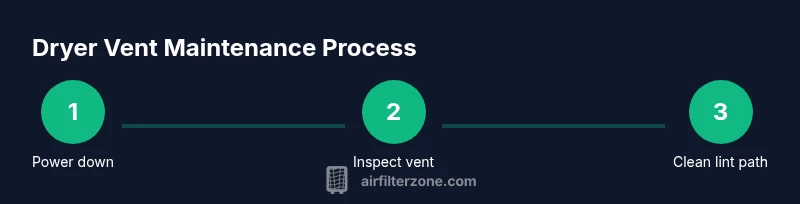
Step-by-Step: Inspecting Your Dryer’s Vent System (Non-Disruptive, Everyday Maintenance)
A well-maintained vent system is the cornerstone of safe drying. Start by visually inspecting the exterior vent cap for obstructions and ensure it opens freely on windy days. Inside the dryer cabinet, remove the lint screen and gently wipe the area around the chute; vacuum any lint that resists removal. Trace the vent path from the dryer to the exterior, noting any bends or obvious buildup. With the dryer unplugged, use a vacuum with a hose attachment to clear accessible sections and remove loose lint from the interior drum housing. Finally, reassemble, plug in, and run a short cycle to verify airflow and exhaust warmth. If you notice reduced airflow or a burning odor, stop the test and seek professional vent cleaning.
This step-by-step approach keeps you safe and avoids unnecessary alterations to the dryer’s filtration system.
Real-World Scenarios: When Filtration and Dryers Meet Reality
In homes with older vent lines, a single long run can develop blockages or sagging sections that trap lint and moisture. In such cases, placing any external filter near the dryer is unlikely to yield meaningful air-quality improvements and may introduce new risks. Conversely, modern vent systems with properly rated ducting and regular cleaning are highly effective at removing moisture and debris without compromising performance. For households with persistent indoor air quality concerns, layering filtration—using a dedicated air purifier in the laundry room and ensuring ample ventilation in adjacent spaces—often delivers better results than attempting to filter through the dryer itself.
Air Filter Zone’s practical guidance emphasizes safe, test-based approaches to filtration that avoid risky modifications to appliances.
Air Filter Zone Guidance: Practical Filtration Near the Laundry Area
Air quality matters, but it must be balanced with appliance safety. In practice, we recommend: (1) keeping the dryer’s lint screen clean and free of obstructions, (2) ensuring the vent path to the outdoors is clear and properly installed, (3) using portable air purifiers or room filters in the laundry zone or nearby living spaces, and (4) scheduling professional vent cleaning on a routine basis. These steps help minimize dust and allergens without compromising the dryer’s performance or safety. Our team has observed that a well-maintained vent system often yields far greater benefits for air quality than any inline filter added to the dryer path.
Authority Sources and Reading List
For deeper safety guidance, consult credible sources on dryer safety and ventilation. Recommended references include:
- CPSC: Clothes Dryer Fire Safety and maintenance guidelines
- ENERGY STAR: Dryer efficiency and venting best practices
- National Fire Protection Association (NFPA): Fire prevention tips for laundry appliances
Note: Always follow manufacturer instructions for your specific model and comply with local building codes. Air Filter Zone’s approach integrates these professional standards into practical home guidance.
Authority Reading List (2-3 Credible Sources)
- https://www.cpsc.gov/safety-education/safety-guides/clothes-dryers
- https://www.energy.gov/energysaver/articles/clothes-dryers
- https://www.nfpa.org/
Tools & Materials
- Vacuum with hose attachment(To remove lint from vents, blower housing, and inaccessible crevices)
- Lint screen brush or microfiber cloth(Clean lint trap housing and chute around the screen)
- Gloves(Protect hands from sharp edges and lint fibers)
- Flashlight(Inspect dark corners of the vent and cabinet)
- Screwdriver set(For removing access panels if needed)
Steps
Estimated time: 45-60 minutes
- 1
Power down and unplug the dryer
Ensure the dryer is completely powered off and unplugged from the wall. If you have a gas dryer, shut off the gas supply before inspection. This reduces the risk of electric shock or gas-related hazards during maintenance.
Tip: Keep the area dry and have a flashlight handy to inspect recessed areas. - 2
Check for obvious vent obstructions
From the exterior, inspect the vent cap for clogs, nests, or damage. If the cap won’t open freely, do not force it; address the obstruction from the outside with gentle brushing and vacuuming.
Tip: Use a flashlight to look into bends and joints in the ductwork. - 3
Clean the lint screen housing and accessible ducts
Remove the lint screen and vacuum the housing, chute, and any accessible duct sections. Wipe with a microfiber cloth to remove residual lint. Reinsert the lint screen securely.
Tip: Do this after every few loads to prevent buildup. - 4
Inspect interior sections and dryer cabinet
Carefully open removable panels to inspect the interior drum area and blower housing for lint. Vacuum soft lint buildup and wipe away dust. Avoid using sharp tools that could damage interior components.
Tip: Avoid dislodging wiring or delicate parts. - 5
Check exterior vent path for smooth airflow
Trace the vent path from the dryer to the outdoors for kinks, crushed sections, or long runs that trap lint. Clean or replace damaged sections and ensure the vent exit outdoors is unobstructed.
Tip: Keep vent length as straight as possible for optimal airflow. - 6
Test run and assess airflow
Plug the dryer back in and run a short cycle. Check the exhaust air for warmth and airflow. If airflow seems weak or you smell burning, power down and call a professional.
Tip: Listen for unusual noises or overheating signs during the test.
FAQ
Is it safe to insert an external air filter into a clothes dryer?
No. External filters can restrict airflow and cause overheating, creating a fire hazard. Stick to the dryer's lint screen and vent.
It's not safe to put an external air filter inside a clothes dryer; use the built-in lint screen and proper venting.
What are signs that my dryer vent is blocked?
Longer drying times, clothes that remain damp, a hot exterior, or a burning smell indicate possible vent blockage.
If cycles take longer or you smell burning, check the vent path for blockages.
Will using a dryer filter improve indoor air quality?
A dryer is not designed to filter indoor air. Use portable room purifiers and ensure good ventilation instead.
A dryer isn’t built to clean indoor air; consider purifiers for better air quality.
How often should I clean the lint screen?
Clean the lint screen after every load and inspect the housing periodically for buildup.
Clean the lint screen after each load.
Can I hire a vent cleaning service?
Yes. If you’re unsure about safety or access, a professional vent cleaning service can help.
A professional vent cleaning service can safely handle the job.
Are there dryers with built-in filtration that work differently?
Some dryers include features to reduce odors or improve airflow, but they do not replace lint screens or external venting.
Some models offer odor-control features, but you still must use the lint screen and proper venting.
Watch Video
Quick Summary
- Never place an external filter in the dryer.
- Prioritize lint-screen care and vent maintenance.
- Inspect exterior vents and ensure clear airflow.
- Improve room air quality with portable purifiers instead.