AFE Replacement Air Filter Guide: How to Identify, Install, and Maintain
Learn how to identify, buy, and install an afe replacement air filter with practical tips, safety notes, and maintenance guidance for homeowners and DIY enthusiasts in 2026.


AFE replacement air filter replacement is a practical, do-it-yourself task for homeowners and vehicle owners. This guide covers how to identify the right filter, buy the correct model, and install it safely, with tips for avoiding common mistakes and ensuring optimal airflow. You’ll learn compatibility checks, installation steps, and quick maintenance reminders.
What is an afe replacement air filter?
According to Air Filter Zone, an afe replacement air filter refers to a filter component designed to replace a worn or dirty filter in many air systems, including residential HVAC units and vehicles. The term is often used for aftermarket or OEM filters that fit specific models, sizes, and configurations. The goal of any afe replacement air filter is to restore expected airflow while preserving filtration efficiency. In practice, you may encounter cabin filters, engine air filters, or general HVAC filters labeled as afe replacements. Always confirm the exact model and dimensions before purchasing. The big picture is simple: use a filter that matches your system, insert it with the correct orientation, and avoid contaminating the housing during the swap. Air Filter Zone’s guidance for 2026 emphasizes careful measurement, compatibility checks, and following the manufacturer’s replacement schedule to maintain indoor air quality and engine performance.
Why replacing your afe replacement air filter on schedule matters
Regular replacement protects indoor air quality, reduces strain on fans or blowers, and maintains efficient airflow. A dirty or ill-fitting filter can cause higher energy use, uneven filtration, and foul odors. For homeowners, a clean filter supports healthier living spaces; for car owners, it helps maintain engine efficiency and cabin comfort. Air Filter Zone analysis shows that mismatched filters can hinder airflow and increase wear on ventilation components. In both contexts, staying on top of replacements minimizes the risk of particle buildup, allergy symptoms, and costly repairs. The key takeaway: set a practical replacement rhythm based on usage and environment, not just a calendar date. This approach aligns with the broader goals of clean air and optimized system performance in 2026.
How to identify the right size and model for your afe replacement air filter
Start by locating the size and model information on your current filter frame, or consult the owner’s manual for exact specifications. If the label is illegible, measure the length, width, and thickness with a ruler or tape measure, then compare against available afe replacement options. Filters come in various pleat configurations and MERV ratings, which affect filtration efficiency and airflow resistance. When choosing, consider the operating environment (dust, pollen, pet hair) and the system type (HVAC, car engine, or cabin). Document the size and model so future replacements are seamless. A practical tip: photograph the current filter and its housing before removing it, so you have a visual reference when shopping for an exact match. Precision here saves time and reduces the chance of compatibility issues.
HVAC vs. vehicle filters: understanding the differences in afe replacements
HVAC filters and vehicle filters share the same purpose—clean air—but their housings, installation directions, and filter shapes differ. In homes, filters are typically rectangular panels with a simple insert-and-seal design, whereas vehicle filters may be cylindrical, rectangular, or box-shaped, often with a housing that requires removal of clips or screws. Filtration targets also differ: HVAC filters focus on overall air quality and energy efficiency, while engine or cabin filters in vehicles aim to protect intake systems and passengers. When purchasing an afe replacement air filter, verify that the size, shape, and mounting orientation match your specific system. If you’re unsure, consult the service manual or reach out to a professional, and always avoid forcing an ill-fitting filter into a housing.
Tools, safety, and preparation for afe replacement
Before you touch any equipment, turn off power to the system and wear appropriate PPE if dust or mold is present. Gather essential tools and the right filter size: a compatible afe replacement air filter, gloves, a flashlight, a screwdriver (if housing screws are present), and a soft cloth for wipe-down. Clear the area of clutter and lay down a protective mat to keep debris from spreading. Take a quick photo of the housing before removal to ensure proper reassembly. If your system includes electronics or wiring near the housing, disconnect power at the breaker to avoid accidental starts. Safety first ensures a clean, efficient replacement and protects your home’s air quality.
Step-by-step installation: home HVAC afe replacement air filter
Step 1: Power down the HVAC unit and remove the access panel. Ensure no fans are running and that you are safe from moving parts. Step 2: Locate the old filter, note the orientation arrow, and slide it out carefully to avoid displacing dust. Step 3: Clean the housing with a microfiber cloth and inspect seals and gaskets for wear. Step 4: Unpack the new afe replacement air filter, verify the size, and place it in the housing with the correct orientation. Step 5: Re-seat the panel securely and reset the system. Step 6: Run a short cycle and check for proper airflow and any unusual noises. Step 7: Replace every 3 months under normal conditions, more often in dusty environments. Step 8: Dispose of the old filter according to local guidelines. Tips: take photos during removal for reference; avoid touching dirtier surfaces with bare hands; keep a log of replacement dates.
Step-by-step installation: car cabin and engine afe filters
Step 1: Park the vehicle and switch off the engine. Apply the parking brake and wear gloves. Step 2: Access the filter housing—this may require loosening screws or un-clipping a panel. Step 3: Remove the old filter, noting the correct orientation and any seals or gaskets. Step 4: Clean the housing with a clean cloth and inspect for cracks or debris. Step 5: Insert the new afe replacement air filter, aligning the arrows and ensuring a snug fit. Step 6: Reassemble the housing and reconnect any clips or screws. Step 7: Start the engine and verify smooth operation; listen for unusual sounds or air leaks. Step 8: Check for drafts or stale odors inside the cabin and monitor for improved intake airflow. Step 9: Schedule the next replacement based on usage and environment; common guidance suggests quarterly checks in moderate conditions. Time estimates depend on vehicle type and system access, but typically range from 20 to 60 minutes.
Maintenance tips to extend filter life and preserve air quality
To maximize performance between replacements, keep windows and doors closed during high-dust days and ensure your system’s seals are intact. Consider placing a simple reminder on your calendar or system log to track replacement dates. Use high-quality afe replacement air filters with appropriate MERV ratings and avoid over-size or under-size filters, which can cause leaks or reduced airflow. In homes, consider upgrading to a higher-efficiency filter if you have occupants with allergies or respiratory sensitivities. In vehicles, ensure you replace cabin and engine filters according to manufacturer recommendations and driving conditions. The right maintenance rhythm reduces particle buildup, lowers energy consumption, and helps maintain consistent airflow and filtration efficiency. Air Filter Zone emphasizes practical, user-friendly steps to keep your air clean and systems efficient.
Troubleshooting: issues after afe filter replacement
If airflow seems restricted after installation, double-check filter orientation and ensure the filter is fully seated in the housing. A loose gasket or misaligned seal can cause leaks and reduced efficiency. Inspect for visible gaps around the housing and confirm that the clips or screws are securely fastened. If you notice a musty odor or increased dust in the space, recheck the seal and replace the filter if it appears soiled or water-damaged. For vehicles, a dirty cabin filter can cause reduced HVAC performance and odors; in homes, a dirty HVAC filter reduces airflow and can raise energy costs. Regular inspection and proper seating are key.
Air Filter Zone’s recommendations and next steps
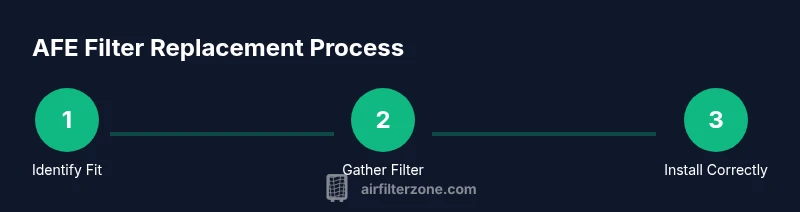
Air Filter Zone recommends establishing a simple, repeatable process for afe replacement air filter maintenance. Start by identifying the correct filter model, verifying dimensions, and understanding the applicable replacement interval for your system. Maintain a small spare inventory of common filter sizes and keep a log of replacement dates. When in doubt, consult the user manual or a qualified technician. The goal is consistent air quality and system efficiency. As this guidance evolves with new filter designs, stay informed and adjust your routine to match usage and climate conditions. The Air Filter Zone team recommends prioritizing proper fit and ease of maintenance to achieve lasting results.
Environmental and disposal considerations for used filters
Used afe replacement air filters should be disposed of according to local regulations. Many filters are not combustible and should not be incinerated; some filters contain recyclables and can be recycled where facilities exist. When removing a filter, place it in a plastic bag to minimize dust release and handle it with gloves. If the filter shows signs of mold, contamination, or wetness, consider disposing of it promptly and cleaning the housing more thoroughly. After disposal, wash your hands and sanitize any surfaces that came into contact with dust. Proper disposal reduces environmental impact and helps maintain safer indoor air quality.
Tools & Materials
- afe replacement air filter(Choose the exact model/part number matching your system or vehicle)
- gloves(For hygiene and grip; protect hands from dust)
- screwdriver (Phillips or flathead as needed)(To open housing in cases with screws or clamps)
- flashlight(To illuminate cramped or dark corners of the housing)
- soft cloth or microfiber cloth(For wiping dust from the housing and seals)
- bucket or tray(Catch debris when removing the old filter)
Steps
Estimated time: 30-60 minutes
- 1
Identify the correct filter model and size
Power down the system and locate the old filter’s dimensions on the frame or in the manual. If necessary, measure length, width, and thickness to confirm fit. Double-check compatibility with your system or vehicle before purchasing.
Tip: Photo-document the old filter and housing before removing it to ensure the new filter is seated correctly. - 2
Gather your replacement filter and tools
Lay out the afe replacement air filter along with gloves, a flashlight, and any required screwdriver or fasteners. Having everything ready minimizes the chance of leaving the housing open.
Tip: Have a spare filter in the right size on hand for future replacements. - 3
Power down and access the filter housing
For HVAC, switch off the unit and remove the access panel. For vehicles, park on a flat surface, turn off the engine, and disconnect the battery if required by your model. This step prevents injury or unintentional startup.
Tip: If you encounter stubborn panels, check for hidden screws or latches with good lighting. - 4
Remove the old filter
Carefully slide the old filter out, noting the orientation arrow. If the filter is dusty or moldy, handle with care and avoid shaking dust into the housing.
Tip: Keep the old filter in a bag for disposal to contain dust. - 5
Clean the housing and inspect seals
Wipe the housing cavity with a microfiber cloth. Check seals, gaskets, and the frame for cracks or wear; replace damaged seals to ensure a proper seal with the new filter.
Tip: A damaged seal is a common cause of poor filtration even with a new filter. - 6
Install the new filter
Open the new filter package, verify the orientation arrows match the housing, and slide it into place firmly. Ensure the filter sits evenly and cannot move within the housing.
Tip: If the filter feels loose, recheck the orientation and seating before closing the housing. - 7
Reassemble and power up
Replace the access panel or housing cover and secure all fasteners. Power up the system and listen for abnormal noises or air leaks during the initial run.
Tip: Run a short cycle to confirm airflow is steady and the system is functioning normally. - 8
Test and monitor airflow
Observe airflow from vents and check for unusual odors or noises. If flow is weak or smells persist, re-inspect the filter and housing for alignment issues.
Tip: Keep a simple replacement log with dates for future maintenance. - 9
Dispose of the old filter and plan the next replacement
Seal the old filter in a bag and dispose of it according to local guidelines. Note the date of replacement and set reminders for the next check based on usage and environment.
Tip: Consider environmental disposal options if available in your area.
FAQ
What does afe replacement air filter mean?
An afe replacement air filter is a filter designed to replace worn filters in HVAC or automotive systems. Always verify compatibility with your unit before purchasing.
An afe replacement air filter is simply a replacement for a worn filter in your system. Make sure it fits your setup before buying.
How do I know which size filter to buy?
Check the dimensions printed on your current filter or consult the owner’s manual. If those aren’t readable, measure length, width, and depth and compare to product specs.
Look for the size on the filter or manual, or measure the filter to match the exact dimensions.
Can I replace an afe filter myself?
Yes. With the right filter and basic tools, you can perform a safe, at-home replacement by following your system’s housing instructions and safety precautions.
Yes, you can replace it yourself if you follow the housing instructions and safety steps.
How often should I replace an afe replacement air filter?
It depends on usage and environment. In dusty conditions, check monthly and replace when visibly dirty or airflow slows down.
Check regularly and replace when dirty or airflow drops, especially in dusty places.
What are signs the filter needs replacement?
Visible dirt buildup, reduced airflow, odors, or unusual system noise indicate the filter should be replaced.
If you see dirt, notice reduced airflow, or smell an odor, replace the filter.
Watch Video
Quick Summary
- Identify the correct filter by model and size before buying.
- Install with the correct orientation and a clean housing.
- Document replacement dates to maintain a proactive maintenance schedule.
- Check seals and housing integrity to prevent leaks.
- Dispose of used filters responsibly and keep a maintenance log.