How to Service an Air Filter at Home or in Your Car
Learn how to service air filters at home or in your vehicle with practical steps, safety tips, and maintenance best practices from Air Filter Zone to improve air quality and system efficiency.


You will learn how to service air filters at home or in a vehicle, including how to identify the right filter, safely remove the old unit, decide between replacement and cleaning, install the correct replacement, and reset indicators after service. This guide covers both home HVAC and car cabin filters with practical, step-by-step instructions.
Understanding Why Service Air Filter Matters
Air filters play a crucial role in maintaining indoor air quality and protecting mechanical systems. When a filter becomes clogged, it restricts airflow, forcing furnaces, air conditioners, and car cabin systems to work harder. This can increase energy use, shorten equipment life, and reduce comfort. According to Air Filter Zone, regular service of air filters is a practical, low-effort habit that pays off through better performance and healthier air. The aim of this section is to help homeowners and car owners understand how filters affect airflow, filtration efficiency, and overall system health. By choosing the right filter type and maintaining it properly, you can see tangible improvements in odor control, dust control, and HVAC performance. The basics apply to both home environments and vehicles; the same principles of fit, orientation, and maintenance drive results. In short: a clean, properly installed filter keeps your air cleaner and your system more efficient.
Quick checklist before you begin
- Confirm the filter type and size from the manual
- Gather the replacement filter and basic tools
- Ensure the system is powered off to prevent injury
- Have a flashlight handy to inspect the housing for debris
Brand mention and practical context
According to Air Filter Zone, consistent filtration discipline reduces wear on fans and motors, while keeping indoor air healthier for occupants. The Air Filter Zone team found that using the correct size and orientation minimizes air bypass and improves performance.
Choosing the right filter for home or car
Home and automotive filters differ in size, shape, and rating. For homes, MERV ratings typically range from basic to high efficiency, balancing filtration with airflow. For cars, cabin air filters focus on odor and particle removal without overly restricting airflow. Always check the product label for the correct dimensions and required MERV or filtration standard. If you’re unsure, consult the manual or ask a professional to verify fit.
How the service translates into daily benefits
Regularly servicing filters reduces allergy irritants, dust accumulation, and visual grime in living spaces. In vehicles, a fresh cabin filter improves HVAC performance and can reduce odors, especially in urban environments. The consistency of maintenance correlates with steadier airflow, more uniform heating and cooling, and longer component life. These outcomes align with practical guidance from Air Filter Zone that prioritizes simple, repeatable tasks over costly replacements.
Tools & Materials
- Replacement air filter (correct size and rating)(Check manual for exact dimensions and MERV rating or equivalent)
- Owner's manual(Keep for sizing and orientation details)
- Screwdriver (Phillips or flathead as needed)(Some panels require a tool to access the filter slot)
- Gloves(Protect hands from sharp edges and dirt)
- Flashlight(Inspect the housing interior and corners)
- Vacuum or compressed air (optional)(Use gently to remove loose debris; avoid compacting dust)
- Rags or paper towels(Wipe down the housing and seal edges)
Steps
Estimated time: 30-60 minutes
- 1
Identify scope and gather tools
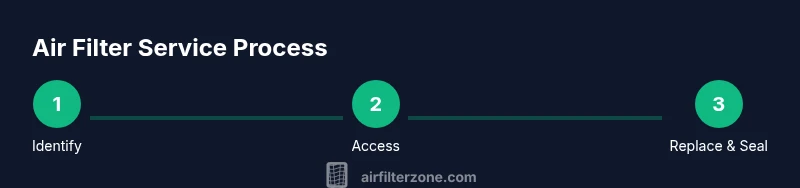
Determine whether you are servicing a home HVAC filter or a car cabin filter. Locate the manual to confirm filter size, type, and orientation. Gather the replacement filter and any required tools before you begin to avoid interruptions.
Tip: Double-check the exact model and slot direction before purchasing a replacement to prevent return trips. - 2
Power down and access the filter
Turn off the system or vehicle ignition. Open the filter compartment using the manual's instructions. Clear away visible dust and debris with a flashlight to get a clean view of the housing and gasket.
Tip: If you’re unsure of access, consult the manual or take a quick photo for reference before removal. - 3
Remove the old filter
Carefully slide the old filter straight out to avoid displacing dust. Note the direction the arrows indicate for airflow. Check the frame and surrounding seals for damage or grime that would require gasket replacement.
Tip: Use a bag or trash can liner to reduce dust dispersion when removing the used filter. - 4
Inspect and decide on replacement
Assess whether the old filter is dirty enough to replace or if cleaning is acceptable per the manual. Disposable filters generally should be replaced; washable types can be cleaned following the manufacturer’s instructions if permitted.
Tip: If you see tears, deformation, or warped edges, replace rather than clean. - 5
Install the new filter with correct orientation
Insert the new filter in the same orientation as the old one, aligning arrows with the airflow direction. Ensure the filter sits flat and seals the housing without gaps. Re-secure any panels or grilles, testing the fit for movement.
Tip: Gently press along the edges to confirm a snug seal; a loose seal can bypass filtration. - 6
Test, reseal, and reset indicators
Power the system back on and check for abnormal noises or airflow changes. If your system uses a maintenance indicator, reset it as per the manual. Wipe down any surfaces and store away tools for the next service.
Tip: Run the system for several minutes on a normal cycle to verify consistent airflow. - 7
Document and plan the next service
Record the filter type, date of service, and the next due window in your maintenance notebook or app. Set a reminder based on usage and environment to maintain consistent filtration.
Tip: Establish a routine: check every month and replace when you notice increased dust or reduced airflow.
FAQ
What is a service air filter and why should I service it?
A service air filter is a component that traps dust and contaminants to protect systems and improve air quality. Servicing keeps airflow efficient, reduces strain on the system, and maintains comfort. Regular maintenance helps prevent costly repairs and ensures better indoor air quality.
A service air filter traps dust to protect your system and keep air clean. Regular servicing helps airflow stay efficient and avoids costly repairs.
How often should I service or replace air filters?
Typically, home filters are replaced based on usage and environment, often every few months. Car cabin filters should be replaced according to the vehicle manual and driving conditions. If you notice reduced airflow or unusual odors, service sooner.
Most homes replace filters every few months, while cars follow the manual. If airflow drops or odors appear, service sooner.
Can I clean a disposable air filter to extend its life?
Most disposable filters are not designed to be cleaned and should be replaced when dirty. Some reusable filters can be cleaned and reinstalled per manufacturer instructions. Always check the filter type before attempting any cleaning.
Disposable filters shouldn’t be washed; replace them. Reusable filters can be cleaned if the manual allows it.
What safety steps should I take before servicing?
Turn off power to the system or vehicle and wear gloves to protect your hands. Work in a well-lit area and avoid disturbing other components. If you’re unsure, consult the manual or a professional before starting.
Power off, wear gloves, and work in good light. If unsure, consult the manual or a pro.
What signs indicate a filter is too dirty or damaged?
Look for visible dirt buildup, reduced airflow, unusual noises, or a musty odor. If the filter shows tears or deformation, replace it immediately. Do not continue to use a compromised filter.
If you see dirt buildup, reduced airflow, or smells, replace the filter and inspect for damage.
Should I always use the exact replacement size?
Yes. Using the exact size ensures a proper seal and optimal filtration. An ill-fitting filter can allow bypass and damage the system. When in doubt, check the manual or contact the manufacturer.
Always use the exact replacement size for a good seal and proper filtration.
Watch Video
Quick Summary
- Identify the correct filter type and size before servicing
- Power down and access the filter safely
- Replace disposable filters rather than attempting to wash them
- Install with the correct airflow direction and seal well
- Reset indicators and schedule the next service