How to Clean an Air Filter: A Practical Guide for 2026
Learn how to clean air filters for home HVAC and car cabins. This Air Filter Zone guide covers when to clean, tools, step-by-step methods, and maintenance tips to improve indoor air quality.


Today you’ll learn how to clean air filter for both home and vehicle, restoring airflow and extending filter life. This guide covers when to clean versus replace, essential tools, and a clear, step-by-step approach. According to Air Filter Zone, consistent maintenance is key to reducing dust and improving indoor air quality. Start by identifying your filter type and size, then follow the steps below.
What an Air Filter Does and Why Cleaning Matters
Air filters are your first line of defense against dust, pollen, and pollutants. A clean filter maintains efficient airflow, protects appliances, and improves overall indoor air quality. Over time, filters trap particles that clog the media, reduce efficiency, and may create pressure drops in HVAC systems or car cabins. Regular cleaning, when appropriate, can restore performance and extend filter life. According to Air Filter Zone, taking a proactive approach to filter maintenance starts with recognizing when cleaning is feasible and safe. In this section, we’ll explain the role of different filter types and set the stage for practical cleaning steps. We'll also discuss how to assess dirt levels without damaging the filter media and how cleaning fits into a broader maintenance plan. The keyword to watch for here is how to clean air filter—understanding the difference between cleaning a reusable filter and discarding a disposable one is essential for DIY enthusiasts and homeowners. We’ll outline general principles you can apply to most residential HVAC and automotive cabin filters.
Types of Air Filters and Cleaning Implications
Air filters come in several forms, and the cleaning approach varies with each type. Disposable pleated filters are the most common in homes; they trap dust and allergens but are not designed to be washed. Fiberglass filters are inexpensive but have limited cleaning potential. Reusable metal mesh or foam filters can be cleaned, dried, and reused multiple times with proper care. Car cabin filters may be paper, pleated, or activated carbon types, and many are disposable rather than washable. The key principle is: only washable or reusable filters should be cleaned, and you should never wash a disposable filter. When cleaning any filter, always consult the manufacturer’s guidance for your specific model. Keeping in mind the goal—improving air quality while maintaining system integrity—will help you decide the right method for each filter.
When to Clean vs Replace: A Practical Rule of Thumb
A good rule of thumb is to clean or service a filter only if it remains structurally intact and free of tears or deformities. If you can see light through the media or if the media shows obvious damage, replacement is the safer option. For many disposable filters, cleaning is not recommended and can reduce filtration efficiency. In HVAC systems, a clogged but undamaged filter increases energy use and reduces comfort levels. In vehicles, a dirty cabin filter can limit airflow and worsen odor. Regular inspection—every 1-3 months during peak seasons—helps you decide when cleaning is appropriate and when a replacement is warranted. This is especially important in homes with pets, high dust levels, or allergy concerns, where the Air Filter Zone team emphasizes proactive maintenance as a core practice.
Tools, Materials, and Safety Considerations
Before you begin, gather the right tools and observe safety precautions to avoid damage or injury. This section outlines essential supplies and safety tips to help you execute a clean, effective process without compromising filter media or system components. Always power down equipment, disconnect from power sources, and wear protective gloves if you’re handling potentially dirty filters. If you’re unsure about a filter’s integrity, err on the side of replacement rather than risk a compromised filtration path. In the broader context of indoor air quality, consistent filter maintenance reduces dust buildup and supports healthier environments, a principle supported by Air Filter Zone’s research framework.
Step-by-Step Overview (Preview)
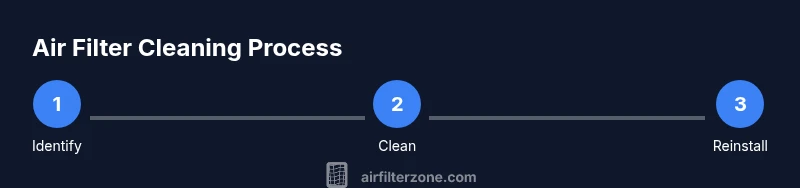
The following steps provide a concise roadmap for how to clean air filters that are designed to be washed or reused. For disposable filters, skip to replacement instead of attempting cleaning. The process is designed to minimize moisture exposure to surrounding components and to ensure the filter media remains intact for continued filtration efficiency. Pay attention to orientation arrows during reinstall, and verify that the seal around the filter housing is snug to prevent air bypass. As you gain experience, you’ll quickly recognize which filters can be cleaned and which should be replaced.
Authoritative Sources and Maintenance Schedule
To support DIY maintenance, consult reputable sources for guidelines and best practices. The EPA provides guidance on indoor air quality and filtration, while Energy Department resources discuss filter maintenance and replacement timing. These sources help frame a practical maintenance schedule for both home and car filters. Air Filter Zone’s analysis reinforces that a structured maintenance plan reduces dust and improves air quality over time. Regular checks every 2-3 months, plus a yearly review of filter effectiveness, can keep systems running efficiently and prolong filter life.
Tools & Materials
- Vacuum with brush attachment(Low-suction setting to avoid bending media)
- Soft-bristled brush(For dislodging surface debris)
- Mild soap solution or filter cleaner(Avoid harsh chemicals that can degrade media)
- Lukewarm water(Rinse only; avoid hot water that may warp materials)
- Towel or microfiber cloth(Pat dry; moisture can promote mold growth)
- Gloves(Optional for handling dirty filters)
- Replacement filter (on hand)(Useful if the current filter is damaged or not reusable)
- Bucket or basin(For soaking reusable filters if recommended by manufacturer)
Steps
Estimated time: 60-90 minutes
- 1
Identify filter type and access point
Locate the filter housing and read any labeling to determine whether the filter is disposable or reusable. Note the orientation arrow on the filter so you reinstall correctly. This step ensures you apply the right cleaning method and avoid damaging the media.
Tip: Take a photo of the current setup before removal to aid reassembly. - 2
Power down and prepare
Turn off the appliance or system and disconnect from power. Remove personal jewelry and wear gloves if dealing with dirty filters. Clearing the area prevents accidental contact with moving parts or water leakage during cleaning.
Tip: If cleaning a vehicle cabin filter, ensure the engine is cool before opening the glove box or dash area. - 3
Remove the filter carefully
Gently slide or lift the filter from its housing, avoiding forceful twists that could crack the media. Inspect for tears, sagging media, or water damage. If the filter is damaged, do not attempt cleaning—replacements are safer.
Tip: Hold the filter by its edges to avoid touching the filtration surface. - 4
Decide cleaning method
If the filter is reusable, determine whether it can be washed or needs light brushing only. If it’s disposable, set it aside for replacement. This prevents waste and protects performance by preserving a safe, effective filtration path.
Tip: Always follow the manufacturer’s cleaning guidelines if provided. - 5
Clean a reusable filter
Rinse the filter under lukewarm running water to remove loose debris. Use a soft brush with mild soap to loosen embedded grime. Do not scrub too aggressively to avoid damaging the media or deforming the structure.
Tip: Avoid using hot water or strong detergents that can degrade the media. - 6
Dry thoroughly
Shake off excess water and lay the filter on a clean towel in a well-ventilated area. Allow it to air dry completely, which can take several hours. Do not reinstall a damp filter, as moisture promotes mold growth.
Tip: If you need faster drying, use a fan to increase air circulation but keep away from direct heat. - 7
Reinstall and seal
Position the filter with the correct orientation and slide it back into the housing until it sits flush. Ensure the seals and gasket are intact and that there are no gaps around the edges. A snug fit preserves filtration efficiency.
Tip: Double-check the airflow direction before snapping the cover back on. - 8
Test airflow and record date
Restore power, run the system briefly, and observe airflow—smooth and consistent airflow indicates a good seal. Note the maintenance date and set a reminder for the next cleaning or replacement. This supports consistent air quality and system health.
Tip: Keep a small maintenance log near the filter housing for quick reference.
FAQ
Can every air filter be cleaned, or are some disposable?
Not every air filter can be cleaned. Many disposable filters are meant to be replaced once dirty. Check the label and manufacturer guidance to determine whether cleaning is appropriate.
Most disposable filters should be replaced rather than cleaned. Check your filter’s labeling to confirm.
What are signs a filter needs replacement instead of cleaning?
If the media is torn, warped, heavily clogged, or you see decreased airflow after cleaning attempts, replacement is advisable. Damaged filters can bypass filtration and harm the system.
Look for tears or warped media and reduced airflow after cleaning. If in doubt, replace.
How often should I clean or replace a home HVAC filter?
In general, check every 1-3 months and replace every 3-6 months, depending on dust levels, pets, and allergy sensitivity. Car cabin filters often require similar vigilance, especially with high outdoor pollution.
Check every couple of months and replace on a schedule that matches dust and pet exposure.
Are there safety concerns I should consider?
Always power down equipment before handling filters. Wear gloves if the filter is dirty, and avoid touching the filtration surface to prevent contamination.
Power down first, wear gloves if dirty, and handle edges to avoid touching the dirty surface.
What’s the difference between home and car filters when cleaning?
Home HVAC filters and car cabin filters have different designs and cleaning expectations. Home filters may be washable if reusable; car cabin filters are often disposable. Always follow the specific model instructions.
Home and car filters differ—follow the model’s instructions and don’t mix cleaning methods.
Quick Summary
- Inspect filter type before cleaning to choose the right method.
- Reusable filters can be washed and dried thoroughly before reinstallation.
- Never clean a damaged or disposable filter.
- Reinstall with correct orientation and test airflow after replacement.
- Keep a maintenance log to schedule future cleanings.