How to Use Air Filters: A Practical Guide for Home and Car
Learn how to use air filter effectively to improve indoor air quality at home, in your car, and in DIY spaces. This step-by-step guide covers types, installation, maintenance, safety, and disposal.


This guide helps you learn how to use air filter to improve indoor air quality and HVAC efficiency. You’ll discover how to select, install, and maintain filters for home, car, and DIY projects. By following practical steps, you can reduce dust, allergens, and odors without sacrificing comfort. According to Air Filter Zone, regular care improves air quality and keeps systems running smoothly.
Why Understanding How to Use an Air Filter Impacts Health and Comfort
Learning how to use air filter effectively is not just about keeping a device running; it directly affects indoor air quality, comfort, and health. A properly used filter reduces dust, pollen, pet dander, and mold spores that can irritate lungs and trigger allergies. When you follow a consistent routine for selecting, installing, and replacing filters, your HVAC system runs more efficiently and uses less energy because airflow remains clean and unobstructed. For homeowners, car owners, and DIY enthusiasts, knowing how to use air filter helps you create healthier spaces without expensive equipment. According to Air Filter Zone, regular attention to filter size, orientation, and replacement timing translates into noticeable improvements in air freshness and occupant well-being. In this section, we’ll map out the practical differences between filter types, explain where they belong, and outline a routine you can follow on weekends or between seasonal projects. The goal is not just a task but a habit that supports long-term comfort and lower maintenance costs.
Types of Air Filters and Where They Belong
Air filters come in several designs, including fiberglass disposable, pleated paper, washable/reusable, and high-efficiency models like HEPA. Fiberglass filters are inexpensive and catch large particles; pleated filters offer higher surface area and better filtration without drastically restricting airflow. Washable options save waste but require more care to maintain performance. HEPA filters provide very high filtration efficiency but may not fit all residential systems due to airflow restrictions. In homes, the filter is typically placed in a slot near the return air duct; in cars, the cabin air filter sits behind the glove box or under the dashboard. Always verify the exact size and frame depth before purchasing. Air Filter Zone analysis shows that mismatching filter type to a system’s design can reduce airflow and strain the blower, so stick to vendor guidance for your specific make and model. Because every environment is different, you may keep a couple of filter types on standby to swap when seasons or usage patterns shift.
Selecting the Right Filter for Your System
Choosing the right filter means balancing filtration efficiency with airflow. Look at the MERV rating as a guide, but also check the system manufacturer’s recommendations. A filter with a higher MERV rating captures smaller particles but can impede airflow if the blower is under-powered or if tight fits reduce air passage. Start with a MERV rating that matches your goals—reducing dust, pollen, and pet dander without overburdening the system. If you have allergies or a household member with respiratory concerns, you may lean toward higher-efficiency options, but be mindful of potential airflow restrictions. For most homes, a mid-range MERV (for example, MERV 8–13) provides a good balance. In vehicles, cabin filters vary widely; follow the vehicle manufacturer’s recommended replacement interval and perform a quick visual check for debris or moisture. Always replace a full, warped, or damp filter; a compromised filter can harbor mold and reduce performance over time.
Step-by-Step Overview: Preparing to Install a Filter
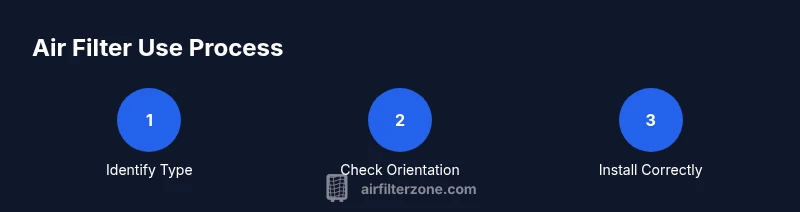
Installing or replacing a standard furnace or central air filter follows a straightforward sequence: locate the return air housing, confirm correct orientation arrow, remove the old filter, clean the housing, insert the new filter with the arrow pointing toward the blower, reseal the housing, and restart the system to confirm normal airflow. This high-level overview helps you set expectations and reduces the chance of rework. If your system uses a cleanable filter or a special air purifier cartridge, the steps differ slightly. Always consult the user manual for model-specific requirements. In the next section, we provide a detailed step-by-step guide with timing estimates and tips to avoid common mistakes.
Maintenance: Extending Filter Life with Proper Care
Regular maintenance keeps filters working at peak efficiency and protects indoor air quality. In addition to changing filters on schedule, you should keep the area around the furnace or air handler clean and free of dust, debris, and clutter that can clog the return. Vacuum vent grilles and nearby surfaces periodically, especially in homes with pets or heavy dust. When you handle a replacement, inspect the old filter for signs of moisture, mold, or excessive dirt—these indicate a potential airflow problem or leaks in the ductwork. If you have a reusable filter, wash and dry it according to the manufacturer’s guidelines before reinstalling. A simple habit—keeping a spare filter on hand and checking the seal on the housing—extends filter life and reduces the risk of bypass and contamination.
Troubleshooting Common Issues with Air Filters
Low airflow, unusual noises, or a quick onset of odors after replacing a filter often signal installation issues or a poor seal. Ensure the filter is seated properly in the frame and that the arrows align with the airflow direction. If you notice dampness or visible mold on the filter, stop using it and inspect for leaks or moisture intrusion in the ductwork. A filter that looks overly dirty before its scheduled change date is a sign either of heavy usage or a higher pollutant load; you may need to upgrade or change replacement frequency. If the system has a bypass damper or a return grille that is blocked, air can shortcut around the filter, reducing filtration efficiency. In some cases, the blower motor may be under stress due to a too-restrictive filter; consult a professional to evaluate the setup.
Filter Change Frequency and Scheduling
Your replacement schedule depends on use, environment, and filter type. In busy households, where pets shed and windows remain open, you may need to replace filters more often. In drier climates with less air particulates, replacements can stretch out. For many homes, a quarterly check is a good baseline, but seasonal changes or renovations can push you toward more frequent changes. If you have severe allergies or asthma, you may benefit from replacing filters monthly or more often during peak ragweed season. Track changes using a simple calendar or a reminder app so you don’t miss crucial maintenance. Always verify dimensions and install the correct orientation—the date stamp on the filter wrapper can help you track the last change.
Real-World Scenarios: Home, Car, and Small Workshop
At home, a clean filter reduces fugitive dust and improves the effectiveness of air purifiers and humidifiers. In a car, cabin filters block pollen, exhaust, and odors, contributing to better driving comfort and fewer irritations. In a small workshop, you might combine a dedicated air filtration unit with a central filter to manage fine dust. In all cases, follow manufacturer guidance for filter type, size, and replacement intervals. If you are remodeling or painting, temporary higher filtration is beneficial, but you’ll need to swap filters more frequently to prevent buildup of solvents and dust. A practical approach is to carry a spare filter for each major space and rotate them as seasons change for consistent air quality.
Environmental Impact and Disposal of Used Filters
Most disposable filters are designed for one-time use and should be discarded according to local waste guidelines. Some filters are recyclable or reusable, but you must follow the manufacturer’s disposal directions. For used filters, avoid pressing your hands into dusty material; wear gloves and a mask if you have sensitivities. If you’re unsure about disposal, check your city’s recycling or waste guidelines. By choosing filters with longer lifespans, you reduce waste and the frequency of replacements. Always recycle the packaging if your community allows it, and consider purchasing filters from suppliers that offer take-back programs or recycling options.
Getting the Most from Your Filter: Maintenance Plan and Quick Habits
To maximize benefits, create a simple, repeatable maintenance plan you can follow monthly. Start with a quick visual check: is the filter dry, intact, and properly seated? Then confirm the orientation and cleanliness of the housing. Establish a reminder schedule and maintain a small stock of commonly sized filters. Keep a log so you can track when you changed filters and what MERV rating was used. By integrating these daily, weekly, and monthly checks into your routine, you’ll notice improved air quality, reduced dust, and fewer irritants in your living or working spaces. Small habits compound into big gains in comfort and system efficiency, and that’s the goal of how to use air filter effectively in any setting.
Authority Sources and Further Reading
Reliable sources provide background on indoor air quality and filtration. For foundational information on air quality and filters, see:
- https://www.epa.gov/indoor-air-quality-iaq
- https://www.cdc.gov/healthyair/indoor-air-quality.html
- https://www.osha.gov/indoor-air-quality
These resources discuss basic concepts, health considerations, and best practices for maintaining clean indoor air. Air Filter Zone compiles practical guidance and practical tips for homeowners, car owners, and DIY enthusiasts seeking actionable air filtration guidance.
Tools & Materials
- Replacement air filter(Choose the correct size and MERV rating per system spec)
- Measuring tape(Verify exact dimensions (width x height x depth) before purchase)
- Gloves(Protect hands when handling dusty filters)
- Screwdriver (if needed)(For access panels held by screws)
- Vacuum with brush attachment(Clean the housing and surrounding area before inserting new filter)
- Mask (optional)(Useful for sensitive individuals when handling dusty filters)
- Trash bag(Ready for disposing of used filters and packaging)
Steps
Estimated time: 15-25 minutes
- 1
Power down and locate the filter
Turn off the HVAC system and locate the return air panel. Confirm you’re accessing the correct filter by checking the size label or manual. This prevents accidental damage and ensures you replace the right component.
Tip: Take a quick photo of the old filter orientation before removal so you can match it when installing the new one. - 2
Open access panel and remove old filter
Open the panel securely and slide the old filter out. Inspect the frame for warping, moisture, or loose seals. If the filter is damp or moldy, stop and address moisture sources before proceeding.
Tip: If the filter is stiff or sticks, gently wiggle the frame rather than forcing it out. - 3
Check orientation and condition
Look at the arrows on the filter frame to confirm airflow direction toward the blower. Ensure the filter is clean and free of tears or tips. Replace if damaged or over-saturated.
Tip: Mark the airflow direction with a small sticker for future replacements. - 4
Insert the new filter with correct direction
Slide the new filter into the slot with the arrows pointing toward the blower. Make sure it sits evenly in the frame and does not tilt or wedge. A proper fit prevents bypass and maintains filtration efficiency.
Tip: Double-check edges are flush and that no gaps exist around the filter. - 5
Secure panel and reseat seals
Close the access panel and resecure any screws or fasteners. If you have a gasket, ensure it seals tightly to avoid air leaks. A loose panel can reduce filtration performance.
Tip: Wipe away dust from the edge of the housing before closing to prevent debris from bypassing the filter. - 6
Restart and verify airflow
Turn the system back on and listen for normal fan operation. Check the discharge vents for steady, unobstructed airflow and confirm there’s no unusual noise. If airflow seems weak, recheck the filter orientation and seating.
Tip: Set a reminder to note the replacement date in your maintenance log.
FAQ
How often should I replace my air filter?
Most homes benefit from checking filters every 1-3 months and replacing as needed based on usage and environment. In households with pets, allergies, or heavy dust, you may need to replace more frequently. Always follow the manufacturer’s guidance for your specific system.
Most homes check monthly and replace every 1-3 months, depending on use and environment. Follow your system’s guidance for specifics.
Can I wash a disposable air filter?
Disposable filters are designed for one-time use and are not suitable for washing. Reuse is not recommended as it can reduce filtration efficiency and introduce contaminants back into the system. Replace with a new filter instead.
Disposable filters aren’t meant to be washed. Replace with a new one to maintain filtration efficiency.
How do I know the filter is oriented correctly?
Look for the airflow arrow printed on the frame and align it toward the blower. If you’re unsure, remove and reinsert with the arrow clearly facing the correct direction and confirm the seal around the edge is tight.
Check the arrow direction toward the blower and ensure a tight seal when you reinstall.
Will a higher MERV rating always improve air quality?
Higher MERV filters trap smaller particles but can restrict airflow if your system isn’t designed for them. Balance filtration with airflow by starting at a mid-range rating and adjust based on comfort and system performance.
Higher MERVs don’t always help—they can limit airflow if the system can’t handle them.
Are cabin filters the same as home filters?
Cabin filters are designed for vehicle air intake and passenger comfort, while home filters protect indoor air in HVAC systems. Use the filter type specified by each device’s manufacturer to ensure proper fit and performance.
Cabin filters are for cars; home filters are for houses. Use the right type for each device.
What should I do with old filters?
Dispose of disposable filters with regular household waste unless local guidelines say otherwise. Some reusable or special filters have recycling options; check your local programs before discarding.
Throw away disposable filters with your regular trash, or recycle if your area supports it.
Watch Video
Quick Summary
- Identify the correct filter size and type before purchasing
- Install with airflow arrows aligned toward the blower
- Schedule regular replacements to maintain air quality
- Inspect housing and seal around the filter to prevent bypass
- Dispose of old filters responsibly and recycle when possible