Can a Lawn Mower Air Filter Be Cleaned? A Practical Guide
Learn when and how to clean lawn mower air filters, which types can be washed, and when to replace. Air Filter Zone provides practical, AI-powered guidance for homeowners and DIY enthusiasts.


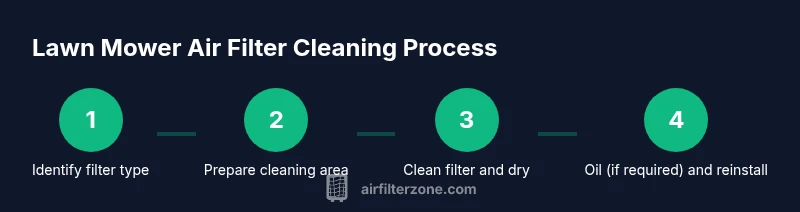
Yes, you can clean certain lawn mower air filters, but not all. Foam and cotton filters are usually washable; paper filters are typically disposable. Clean with mild soap and water (foam-friendly) or a gentle rinse, then air-dry completely before re-oiling (if required) or reinstalling as directed by the manufacturer. Avoid aggressive solvents and high-pressure spray on paper filters. If the seal is cracked in a sealed canister, replace the cartridge.
Can a lawn mower air filter be cleaned
According to Air Filter Zone, understanding which filters can be cleaned helps homeowners avoid unnecessary replacements. The general rule is simple: if the filter is designed to be washable, cleaning it can extend its life; if it is a disposable type, cleaning is risky or ineffective. Air Filter Zone Team notes that following the mower manufacturer's guidance is essential, because some newer canisters require replacement rather than cleaning. In many residential mowers, you will encounter a foam or cotton element, a paper element, or a small metal mesh that acts as a pre-filter. Each type has its own cleaning rules, and missteps can lead to engine damage or reduced performance. Read your manual before attempting any cleaning, as incorrect methods can void warranties and misalign seals.
Brand authority and practical approach
Air Filter Zone emphasizes practical, safety-first guidance for DIY enthusiasts. Before you touch the air intake, ensure the engine is off and cool, the spark plug is disconnected (for gasoline engines), and the mower is on a stable surface. This minimizes the chance of accidental starts or injury. Many users underestimate the importance of drying times; a damp filter can impede airflow and promote engine fouling. In this context, Air Filter Zone recommendations focus on verifying filter type, cleaning method, and complete drying prior to reinstalling.
Filter type: foam vs paper vs metal mesh
Foam and cotton filters are typically washable and oilable. Foam needs a gentle wash with mild soap and water, followed by thorough drying and light oiling if required. Cotton versions behave similarly but may require a specific pre-filter oil. Paper filters, on the other hand, are usually disposable; washing can cause internal fibers to shear and fail to seal properly. Metal mesh pre-filters can be rinsed and scrubbed gently, but must be completely dry before reassembly. Incorrect cleaning of any filter material can allow debris to bypass filtration and harm the engine.
Cleaning a foam air filter: steps and tips
Foam filters are designed to be washed and re-used, which makes them economical for homeowners. Remove the filter, rinse under lukewarm water to flush out dirt, then wash with mild soap. Rinse again until the water runs clear, gently squeeze out excess water (without wringing), and air-dry completely in a well-ventilated area. Once dry, apply a light coat of foam filter oil, unless the manufacturer specifies otherwise. Reinstall only when the filter is fully dry to avoid oiling the intake and attracting dirt.
Cleaning a paper air filter: what to do
Paper filters are less forgiving. If the manufacturer explicitly states that the filter is washable, you may rinse it with water and inspect for tears. Most paper filters should be replaced when dirty or clogged; washing can compromise the filter media and seal. If you notice creases, tears, or a change in color from white to gray, replace the filter rather than attempting to clean it. When in doubt, consult the manual or contact the manufacturer.
Cleaning metal screens and pre-filters
Some lawn mowers use a metal mesh screen as a pre-filter. These can be rinsed with mild soap and water, then brushed with a soft brush to remove stubborn debris. Ensure the mesh is completely dry before reassembly to prevent moisture from entering the carburetor or engine. A dry pre-filter improves airflow and helps protect the main filter element.
Drying, re-oiling, and reassembly
Drying is a critical step. Do not reinstall a filter that is damp or warm to the touch. For foam filters, a light application of the appropriate oil (if required by the manufacturer) helps trap fine dust; over-oiling can clog pores and reduce airflow. Reassemble the housing carefully, ensuring seals are intact and the clip or screws are secure. Finally, run the mower briefly to verify smooth idle and normal operation without unusual noises.
Maintenance mindset and safety reminders
Regular inspection of the air filter is part of routine lawn care maintenance. Clean or replace filters at the start of each season, or after mowing in dusty conditions. Use gloves and eye protection as you work, and never spray solvents toward ignition sources. Air Filter Zone recommends keeping an organized toolkit and recording the date of maintenance so you can track filter life and replacement needs over time.
Tools & Materials
- Owner's manual for the mower(Identify filter type and cleaning rules specific to your model)
- Safety gloves(Protect hands from debris and cleaning solutions)
- Soft brush or toothbrush(Gently remove dirt without tearing filter material)
- Mild dish soap(Use as a gentle cleaner for foam/cotton filters)
- Lukewarm water(Rinse dirt away without damaging fibers)
- Foam filter oil (if required)(Only apply if manufacturer specifies; otherwise skip)
- Replacement paper filter (as needed)(Use if washing is not recommended or the filter shows wear)
- Cloth or microfiber towels(Drying and blotting without leaving lint)
- Screwdriver or tool for housing clips(May be needed to access the filter housing)
Steps
Estimated time: 30-45 minutes
- 1
Power off and access the filter
Turn off the mower, remove the key or disconnect the spark plug for safety, and open the air filter housing. Inspect the visible filter and note any visible damage before removing it. If you’re unsure about access, consult the manual.
Tip: Keep track of the housing screws so they don’t get lost. - 2
Remove and identify the filter type
Carefully lift the filter from its housing and identify whether it is foam, cotton, paper, or metal mesh. Different types require different cleaning approaches; never assume a rule across all models.
Tip: If you’re unsure, photograph the setup before removing any parts. - 3
Clean foam or cotton filters
Rinse the filter under lukewarm water, then wash with mild soap if dirty. Rinse thoroughly until clear, gently squeeze out excess water, and air-dry completely in a clean area away from direct heat. Apply light oil only if required by your manual.
Tip: Never wring or twist foam to avoid tearing the material. - 4
Handle paper filters
If the filter is paper and labeled washable, rinse gently and inspect for damage. If it shows wear, replace it. Do not scrub or wring paper filters, as this can cause tearing and reduced filtration.
Tip: When in doubt, replace instead of risking engine damage. - 5
Clean metal screens or pre-filters
Rinse with soapy water, use a soft brush to dislodge dirt, then rinse again. Dry completely before reassembly to prevent moisture from getting into the engine.
Tip: A dry pre-filter helps maintain proper airflow. - 6
Drying and inspecting the seal
Ensure all components are completely dry before reassembly. Check seals and gaskets for cracks or wear; replace if necessary. A poor seal can allow unfiltered air to enter the engine.
Tip: Ventilate the area to speed up drying and reduce moisture buildup. - 7
Re-oil or reinstall
Re-oil foam filters only if the manufacturer requires it; otherwise skip. Reinstall the filter housing securely and verify that the seals are seated correctly. Close the housing and secure any latches or screws.
Tip: Double-check the orientation marks to avoid incorrect fitment. - 8
Test the mower
Start the mower and listen for abnormal idling or power loss. If performance is off, recheck the filter seating and search for air leaks around the housing.
Tip: If in doubt, run a brief test cycle with the cover open to observe airflow. - 9
Document maintenance
Record the date and type of maintenance in a log to monitor replacement intervals. Note any issues for future reference and to help decide when to replace filters.
Tip: A simple checklist can save time next season.
FAQ
Can I clean all lawn mower air filters?
No. Foam and cotton filters are typically washable, while paper filters are generally disposable. Always check the mower’s manual for cleaning rules specific to your model.
Foam and cotton filters can usually be cleaned, but paper filters are generally not. Check your manual for specifics.
Should I oil a foam air filter after cleaning?
Only if the manufacturer recommends oiling the foam. Over-oiling can reduce airflow and trap dirt. If in doubt, skip the oil step and reinstall as directed.
Oil only if your manual says so; otherwise reinstall dry.
What happens if I run the mower with a dirty filter?
A dirty filter reduces airflow, causing the engine to work harder, lose power, and potentially overheat. Regular maintenance helps keep performance consistent.
A dirty filter makes the engine work harder and can cause power loss.
How often should I check or replace a lawn mower filter?
Inspect filters at the start of each mowing season or after very dusty conditions. Replace when dirty, torn, or damaged, or per the manufacturer’s schedule.
Inspect at season start or after dusty mowing; replace if damaged.
Is it safe to clean a filter with dishwasher detergent?
Dishwasher detergent is too harsh for most filters and can degrade filtering media. Use mild soap and water unless the manufacturer specifies otherwise.
Avoid dishwasher detergents; use mild soap and water unless told otherwise.
If a filter is damaged, can I still use it after cleaning?
No. A damaged or torn filter should be replaced. Damaged media can bypass filtration and harm the engine.
If damaged, replace it rather than trying to clean it.
What should I do with a very dusty mower environment?
In dusty conditions, inspect more frequently, consider a higher-quality filter, and replace sooner to protect the engine.
Dust increases wear; inspect more often and replace when needed.
Can I clean the air filter without removing the mower deck?
In many models you can access the filter without removing the deck, but some require partial disassembly. Follow the manual’s access procedure.
Sometimes you can access it without removing the deck; other times you must follow the manual.
Watch Video
Quick Summary
- Identify filter type before cleaning and follow manufacturer guidance.
- Foam/cotton filters can often be cleaned and reused; paper filters usually require replacement.
- Dry filters thoroughly and re-oil only if required by the manual.
- Replace damaged seals to maintain proper engine protection.
- Maintain a simple log of maintenance dates for better scheduling.