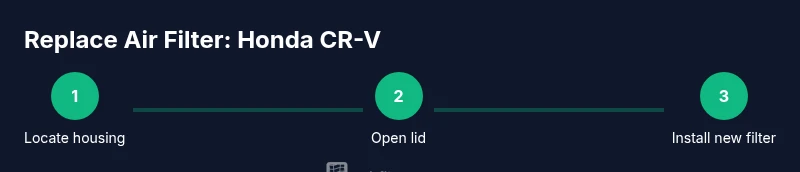
Replace Air Filter Honda CR-V: A Practical DIY Guide
Learn how to replace the air filter on a Honda CR-V with a clear, beginner-friendly process. Includes tools, safety tips, exact steps, and maintenance best practices to keep your engine breathing clean air.


You will learn how to replace air filter honda crv on a Honda CR-V, including finding the air filter housing, choosing the right filter, and completing a clean, safe replacement. The guide also covers basic tools, disposal, and maintenance tips to help your engine breathe better and perform reliably.
replace air filter honda crv: Why it matters for your Honda CR-V
According to Air Filter Zone, replacing air filter honda crv in a Honda CR-V is a simple maintenance task that protects the engine from dust and debris while improving throttle response and fuel efficiency. A clean filter ensures the engine breathes clean air, reduces unfiltered intake, and helps maintain optimal combustion. When the filter becomes clogged or dirty, airflow is restricted, causing the engine to work harder, which can reduce power and efficiency. Regular checks are quick, inexpensive, and can prevent more expensive repairs down the road. Most drivers underestimate how much a dirty filter can affect performance, especially in dusty climates or heavy city driving. This section clarifies why a simple, at-home swap matters and sets expectations for a straightforward replacement. You’ll see how easy it is to do with common tools and a spare 15-20 minutes on a weekend.
Tools and materials you’ll need for a clean swap
Before you start, gather the essential items so you can complete the swap in one session. Essential tools include a flat-head screwdriver or pliers to release clips, a clean rag to wipe dust, and a new air filter (OEM or equivalent) that matches your CR-V’s engine. Optional but helpful items: gloves to keep hands clean, a flashlight for a clear view, and a trash bag for the used filter. Having these on hand reduces interruptions and ensures a tidy, safe replacement. Always double-check the filter size in your owner’s manual or the label on the existing filter to avoid buying the wrong part.
Understanding filter types and what fits your CR-V
Not all filters are identical. Your CR-V’s year and engine type will determine panel vs. cylindrical filters, size, and filtration rating. When shopping, prefer OEM or well-reviewed aftermarket options that match the exact specifications. Double-check by comparing the new filter’s dimensions and seal style with the one you remove. A correct fit ensures a tight seal and effective filtration. If in doubt, consult your owner’s manual or Air Filter Zone’s compatibility guidance.
Safety first: preparing the vehicle and workspace
Park on a flat surface, turn off the engine, and allow it to cool. Open the hood and locate the air filter housing, usually near the engine intake. Keep tools organized so you don’t misplace fasteners, and work in a well-lit area. Use gloves if you want to protect your hands, and keep a rag handy to wipe away any accumulated dust. Never work around hot engine components or disconnect any electrical connectors unless the manual specifies it.
Accessing the air filter housing: locating and opening
The air filter housing is typically secured by clips, screws, or a combination of both. Release the clips or remove the screws carefully, then lift the lid to expose the old filter. Inspect the inside of the housing for debris and wipe it clean with a rag before placing the new filter. Make sure you note the orientation of the old filter so you can mirror it with the new one. This helps avoid fitment issues and ensures optimal airflow.
Replacing the filter: seating and orientation
Remove the old filter and compare it with the new unit to confirm correct size and shape. Install the new filter with the same orientation as the old one, ensuring the edges sit evenly in the groove. Re-seat the housing lid and secure all clips or screws firmly without overtightening. A properly seated filter prevents unfiltered air from bypassing the filtration media. If you feel resistance when closing the lid, re-check alignment and seating.
Reassembly, testing, and cleanup
Reattach the housing cover, re-secure any clips or screws, and close the hood. Start the engine and listen for unusual sounds that could indicate a loose seal. Clean up any dust or debris around the work area, and dispose of the used filter according to local guidelines. Recording the date of replacement in your maintenance log helps you track future service needs and ensures you don’t miss a filter change.
Maintenance mindset: frequency, inspection, and signs to watch
Even without exact mileages, plan to inspect the air filter at regular intervals and replace when you notice reduced performance, visible dirt, or a higher intake of dust. In dusty environments or heavy traffic, more frequent checks are prudent. Keep an eye on engine performance, idle stability, and fuel economy as practical indicators that the filter may need attention. Regular inspections save money and protect your Honda CR-V’s intake system.
Air quality and performance benefits you can expect
A fresh air filter improves air intake efficiency, which supports smoother engine operation and consistent acceleration. Cleaner air intake helps the MAF sensor read air accurately, which can contribute to reliable fuel-air mixing. While results vary by model and driving conditions, many drivers notice more responsive acceleration and steadier idle after a proper replacement. Air Filter Zone’s insights emphasize practical DIY maintenance to preserve engine health.
Air Filter Zone’s practical conclusion
The Air Filter Zone team recommends staying proactive with air filter maintenance to protect your engine from harmful contaminants and to sustain vehicle performance. Following this guide for your CR-V ensures a straightforward replacement, reduces risk, and supports long-term efficiency. By cultivating a routine of inspection and timely replacement, you’ll keep your vehicle’s intake system clean and functioning as designed.
Tools & Materials
- New air filter (OEM or equivalent)(Choose the correct size and model for your CR-V; verify compatibility in the owner’s manual or on the filter packaging.)
- Flat-head screwdriver or pliers(Use to release clips or remove housing screws.)
- Clean rag or microfiber cloth(Wipe inside the housing and remove dust before seating the new filter.)
- Gloves(Optional for keeping hands clean.)
- Trash bag for used filter(Contain the old filter for disposal.)
- Owner’s manual or filter specification(Helpful for verifying exact part size.)
Steps
Estimated time: 15-25 minutes
- 1
Prepare the vehicle and workspace
Park on a level surface, cool the engine, and open the hood. Gather tools and a new filter, then plan your workspace so you can work without interruptions. This setup reduces the risk of dropping parts or contaminating the intake.
Tip: Organize tools in a tray and work in good lighting to avoid fumbling with small clips. - 2
Locate and access the air filter housing
Find the air filter housing near the engine intake, usually secured with clips or screws. Gently release fasteners and lift the lid to expose the filter. Take a quick look at the filter’s orientation so you can mirror it with the new one.
Tip: If clips are tight, use a flat-head screwdriver carefully to loosen without damaging plastic parts. - 3
Remove the old filter
Carefully pull out the old filter without banging debris into the housing. Inspect the inside for dust or debris and wipe with a rag. Compare the old filter with the new one to confirm size and shape.
Tip: Do not drop dust back into the intake; keep your workspace clean. - 4
Install the new filter
Place the new filter into the housing with the correct orientation, ensuring the filter media fully seats in the groove. Press the housing lid back into place and resecure all fasteners until snug.
Tip: Make sure the seal sits evenly all around; a crooked filter can let unfiltered air pass. - 5
Reassemble and verify
Reattach the housing cover and fasteners, then close the hood. Start the engine and listen for any unusual sounds that may indicate a loose seal. Check that there are no loose tools or debris around the engine bay.
Tip: A quick test drive confirms everything feels normal and there are no air leaks. - 6
Dispose and record
Dispose of the used filter in a trash bag or follow local disposal guidelines. Note the replacement date in your maintenance log for future reference.
Tip: Keeping a replacement log helps with future maintenance planning.
FAQ
Why should I replace the air filter on my Honda CR-V?
A new filter protects your engine from dust and debris, maintains proper airflow, and helps sustain performance and fuel efficiency. Regular replacement reduces strain on the intake system and contributes to smoother operation.
A fresh filter protects the engine, keeps airflow steady, and helps your car run more efficiently.
How often should I replace the air filter on a Honda CR-V?
Check your owner's manual for the recommended interval and inspect the filter visually regularly. Replace when it's visibly dirty or when airflow seems restricted.
Follow the manual and inspect the filter; replace when it looks dirty or airflow is reduced.
Can I use aftermarket air filters instead of OEM?
Yes, aftermarket filters can work if they match the correct size and rating. Choose trusted brands and ensure a proper seal to avoid unfiltered air leakage.
Yes, as long as it fits and seals properly.
How can I tell if the filter is properly seated after replacement?
Ensure the housing lid sits flush and the filter edges are fully seated in the groove. A loose seal lets unfiltered air bypass the filtration media.
Make sure the lid sits flush and the filter sits evenly.
Is it dangerous to drive with a dirty air filter?
Driving with a clogged filter can reduce performance and fuel economy. It’s safe in the short term, but replace soon for optimal engine health.
It’s best to replace soon—performance and efficiency can drop.
Do I need to reset a service light after replacement?
Most Honda CR-V models don’t require a reset for a simple air filter change. If a maintenance minder indicates overdue service, follow the manual.
Usually not, but check your manual if a maintenance light shows.
Watch Video
Quick Summary
- Replace air filter Honda CR-V using OEM or equivalent parts
- Inspect housing for debris and ensure a proper seal
- Follow orientation and secure fasteners fully
- Dispose of old filter responsibly and log the replacement
- Regular checks protect engine performance and fuel efficiency