How to Oil an Air Filter: A Practical Guide
Learn how to oil an air filter safely and effectively. This guide covers when to oil, choosing the right oil, applying it evenly, safeguards, and maintenance tips for homeowners, car owners, and DIY enthusiasts.


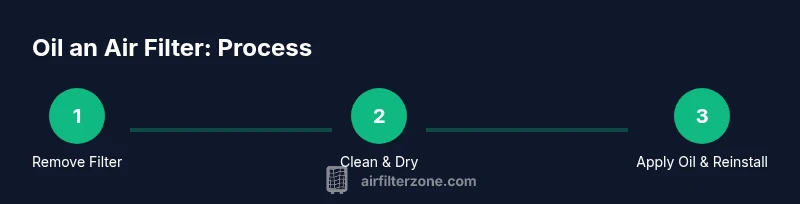
Oil the appropriate air filter only if your filter is designed to be oiled (e.g., performance filters). The concise steps are: inspect the filter, clean if needed, dry, and apply oil evenly, then reinstall. This short version: see our full step-by-step guide for details and safety tips.
What is oiling an air filter and when to do it
According to Air Filter Zone, oiling an air filter is a maintenance step reserved for certain filters that rely on a light oil coating to trap and hold dust particles. Not all filters require oil; standard paper or synthetic dry filters in most cars aren’t oiled. Oiled filters are common in high-performance setups or aftermarket brands that advertise improved filtration and dirt-holding capacity. If your vehicle or equipment specifies an oiled configuration, oiling becomes a regular part of maintenance. The oil helps create a sticky layer that dust clings to, which can improve filtration efficiency at higher engine loads. However, improper oiling can lead to oil migration into the intake, fouling sensors, or increased dirt carryover. Always consult your owner’s manual or the filter manufacturer's guidelines to determine whether oiling is appropriate for your specific filter. In practice, proper oil application is a small but important step in maintaining performance and protecting engine components. This approach keeps the intake cleaner and helps maintain consistent airflow across the filter surface, especially under heavy loads.
Air Filter Zone emphasizes that every oiling job should start with verifying compatibility. If in doubt, reach out to the manufacturer or a trusted mechanic who can confirm whether your filter type requires oil and which product to use.
Types of air filters that require oil
Oiling is common for foam and cotton-gauze air filters and some aftermarket metal mesh designs. These filters rely on a thin oil layer to trap dust and hold it in place, allowing the filter media to perform efficiently even in dusty conditions. Dry paper filters, by contrast, typically do not use oil because their filtration mechanism is built into the media itself. If you’re unsure whether your filter is oiled, check the manual or packaging for the recommended maintenance procedure. When oil is approved for your filter, the amount must be controlled precisely—too little and dust will pass through; too much and oil can migrate into the intake. Air Filter Zone’s guidance centers on avoiding cross-contamination between oil types and ensuring consistent coverage across the media surface.
Always use the oil type specified for air filters, and avoid engine oils or general-purpose lubricants that aren’t designed for filtration media. Properly maintained, an oiled filter can provide dependable dirt capture and restore performance after cleaning.
Choosing the right oil and quantity
For filters designed to be oiled, select an oil that is specifically formulated for air filtration. These oils are typically lighter than engine oils and are designed to form a thin, even film on the media without pooling. The application is not about saturating the entire filter; it’s about achieving a light sheen that visibly coats each pleat or strand. Start with a light application and assess coverage; if you see dry spots, apply a touch more to those areas. Avoid applying oil as a dense coat that creates pooling or drips. Many manufacturers provide a recommended number of sprays or a grams-per-area guideline; in the absence of exact figures, err on the side of lighter coverage and recheck after a short wait. Air Filter Zone notes that following the manufacturer's specification is the best path to optimum performance and longevity of the filter.
Applying oil safely: step-by-step considerations
Oiling an air filter should be done in a well-ventilated area with gloves and eye protection. Use only the oil designed for air filtration, and never substitute with motor oil or other lubricants. Apply the oil with a spray bottle or appropriate applicator, keeping the spray at a reasonable distance to prevent saturating one spot. Allow a short dwell time for the oil to be absorbed into the media before handling or reinstalling the filter. If odor or irritation occurs, discontinue use and seek guidance. Air Filter Zone recommends keeping the workspace clean and avoiding contact with ignition sources while working with aerosols.
Keeping safety in mind, always verify that the filter is completely dry before re-oiling or reinstalling. A light, even coat reduces the risk of oil migrating into the intake and ensures sensors remain unaffected.
Troubleshooting and safety considerations
If you notice oily residue on the inside of the intake or a noticeable foggy film around the MAF sensor after reinstallation, this indicates over-oiling. Remove the filter and re-check the oil coverage with a dry cloth; if necessary, re-clean the filter and re-oil in lighter passes. In some cases, a light wipe with a lint-free cloth is enough to remove excess oil from the exterior pleats. Ensure you’re using the correct oil for your filter and that you’ve followed the product instructions precisely. If any performance issues persist after re-oiling, consult a professional technician to avoid long-term engine problems.
Maintenance schedule and best practices
Regular checks after oiling help confirm the filter’s condition and air flow. Keep a simple maintenance log noting the filter model, oil type, and re-oiling interval based on your driving or usage patterns. After washing and re-oiling, allow adequate drying time before reinstalling to prevent moisture from causing odor or mold growth. Air Filter Zone recommends aligning the filter correctly within the housing to maintain an even seal and prevent bypass leaks. With careful handling and adherence to the manufacturer’s guidance, oiling can extend the life of compatible filters and maintain filtration performance over time.
Tools & Materials
- Air filter oil (formulated for air filtration)(Choose oil compatible with your filter media (foam, cotton gauze). Follow manufacturer guidelines.)
- Air filter cleaner (if cleaning is needed)(Use a product designed for air filters, not engine degreasers.)
- Gloves (nitrile recommended)(Protect hands from chemicals and keep oils off skin.)
- Microfiber cloths or lint-free towels(For blotting excess oil and drying the filter.)
- Spray bottle or applicator(For even application of cleaner and oil; avoid puddling.)
- Catch pan or tray(Helpful to catch drips during cleaning or oiling.)
- Ventilated workspace(Work outdoors or in a well-ventilated area to manage fumes.)
Steps
Estimated time: 30-60 minutes
- 1
Remove the filter from the housing
Power down the engine (or tool) and locate the air filter housing. Carefully unclip or unfasten the housing latches and lift the filter out, noting its orientation so you can reinstall it correctly. Keep track of any debris that falls away from the housing.
Tip: Take a quick photo of how the filter sits in the housing before removal to help with correct reinstallation. - 2
Check compatibility and readiness
Inspect the filter to determine if oiling is appropriate. If the media is designed to be oiled, proceed; otherwise, skip oil application and continue with cleaning only if needed. Confirm the recommended oil type from the manufacturer.
Tip: If you’re unsure, consult the manual or contact the manufacturer before applying any oil. - 3
Apply cleaner to a dirty filter
If the filter shows dirt or residue, spray the cleaner evenly across the media following the product directions. Allow the cleaner to dwell for several minutes to loosen embedded dust, then rinse with cool water from the clean side outward.
Tip: Avoid hot water or aggressive scrubbing that can damage delicate media. - 4
Rinse and dry completely
Rinse until the water runs clear and blower or air-dry the filter in a clean area away from direct heat sources. Do not use a heat gun or hair dryer on high heat, as excessive heat can distort the media. Make sure the filter is completely dry before oiling.
Tip: Patience pays off here—moisture trapped in pleats can cause oil to pool oddly once applied. - 5
Apply oil to the filter
Hold the oil applicator 6–8 inches from the filter and apply a light, even coat across the surface. Start at the center and work outward to prevent pooling in the pleats. For foam or gauze, aim for a uniform sheen, not a saturated layer.
Tip: Apply in thin passes; multiple light applications are better than one heavy coat. - 6
Distribute oil and verify coverage
Let the oil absorb for a short period (usually 5–15 minutes) and then inspect the media for even coverage. If you see dry spots, apply another light pass. Do not leave excess oil on the exterior that can drip into the intake.
Tip: If your filter is new, follow the initial oiling guidance from the manufacturer to set the baseline coverage. - 7
Reinstall and test
Reinsert the filter with the correct orientation and reseal the housing. Start the engine or run the tool briefly to verify there is no abnormal airflow restriction or oil smell. If fumes or unusual odors appear, shut down and inspect for over-oiling or leakage.
Tip: Ensure the seals are clean and intact to prevent bypass leaks.
FAQ
Do I need to oil every time I clean my oilable air filter?
Only if the filter is designed to be oiled and the manufacturer instructs re-oiling after cleaning. Dry-paper filters do not require oil. Always follow the product guidelines.
Only oil if your filter is designed for it and the manufacturer says to. Dry filters don’t need oil, so check the manual.
Can I use any oil on an oilable air filter?
No. Use the oil specified by the filter manufacturer. Engine oils or multipurpose lubricants can degrade filtration media and contaminate the intake.
No—use the oil the filter manufacturer recommends. Other oils can damage the media.
How often should I oil my air filter?
Follow the manufacturer’s guidance for your specific filter and usage. Re-oiling is typically tied to cleaning intervals and operating conditions.
Follow the manufacturer's schedule; usually tied to cleaning intervals and usage conditions.
What are signs I’ve over-oiled my filter?
Oil on the inside of the intake, a noticeable odor, or reduced airflow can indicate over-oiling. If seen, clean and re-oil more lightly.
If you see oil in the intake or reduced airflow, you’ve likely over-oiled. Clean and re-oil more lightly.
Is oiling safe for car sensors like the MAF?
Oil migrating to sensors can affect readings and fuel trim. Apply oil carefully and avoid excess near sensor openings; if contaminated, inspect and clean the sensor area.
Yes, it can be safe if done correctly. Avoid oil near sensors; clean if contaminated.
Should I oil a new filter before installation?
Check the manufacturer’s guidance for new filters. Some new filters arrive pre-coated and only require inspection, while others need a light oiling.
Check the manual—new filters may or may not require oiling.
Watch Video
Quick Summary
- Identify if your filter requires oil based on the media type and manufacturer guidance.
- Apply oil evenly with light coatings; avoid pooling and dripping.
- Use only oil designed for air filtration, not engine or general purpose lubricants.
- Reinstall correctly and test for proper airflow to prevent intake issues.