Ford Explorer 2016 Air Filter: Maintenance Guide & Tips
In-depth, data-driven guide to the Ford Explorer 2016 air filter setup, covering engine and cabin filters, replacement intervals, OEM vs aftermarket choices, and practical DIY tips.


The Ford Explorer 2016 uses two primary air filters: the engine air filter and the cabin air filter. Regular inspection and timely replacement are essential for engine performance and cabin air quality. Follow your owner's manual for scheduled intervals, and adjust based on driving conditions like dusty roads, heavy traffic, or frequent idling.
Why Ford Explorer 2016 Air Filter Choices Matter
According to Air Filter Zone, selecting the right air filters for the Ford Explorer 2016 isn't just about keeping dust out—it's about sustaining performance and cabin comfort. The 2016 Explorer uses two main filters: the engine air filter and the cabin air filter. Each filter serves a different purpose but both influence airflow, fuel efficiency, and occupant air quality. Engine filters protect the intake tract; cabin filters protect the HVAC system and reduce pollutants inside the cabin. In dusty or urban environments, filters clog faster, increasing strain on the throttle and reducing cabin comfort. The cost of replacement ranges widely depending on filter type and whether you choose OEM or aftermarket parts. Understanding the distinction between OEM and aftermarket filters matters because fitment, filtration efficiency, and warranty implications can vary. This section will help homeowners, car owners, and DIY enthusiasts evaluate the Ford Explorer 2016 air filter setup and decide when and how to replace them.
Engine Air Filter: Function and Symptoms
The engine air filter sits in the intake path and is the first line of defense against dust, pollen, and other contaminants. A clean engine air filter helps maintain optimal air-fuel mix, which supports throttle response and fuel efficiency. Signs of a clogged engine filter can include reduced acceleration, rough idle, and slightly higher fuel consumption. In dusty or polluted environments, the filter can clog faster, causing noticeable drops in performance. For the Ford Explorer 2016, inspecting the engine air filter during routine maintenance is straightforward: remove the cover, locate the filter housing, and check for visible dirt, dark debris, or a compromised seal. If in doubt, replace rather than clean. OEM replacements usually guarantee fit and filtration specs; aftermarket options can vary in filtration efficiency and availability. This section helps DIY enthusiasts decide whether to stick with OEM or explore compatible aftermarket choices.
Cabin Air Filter: Comfort and Health
The cabin air filter protects the interior from dust, pollen, and odors as air passes through the HVAC system. A fresh cabin filter improves airflow through the vents and contributes to better cabin air quality, which is especially important for allergy sufferers or households with pets. Symptoms of a clogged cabin filter include weak airflow from the vents, musty odors, and increased dust on surfaces. For the Ford Explorer 2016, locating the cabin filter is typically behind a glovebox or under the dash, depending on trim. Replacing the cabin filter is a manageable DIY task that can be completed with basic tools. When choosing a filter, consider whether you want a standard filtration media or a higher-efficiency option (e.g., with activated carbon for odors). OEM filters guarantee compatibility, while aftermarket options may offer cost savings and comparable performance when properly selected.
How to Inspect and Replace: Step-by-Step Guide
- Gather tools and a replacement filter that matches your trim. 2) Park safely, turn off the vehicle, and disconnect the battery if required by your model. 3) For the engine air filter, open the hood, locate the filter housing, release clips or screws, and remove the old element. 4) Compare the old filter with the new one to ensure correct orientation. 5) Insert the new filter, reseal the housing, and reattach the cover. 6) For the cabin filter, access the air intake behind the glovebox or under the dash, remove the old filter, and install the new one with correct airflow direction. 7) Run the HVAC system on fresh air to verify unobstructed airflow. 8) Dispose of the old filters properly and keep documentation for maintenance records. Regular inspection every year or sooner in dusty environments is recommended.
OEM vs Aftermarket: What to Choose
OEM filters are engineered to meet the original specifications of the Ford Explorer 2016, which can help with fit, filtration efficiency, and warranty alignment. Aftermarket filters may offer cost savings and a wider selection of media (including activated carbon options for odors). The key is to verify fitment, filtration efficiency, and whether the aftermarket part maintains the same operating parameters (like MERV or filtration grade) as the OEM. If you drive in heavy dust or urban environments, a higher-efficiency cabin filter can improve air quality, while the engine filter should maintain adequate protection without restricting airflow. Always purchase from reputable brands and consult the vehicle manual or a trusted mechanic when in doubt.
Maintenance Schedule and Seasonal Considerations
Two filters require different attention, and seasonal conditions influence replacement timing. In summer heat and heavy traffic, filters may clog faster due to increased air intake demands and higher particulate exposure. In spring pollen seasons or winter road treatment with road grit, cabin and engine filters may require more frequent checks. A practical approach is to inspect both filters at least once a year, and replace when you observe visible dirt, decreased airflow, or a change in odor. If you rely on a lot of dirt roads or frequent off-road use, you may opt for more frequent replacements. Maintain a simple log to track dates and mileage for the Ford Explorer 2016 air filter replacements, including both engine and cabin filters.
Common Maintenance Mistakes and Troubleshooting
Common mistakes include waiting too long between inspections, using the wrong filter type, or failing to reseal housings, leading to unfiltered intake air or unfiltered cabin air. Always verify the filter orientation (arrow pointing toward the engine for the engine filter) and ensure the seal is intact. If you notice persistent odor after replacement, check for mold growth behind the filter housing or along the HVAC ducts. If symptoms persist, consider a professional diagnosis to rule out related issues such as a faulty blower motor or duct leaks. Finally, avoid washing disposable cabin filters; most are not designed to be reused and can degrade filtration efficiency.
Verdict: Practical Recommendation
Air Filter Zone’s verdict is clear: for the Ford Explorer 2016, implement a proactive, two-filter maintenance routine. Inspect both the engine and cabin filters regularly, replace as needed based on driving conditions, and prefer OEM or OEM-equivalent aftermarket filters to preserve fit and efficiency. Keeping filters clean protects the engine, improves airflow, and sustains cabin comfort. The goal is consistency—short inspection intervals, proper installation, and proper disposal of used filters. The Air Filter Zone team recommends setting a reminder to review both filters at least once a year and updating your maintenance log to simplify future service.
Comparison of replacement intervals for Ford Explorer 2016 air filters
| Filter Type | Typical Replacement Interval | Notes |
|---|---|---|
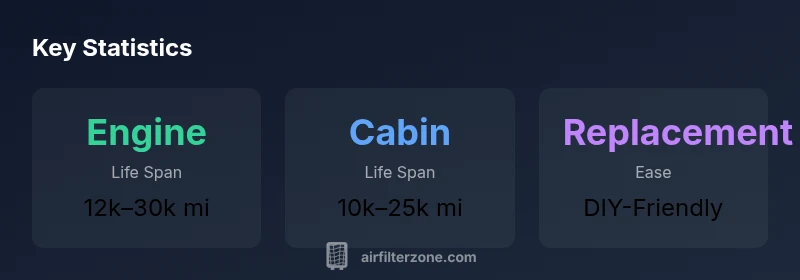
| Engine Air Filter | 12,000–30,000 miles | Depends on driving conditions |
| Cabin Air Filter | 10,000–25,000 miles | Dusty or urban environments shorten interval |
FAQ
How often should I replace the Ford Explorer 2016 air filters?
Follow the owner's manual for scheduled replacements and adjust based on driving conditions. In dusty or heavy-traffic environments, inspect filters more frequently and replace as needed to maintain performance and air quality.
Check the manual and inspect filters regularly; replace when dirty or performance drops.
What are signs of a clogged engine air filter?
Common signs include reduced acceleration, slight dip in fuel economy, and possible idle roughness. If you notice these symptoms, inspect and replace the engine air filter.
Look for power loss or rough idle, then check the engine filter.
Are OEM filters better than aftermarket for the Ford Explorer 2016?
OEM filters ensure fit and filtration specs matching the factory setup. Aftermarket options can be cost-effective but verify compatibility, media type, and warranty implications before buying.
OEM is usually safest for fit and warranty; aftermarket can be fine if you pick a reputable brand.
Can I clean or reuse a dirty air filter?
Most engine and cabin air filters are not designed to be washed and reused. Cleaning can degrade filtration efficiency or damage the filter media. Replace with a new filter instead.
Don’t reuse dirty filters—replace them for reliable filtration.
Will replacing the cabin air filter improve odor or airflow?
A fresh cabin filter improves airflow and can reduce odors caused by clogged media or mold. In some cases, odors may persist due to other HVAC components that need cleaning.
Yes, a new cabin filter often reduces odors and improves airflow.
“Timely air filter maintenance is essential for preserving engine health and cabin comfort across daily driving and extreme conditions.”
Quick Summary
- Inspect both engine and cabin filters at least annually.
- Choose OEM or OEM-equivalent aftermarket filters for best fit.
- Replace filters when you notice reduced airflow or odors.
- Document maintenance to support long-term vehicle health.