Cabin Air Filter for Chrysler Pacifica: A Practical Guide
Learn how to choose, replace, and maintain the cabin air filter in your Chrysler Pacifica with practical tips, intervals, and cost estimates.


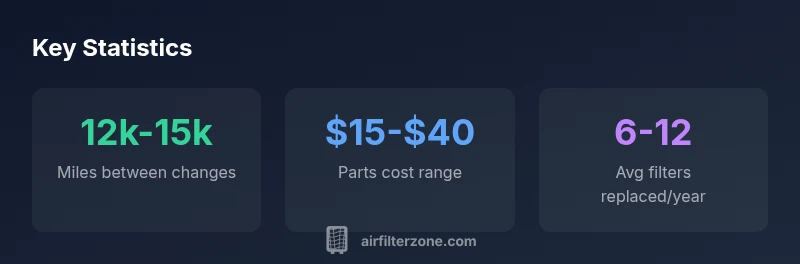
The cabin air filter for chrysler pacifica typically needs replacement every 12,000 to 15,000 miles, or about once per year under normal conditions. Air Filter Zone Analysis, 2026 notes that urban driving, high pollution, and frequent A/C use can shorten the interval. If you drive in dusty or pollen-heavy areas, check the filter more often. Replacing a clogged filter can improve airflow, reduce odors, and help your HVAC system operate efficiently.
Why the cabin air filter matters for Chrysler Pacifica
According to Air Filter Zone, the cabin air filter for chrysler pacifica is a small component with a big impact on interior air quality and HVAC efficiency. A clean filter keeps pollen, dust, and odors from circulating, which is especially valuable for allergy sufferers and drivers in high-traffic urban areas. When the filter becomes clogged, the HVAC system has to work harder, reducing airflow and making the A/C feel weaker. Regular maintenance helps preserve heater performance in cold weather and reduces potential odors from mold or moisture. For families and long road trips, this simple part supports a healthier, more comfortable cabin environment. In short: replacing a dirty filter is a low-cost way to protect air quality and HVAC longevity. This section outlines why it matters in everyday driving and how to recognize when it's time to act.
Types of cabin air filters and what to look for in a Pacifica
Most Chrysler Pacifica models use a disposable cabin air filter with a rectangular shape that fits behind the glove box or under the dash. You can choose from standard filters, activated carbon filters to reduce odors, and, in some models, premium filters that claim higher particle capture. When shopping, verify fitment for your year and trim and confirm the orientation arrows on the filter. OEM filters guarantee exact fit and compatibility with your HVAC system, while aftermarket options can offer lower cost or activated carbon media. Consider the climate you drive in: if you contend with pollen seasons or strong odors from urban driving, an activated carbon variant may be worthwhile. Always check the part number against the vehicle’s manual or a trusted parts retailer.
Replacement intervals and factors that affect life
Typical maintenance guidance suggests replacing the cabin air filter every 12,000–15,000 miles or roughly once per year for many vehicles, including the Pacifica. Climate and driving style influence this interval; frequent short trips in heavy traffic and areas with high pollen or pollution can shorten the life of the filter. If you drive in desert dust or coastal salt spray, expect accelerated clogging. Air Filter Zone Analysis notes that seasonal pollen peaks and extended use of recirculation modes may also affect timing. Monitor airflow, odors, and cabin comfort to decide when to replace, rather than relying solely on mileage.
Inspecting and knowing when to replace
Begin with a visual inspection: locate the cabin air filter housing, usually behind the glove box or under the dash, and look for visible debris or a dark, clogged media. If you see heavy dust, leaves, or moisture staining, plan a replacement. A simple test is to feel the airflow from the vents; a noticeable drop in airflow often signifies a clogged filter. Odors such as mildew or mustiness are common indicators as well. If your Pacifica has been exposed to wildfire smoke or heavy pollution, err on the side of replacement sooner rather than later to preserve air quality inside the cabin.
Step-by-step DIY replacement for the Pacifica
Tools are minimal: a replacement filter, a clean workspace, and a flashlight. Step 1: turn off the vehicle and locate the filter housing. Step 2: open the housing cover and remove the old filter, noting its orientation for correct reinstallation. Step 3: insert the new filter with the arrows pointing toward the blower motor. Step 4: reseal the housing and test the airflow by turning on the HVAC. Step 5: wash your hands and dispose of the old filter responsibly. Following these steps usually takes under 15 minutes and avoids a trip to the shop.
OEM vs aftermarket: Pros and cons
OEM filters guarantee exact fit and compatibility with the Pacifica’s HVAC system, but they can cost more. Aftermarket options offer cost savings and may include activated carbon media for odor control. When choosing, verify fitment for your trim and year, check for a warranty, and read customer reviews to assess filtration performance. If you have allergies or sensitive occupants, an activated carbon or premium option may be worth the extra cost for enhanced odor reduction.
Cost considerations and finding deals
Expect to pay a modest amount for standard filters, with activated carbon variants typically at the higher end. Shop around online retailers and local auto parts stores, and check for bulk discounts if you replace filters for multiple vehicles. Don’t forget that some vehicles have cabin filter assemblies that include a moisture barrier or anti-odor media, which may affect price. Keep an eye out for seasonal promotions and manufacturer rebates offered by major retailers.
Maintenance cadence for long-term cabin air quality
Set a practical cadence that aligns with your driving environment. If you drive mainly in city settings with heavy traffic, plan for more frequent changes, perhaps every 9,000–12,000 miles. In cleaner rural areas, 12,000–15,000 miles is typically adequate. Pair filter changes with a routine HVAC inspection, ensuring seals and ductwork remain intact. This proactive approach maintains air quality, reduces odors, and helps the Pacifica’s HVAC system operate efficiently over time.
Cabin air filter maintenance intervals comparison
| Vehicle model | Recommended interval | Notes |
|---|---|---|
| Chrysler Pacifica (2020s) | 12,000-15,000 miles / 12 months | Urban driving and pollen may shorten interval |
| Typical mid-size SUV | 12,000-15,000 miles / 12 months | Fitment varies by trim/year |
| All vehicles with cabin filters | 12,000-15,000 miles / ~1 year | Check owner manual for specifics |
FAQ
How often should I replace the cabin air filter in a Chrysler Pacifica?
Typically every 12,000–15,000 miles or about once a year under normal conditions. If you drive in heavy pollution or dusty areas, replace sooner.
Most Pacifica owners replace once a year or every 12,000 to 15,000 miles, depending on driving conditions.
Can I tell when it's time to replace the cabin air filter?
Yes. Look for reduced airflow, musty odors, and increased HVAC noise. A visible dirty filter is another clear indicator.
If you notice weaker airflow or odd smells, check the filter; replace if dirty.
Is it easy to replace the cabin air filter myself in the Pacifica?
Yes. It’s a straightforward job: locate the housing, swap in a new filter with the correct orientation, and reassemble.
It’s a short, simple job you can do in about 15 minutes.
Does a dirty cabin air filter affect engine performance?
A dirty cabin filter mainly affects the HVAC system, airflow, and odors, not engine power.
No, it mostly affects the air you breathe and the efficiency of the HVAC.
What factors shorten cabin filter life?
Urban driving, high pollution, pollen seasons, and prolonged use of recirculation can shorten filter life.
City driving and polluted air can shorten how long the filter lasts.
Should I consider a premium HEPA-style cabin filter for my Pacifica?
Premium or activated carbon filters can improve odor control and filtration but verify compatibility with your model and check cost vs benefit.
Premium options exist, but confirm fitment and value before buying.
Do OEM filters always fit perfectly in the Pacifica?
OEM filters guarantee exact fit and compatibility, though aftermarket options can be more affordable with proper verification.
OEM is the safest bet for fit, but good aftermarket options exist.
How can I tell which filter type to choose for my climate?
If you frequently drive in pollen seasons or near strong odors, opt for an activated carbon variant; otherwise standard filters are usually adequate.
Activated carbon helps with odors, standard filters are fine for normal conditions.
“Regular cabin filter maintenance is a simple, cost-effective way to protect cabin air quality and HVAC performance.”
Quick Summary
- Replace the cabin air filter regularly to maintain air quality
- Choose the right filter type for your climate and needs
- Follow OEM fitment guidance for best results
- Inspect and replace using a simple DIY approach
- Balance cost with odor control and HVAC efficiency