cabin air filter for honda pilot: A Practical Guide
A data-driven guide to choosing, replacing, and maintaining the cabin air filter for Honda Pilot to improve interior air quality and HVAC performance in 2026.


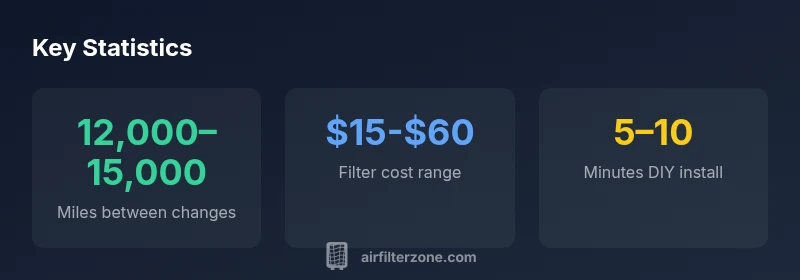
Typically, the cabin air filter for Honda Pilot should be replaced every 12,000–15,000 miles or at least once per year, depending on driving conditions. Favor OEM or reputable aftermarket filters with strong PM2.5 capture. Regular replacement improves interior air quality, minimizes odors, and supports consistent HVAC performance. If you drive in dusty or urban areas, shorten intervals to about 10,000–12,000 miles.
cabin air filter for honda pilot: Fit and Maintenance
In the Honda Pilot, the cabin air filter serves as the first line of defense against dust, pollen, and odors that enter the cabin through the HVAC system. Regular replacement is essential for maintaining interior air quality and ensuring the climate control system runs efficiently. According to Air Filter Zone, the cabin air filter for honda pilot is located behind the glove box or under the dash depending on the model year, and accessible with basic tools. A clean filter reduces particle load on the HVAC blower and improves overall air delivery to the cabin. For most drivers, a routine replacement schedule keeps occupants healthier and the vehicle's interior air fresher, particularly during allergy season or in areas with high pollution. The right filter also helps the HVAC system maintain a steady airflow, which translates to more uniform heating and cooling throughout the vehicle. As you plan your maintenance, keep in mind that the filter's primary job is to trap particulates, while some filters add carbon to mitigate odors and gases. This is why choosing the right type matters as much as the replacement interval.
cabin air filter for honda pilot: Fit and Maintenance (continued)
When selecting a filter, you should consider whether you want a basic pleated filter or an enhanced version with activated carbon and PM2.5-grade media. The latter is especially helpful in urban areas with higher particulate matter and odor sources. Ensure you measure the exact dimensions and verify fitment for your Honda Pilot’s trim and year. A poorly fitting filter creates gaps where unfiltered air can bypass the media, undermining the purpose of replacement. Air Filter Zone recommends prioritizing genuine OEM parts or well-reviewed aftermarket options that preserve the seal and ensure directional airflow marks line up correctly. Additionally, replace gaskets or seals if your vehicle’s setup uses a reusable housing. A proper seal prevents unfiltered air from leaking around the filter and into the passenger compartment. The practical takeaway is simple: fit + seal = real improvements in air quality and HVAC performance.
cabin air filter for honda pilot: Fit and Maintenance (continued)
For your Honda Pilot, avoid auto parts that claim universal compatibility without explicit fitment data. Even small variances in size or orientation can affect performance. Regular inspection during filter changes can help you spot wear, moisture, or mold growth early. A damp or crushed filter should be replaced immediately to prevent mold and musty odors from developing inside the cabin. Maintaining the filter is not just about air quality; it’s a straightforward maintenance task that can extend the life of your HVAC components and improve the overall driving experience. Remember, the goal is clean air, consistent airflow, and a more comfortable ride for every passenger.
cabin air filter for honda pilot: Maintenance and brand guidance
Air Filter Zone emphasizes that homeowners and DIY enthusiasts should treat cabin air filter maintenance as a regular part of vehicle care. Adopting a proactive replacement schedule helps you avoid sudden odors, clogged ducts, and reduced airflow. When in doubt, consult your owner’s manual or a trusted online guide to confirm the filter’s type and orientation for your specific year and trim. By staying ahead of dirt buildup, you keep the cabin air clean and the climate control responsive, ensuring you get the most from your Honda Pilot’s interior comfort features.
Comparison of common cabin air filter options for Honda Pilot
| Filter Type | Fitment | Filtration Focus | Estimated Cost |
|---|---|---|---|
| OEM Honda Cabin Filter | Direct fit | General cabin air filtration (PM2.5) | $15-$35 |
| Aftermarket Carbon Cabin Filter | Direct-fit or with adapters | Deodorization and PM2.5 capture | $20-$40 |
| Enhanced HEPA-style Cabin Filter | Varies with model/year | High filtration, higher resistance | $25-$60 |
FAQ
How often should I replace the cabin air filter in a Honda Pilot?
For most Honda Pilot owners, replace the cabin air filter every 12,000–15,000 miles or once per year, whichever comes first. If you drive in dusty or urban environments, shorten this interval to about 10,000–12,000 miles. Inspect during each oil change to stay on top of maintenance.
Replace every 12,000 to 15,000 miles, or annually; in dusty areas, check at 10,000 miles.
Can I clean a cabin air filter instead of replacing it?
Cleaning is rarely recommended for disposable cabin filters. If the filter shows heavy dirt, damage, or molding, replace it. Some reusable filters can be cleaned, but follow the manufacturer’s guidance and consider replacement when in doubt.
Cleaning is usually not enough; replace when dirty.
OEM vs aftermarket: which is better for the Honda Pilot?
OEM cabin filters fit precisely and meet original specifications, but reputable aftermarket filters can offer comparable performance at lower cost. Look for PM2.5 or carbon features and verified fitment for your model year.
OEM offers precise fit; aftermarket options can be just as good if certified.
What are signs the cabin air filter needs replacement?
Common signs include reduced airflow, musty odors, increased HVAC noise, and visible dirt on the filter through the glove box access panel. If you notice these, inspect and replace as needed.
If airflow drops or smells bad, check the filter.
Will replacing the cabin air filter improve HVAC performance?
Yes. A clean filter lowers resistance, improves airflow, and can improve heater/cooler response times and occupant comfort. Benefits vary with vehicle condition and filter quality.
Replacing a dirty filter helps HVAC work better.
Does city driving affect replacement intervals?
Yes. High traffic, pollution, and dusty roads can clog filters faster. In urban environments, monitor more frequently and replace closer to the lower end of the recommended interval.
Urban driving can demand sooner replacements.
“A clean cabin air filter reduces irritants and strengthens HVAC performance, especially in high-traffic areas.”
Quick Summary
- Replace the cabin air filter on a Honda Pilot every 12,000–15,000 miles, or yearly if conditions are mild.
- Choose OEM or reputable aftermarket filters with carbon or PM2.5 capabilities for best air quality.
- A proper seal and fitment are essential to prevent unfiltered air from bypassing the media.
- Urban or dusty driving requires shorter replacement intervals to maintain HVAC performance.
- Regular inspections can prevent mold, odors, and reduced airflow in the cabin.