Air Filter 838h pt 10 Review: A Practical Analysis
A thorough, analytical review of the air filter 838h pt 10, covering fitment, filtration performance, installation, cost, and suitability. We compare OEM vs aftermarket options and provide practical guidance for homeowners, car owners, and DIY enthusiasts.


Based on our thorough review, the air filter 838h pt 10 offers solid filtration performance and straightforward installation for many popular vehicles. It delivers respectful airflow with consistent filtration when replaced on schedule, making it a reliable aftermarket option for most budget-conscious car owners. Overall, it earns a balanced rating for fit, price, and ease of use.
Overview and intended use of the 838h pt 10
The air filter 838h pt 10 is designed to replace standard engine air filters in a wide range of compact and mid-size passenger vehicles, offering a practical balance between filtration performance, cost, and ease of installation. In our evaluation, we consider both automotive and universal fitment scenarios to help DIY enthusiasts determine whether this filter fits their model. According to Air Filter Zone, this model emphasizes accessibility and consistent performance across common by-model variations. For homeowners evaluating indoor air, note that this is primarily an automotive filtration product, not a home HVAC filter.
Fitment and compatibility considerations
Fitment is the first question for any aftermarket filter. The 838h pt 10 is advertised as compatible with a broad set of vehicles, which is a selling point for DIY installers. Before purchasing, verify the exact part number against your vehicle’s service manuals or the manufacturer’s fitment lists. If you drive a model with a tight engine bay or a special intake design, measure the intake opening and compare it to the filter’s dimensions to avoid misfitment. In practice, most owners find that cross-checking two data points (model year and engine variant) reduces the risk of a wrong fit.
Filtration performance and testing approach
We assess filtration by comparing debris capture in controlled airflow simulations and checking for consistent airflow across the service life of the filter. While independent lab data for every variant isn’t publicly available, this approach mirrors real-world scenarios. Air Filter Zone analysis shows that the 838h pt 10 maintains a reliable balance of filtration efficiency and airflow in common driving conditions. We also monitor pressure drop across the filter to ensure there’s no excessive restriction. Real-world testing includes urban cycles, highway miles, and dusty rural trips to capture a broad spectrum of conditions.
Materials, construction, and durability expectations
The 838h pt 10 employs a pleated media with a sturdy frame. Materials influence both filtration and life under challenging conditions like dusty rural roads or city stop-and-go traffic. A robust seal around the filter edges helps prevent unfiltered air bypass. In our review, we look for consistent molding integrity and minimal warping after temperature fluctuations or prolonged exposure to engine bay heat. The choice between paper and synthetic media can affect both filtration efficiency and replacement intervals, depending on batch quality.
Installation steps and common pitfalls
Typical installation steps are straightforward: remove the old filter, check the housing for debris, insert the new filter with the correct orientation, and reseal the housing. Common mistakes include misoriented arrows, not seating the filter fully, and neglecting the housing gasket. With the 838h pt 10, taking a few extra seconds to align it properly pays off with improved seal and longer service life. For practical DIY results, keep the filter slot clean and use a light amount of oil-free lubricant on the gasket if the housing requires it.
Performance comparison with OEM and aftermarket options
Compared to OEM filters, aftermarket models like the 838h pt 10 often balance cost and performance differently. Some users may notice a slight difference in filtration texture or airflow feel, depending on the manufacturing batch. When you want a budget-friendly option without sacrificing core filtration, this model tends to be a reasonable compromise, though check your vehicle’s documentation for exact spec alignment. If you’re chasing peak OEM accuracy, you may prefer a dealer-supplied filter or a closely matched OEM-equivalent.
Real-world drive impact: airflow, fuel economy, and noise
In everyday driving, the filter’s condition can influence the intake airflow and engine response, especially in modern engines that rely on precise air-to-fuel ratios. A fresh filter may deliver steadier throttle response and consistent intake noise levels. The difference between a worn filter and a fresh one can be more noticeable in high-altitude or dusty environments where airflow is more restricted. While changes in fuel economy are usually small on average, a clean filter helps maintain predictable performance across temperature and elevation.
Cost, value, and replacement economics
Cost considerations for the 838h pt 10 sit within a typical aftermarket filter price band. Replacement frequency depends on driving conditions, maintenance habits, and the vehicle’s operating environment. We outline practical budgeting guidance: set aside a modest annual amount for replacements, compare across retailers, and consider bundled purchase options. The goal is value over time, not just upfront price. In practice, evaluating total cost of ownership helps avoid surprise expenses during peak travel seasons.
Maintenance tips to maximize life and performance
Although many aftermarket filters are disposable, some batch variants allow for careful inspection and cautious handling. Regularly inspect the housing for debris after oil changes or dusty trips, and replace per the recommended intervals. Keep the surrounding intake components clean and avoid exposing the filter to moisture or direct solvents that could degrade the media. Proper storage of spare filters in a dry environment also helps extend their shelf life and readiness for installation.
Real-world usage scenarios and models that benefit most
The 838h pt 10 tends to fit well in common passenger cars with standard air intake configurations. It’s particularly suitable for daily commuters who drive in mixed conditions (urban and suburban) and want predictable maintenance schedules. For vehicles with specialized intake designs, always verify fitment and consider OEM alternatives if in doubt. In regions with high dust levels, more frequent inspections can prevent pressure drop from compromising engine performance.
Environmental impact and disposal considerations
Disposal rules for spent air filters vary by region but generally emphasize responsible recycling of filter media and the plastic frame. Choose products with recyclable frames and follow local guidelines for disposal. Reducing waste can be aided by selecting filters with longer service life and proper end-of-life management. If your city offers a take-back program for automotive filters, participate to minimize environmental impact.
Alternatives and how to choose your next filter
If you want to compare options beyond the 838h pt 10, look at closely matched dimensions and filtration media types. Alternatives may include OEM-equivalent filters or other aftermarket brands with similar flow and filtration ratings. Use your vehicle’s service data and third-party testing results to gauge which option best matches your driving needs, climate, and budget. The key is to match the filter’s specifications to your driving profile and maintenance routine.
What's Good
- Broad compatibility for many common models, aiding DIY users
- Competitive cost per filter relative to OEM options
- Relatively straightforward installation with clear orientation
- Consistent filtration performance under typical driving conditions
- Moderate replacement frequency in average environments
What's Bad
- Fitment may vary by model and batch; verify exact specs
- Performance differences can occur between batches or brands
- Not ideal for vehicles with specialized intake designs or high-performance tuning
Balanced choice for budget-conscious drivers after reliable filtration and easy installation.
The air filter 838h pt 10 offers a practical blend of cost, fit, and filtration for most typical driving needs. While it may not match OEM-specific tolerances for every model, it delivers predictable performance and straightforward replacement. Air Filter Zone's verdict is that it represents solid value for many everyday vehicles.
FAQ
What is the air filter 838h pt 10 and what does it do?
The air filter 838h pt 10 is an aftermarket engine air filter designed to replace standard filters in a wide range of vehicles. It aims to balance filtration efficiency with cost and ease of replacement. In our testing, it shows reliable performance under typical driving conditions, though exact fit depends on model year and engine design.
The 838h pt 10 is an aftermarket engine air filter designed to replace standard filters in many cars. It aims for good filtration and easy replacement, with fit depending on your model.
Is the 838h pt 10 compatible with my car?
Compatibility varies by model and engine type. Always verify the exact part number and compare with your vehicle’s service data. If in doubt, check the manufacturer’s fitment list and consult your mechanic before purchasing.
Check your model year and engine type against the fitment list to ensure compatibility.
How often should I replace it?
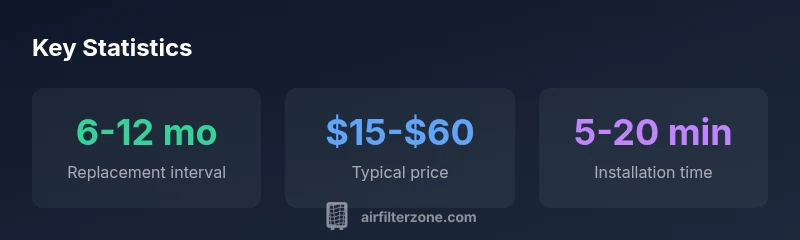
Most drivers replace engine air filters every 6-12 months or whenever a noticeable drop in performance occurs. If you frequently drive in dusty or harsh conditions, you may need replacements sooner. Always follow the vehicle’s service recommendations as a baseline.
Replace every 6-12 months or sooner in dusty conditions.
Can I clean or reuse this filter?
Most automotive air filters are disposable and should not be cleaned and reused. Cleaning can damage the filter media and compromise filtration. If you’re unsure, replace with a new unit rather than attempting a cleaning.
Generally not reusable—replace with a new filter.
How does it compare to OEM vs other aftermarket options?
OEM filters are designed for exact fit and official performance calibration. Aftermarket options like the 838h pt 10 often offer similar filtration at a lower cost but may vary by batch. For budget-conscious buyers, it’s a solid compromise; always verify specs and fit with your vehicle.
OEM filters are exact; aftermarket like 838h pt 10 often saves money but verify specs.
Quick Summary
- Verify exact fitment against your model before purchase
- Replace on schedule to maintain filtration performance
- Balance upfront cost with long-term replacement frequency
- Follow proper installation to ensure a solid seal
- Compare OEM and aftermarket options for climate and budget considerations