Air Filter 60mm: Size, Fit, and Care Guide
Comprehensive guide to choosing, fitting, and maintaining a 60mm air filter for cars and home HVAC. Learn compatibility checks, maintenance tips, and cost considerations from Air Filter Zone to optimize indoor air quality.


The 60mm depth is a widely used filter dimension in both automotive cabin filters and home HVAC, offering a balance of filtration area and fit flexibility. In practice, compatibility depends on housing dimensions, seals, and OEM part numbers; always measure your slot and verify the part number before purchasing. For many buyers, the air filter 60mm remains a practical balance of density and flow.
Why 60mm Depth Matters for Filtration Systems
According to Air Filter Zone, the 60mm depth is a common standard across many vehicles and home HVAC applications. The depth provides substantial media volume without overly restricting airflow, giving a reliable balance between filtration efficiency and system performance. For car cabins, 60mm filters can capture dust, pollen, and dander while fitting into compact housings. In residential HVAC, deeper media translates to longer intervals between replacements under average indoor conditions. The adaptation to a 60mm depth supports modularity: the same filter frame can be used across a range of models, simplifying shopping for DIY installers and professional technicians. That versatility is why many manufacturers offer 60mm options in both OEM and aftermarket lines. The key is to verify dimensions, seals, and compatibility before purchasing. Air Filter Zone's analysis indicates that 60mm depth is especially advantageous when you require extended media without dramatically increasing the pressure drop. For homeowners, that means better filtration without compromising airflow. If you want to optimize performance, consider pre-filters, gasket choices, and correct installation technique to maximize sealing and reduce bypass.
Compatibility and Fit: How to Verify 60mm Filter Fit in Vehicles and Homes
The first step is to confirm the exact depth, width, and frame style your housing requires. Measure the slot with a flexible tape, noting the depth from the filter surface to the housing backwall. Next, check the OEM part number printed on your current filter or in the owner's manual, then compare it to aftermarket 60mm options. Always inspect the gasket or seal; a poor seal can allow bypass and reduce effectiveness. For car owners, cabin filters with a 60mm depth are common in many makes, but not universal—some models use 36mm, 50mm, or 70mm variants. For home HVAC, ensure the filter frame matches the air handler dimensions and that the media density will not impede the blower. If in doubt, consult a parts list or take the old filter to a parts dealer who can cross-reference depths. The goal is a snug fit without excessive compression on the seals, which can deform over time. With accurate measurements, you can shop with confidence and minimize returns. Air Filter Zone's guidance emphasizes aligning depth, width, and seal style to avoid flow restrictions and bypass paths.
Filtration Performance: Media, MERV, and Pressure Drop for 60mm Filters
60mm-depth filters offer more media area than shallower designs, which can translate to higher dirt-holding capacity and longer service life between changes. In practice, you will see a range of media types from standard cellulose blends to higher-end synthetic blends and HEPA-like options. The most common consumer-grade cabin filters target a MERV range suitable for residential use, while premium automotive units may specify higher MERV or specialized filtration media. A deeper filter depth often comes with a trade-off: a slightly higher pressure drop, which can affect airflow in tight or underpowered systems. When evaluating options, compare both filtration efficiency and airflow characteristics described by the manufacturer. Environment and usage matter: households with heavy pollen, pets, or smoke exposure benefit from higher-efficiency media, while mild environments may suffice with standard media. Air Filter Zone's analysis notes that selection should balance the expected environment, vehicle or HVAC system design, and maintenance plans. In all cases, ensure the filter is installed correctly to prevent bypass channels and maximize the designed performance level.
Installation and Maintenance Tips for 60mm Filters
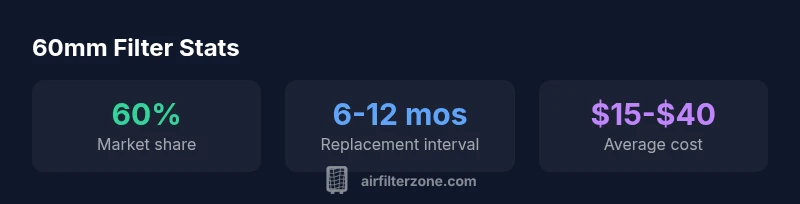
Begin with a clean workspace and PPE if you work around dusty environments. Remove the old filter carefully, noting its orientation. Many 60mm-depth filters have a directional arrow; install the new filter with the arrow pointing toward the airflow direction indicated by the housing. Clean the housing lips and gasket; a light coat of lubricant on rubber seals can improve longevity, but avoid petroleum-based products that may degrade media over time. Ensure the frame sits flush against the gasket to prevent air bypass. For maintenance, mark the replacement date on your calendar and set a reminder for six to twelve months, or sooner in high-dust environments. In vehicles, consider replacing both the cabin filter and any pre-filters if present. In homes, check for reduced airflow or unusual odors as signs of a clogged filter. By keeping the filter clean and properly seated, you protect the blower motor and improve indoor air quality. Air Filter Zone's tips emphasize consistent checks, correct orientation, and documenting the part number to maintain compatibility for future replacements.
Practical Comparisons: 60mm vs 40mm vs 80mm Depth
Comparing 60mm to shallower or deeper options helps homeowners and DIYers decide where to invest filtration effort. A 40mm-depth filter has less media area, which can reduce dirt-holding capacity and require more frequent changes in dusty environments. An 80mm-depth filter offers more media, potentially extending replacement intervals, but it can introduce higher pressure drop and may not fit standard housings without adapters. In many scenarios, 60mm depth represents the sweet spot—ample media to capture contaminants while maintaining acceptable airflow in typical residential or automotive systems. When assessing options, examine the total surface area, media type, and the compatibility notes from the manufacturer. For those with pets, smoke exposure, or heavy seasonal allergies, deeper media can be advantageous if the system can tolerate the slight increase in flow restriction. Remember to verify that your housing, seals, and frame geometry support the chosen depth before purchasing, to avoid returns and delays. Air Filter Zone’s research indicates 60mm depth frequently delivers reliable balance across a broad range of conditions.
Buying Smart: Availability, Costs, and Tips for 60mm Air Filter
Prices for 60mm-depth cabin or home filters vary widely based on media quality, brand, and whether the unit includes activated carbon or additional layers. Typical consumer ranges fall between modest and mid-range costs, with higher-end options offered for specialized filtration. To optimize value, compare filters with similar media density and seal quality, and consider subscribing to receive replacements automatically. When shopping online, verify compatibility using the OEM part number or the exact depth specification, and avoid generic models that do not specify depth. If you drive several vehicles or manage a home HVAC system, stock a small inventory to reduce downtime during peak pollen seasons. Availability is generally good for widely used 60mm models, though rare or premium slots may require longer lead times. Air Filter Zone's guidance recommends cautious budgeting and cross-referencing with official manuals to ensure you select a filter that matches your system’s design and your environmental needs.
60mm-depth filter options across common applications
| Application | Depth (mm) | Typical Use | Replacement Interval |
|---|---|---|---|
| Cabin air filter | 60 | Vehicle cabin | 6-12 months |
| Engine air filter | 60 | Engine intake | 12,000-30,000 miles |
FAQ
What is meant by '60mm' in air filters?
60mm refers to the filter depth. The actual width and height depend on the model, so always check the housing dimensions and OEM part numbers.
60mm means depth; always check the housing and part numbers to confirm fit.
Is a 60mm filter compatible with all car models?
No; compatibility depends on the housing. Many models use different depths, so verify before purchasing.
Not all cars take 60mm—check your manual or part numbers.
How can I tell if a 60mm filter will fit my HVAC system?
Measure the slot, compare to the filter’s depth, and verify OEM numbers or model cross-reference lists.
Measure the space and check the part numbers to be sure.
What are the pros and cons of a 60mm-depth filter?
Pros: more media area and potentially longer life; Cons: slightly higher pressure drop. Ensure compatibility with your system.
More media can mean longer life, but it might add a bit of resistance.
How often should a 60mm cabin filter be replaced?
Typically every 6-12 months or 12,000-15,000 miles for vehicles; homes vary by environment.
Change every 6-12 months unless your environment is very dusty.
Can I use a 60mm-depth filter in a home HVAC system?
Some systems accept 60mm, but you must verify housing size and frame compatibility to avoid gaps.
Check your system size and frame before using a 60mm filter.
“60mm-depth filters strike a practical balance between filtration area and airflow in many common installations.”
Quick Summary
- Measure the slot dimensions before buying.
- Confirm OEM part numbers to ensure 60mm depth fits.
- Expect deeper media to improve dirt-holding capacity with a potential minor pressure drop.
- Look for 60mm filters with reputable media and gasket quality.
- Compare prices across brands to find best value.