Q50 Cabin Air Filter Guide: Improve In-Car Air Quality
Learn how to choose, replace, and maintain the q50 cabin air filter for cleaner interior air, reduced odors, and better HVAC performance.


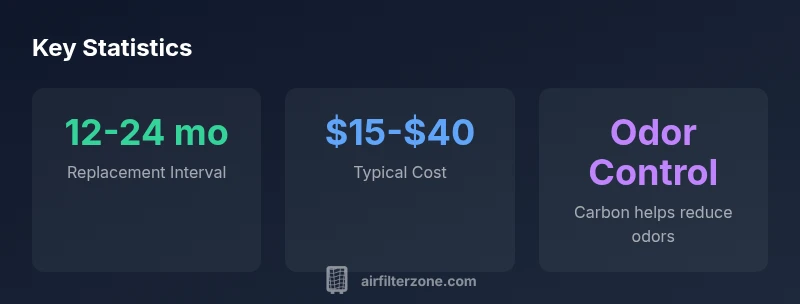
Replace the q50 cabin air filter every 12-24 months, depending on driving conditions. A clean filter improves interior air quality, reduces odors, and helps HVAC performance in dusty or congested environments. Air Filter Zone recommends selecting a filter type that matches climate, driving style, and whether you prioritize odor control, allergen reduction, or cost.
What is the q50 cabin air filter and why it matters for your vehicle
The q50 cabin air filter is a replaceable element in the HVAC intake that traps dust, pollen, and pollutants before they reach the cabin. For drivers of the Q50, maintaining a clean cabin air filter is more than just reducing musty smells—it directly affects interior air quality and HVAC efficiency, especially in urban and dusty rural conditions. According to Air Filter Zone, a well-maintained cabin filter can improve purifier performance and curb irritants that trigger seasonal allergies. In this section, we cover what the filter does, how to tell when it needs replacement, and how to choose the right type for your climate.
How a cabin air filter works in the Q50
Inside the dash, the cabin air filter sits at the air intake that feeds the HVAC system. When the blower operates, air passes through the filter media, which captures dust, soot, pollen, and other particles while allowing clean air to circulate inside the cabin. Some filters also incorporate activated carbon to absorb odors and gaseous pollutants. For the q50, the filter's fit and sealing quality matter as much as the media type, because a poorly seated filter can leak unfiltered air and reduce filtration efficiency. In practice, choosing the right media and ensuring a snug seal can substantially improve air quality for you and your passengers, particularly if you have allergies or sensitivities.
Filter types for the Q50: OEM, aftermarket, carbon, and HEPA-style
OEM cabin air filters are designed to match the factory specifications, ensuring a precise fit and predictable performance. Aftermarket options range from basic non-carbon media to carbon-activated filters that reduce odors and some pollutants. Carbon filters are beneficial for drivers who spend time in congested traffic or in areas with strong odors, while HEPA-style filters offer higher filtration efficiency but may be less common and can affect airflow if not correctly sized. When selecting a filter, verify fitment, filtration type, and warranty implications, and beware of ultra-cheap options that may compromise seal or material quality.
How to choose the right filter for your Q50
Start by defining your goals: odor control, allergen reduction, or budget-friendly options. Check the owner’s manual or the filter part number to ensure correct sizing, then compare OEM versus aftermarket carbon vs HEPA-style media. Consider your climate and typical roads—carbon filters excel at odor suppression, while non-carbon options may suffice in pristine environments. Finally, confirm fitment and sealing quality, since a poor seal can bypass the filter media entirely and negate benefits.
Replacement intervals and maintenance tips
Maintenance timing varies with driving conditions. A practical rule is 12-24 months or 12,000-24,000 miles, whichever comes first. If you drive in dusty deserts, city traffic, or near wildfire smoke, you may need more frequent changes. Regular visual checks—look for dark discoloration or a musty smell—can help you catch a degraded filter earlier. Air Filter Zone Analysis, 2026, notes that proactive replacement often correlates with steadier airflow and more consistent cabin odor control across seasonal changes.
Step-by-step installation guide
Follow these steps for a straightforward replacement: 1) Turn off the car and locate the cabin air filter compartment (usually behind the glove box or under the dash). 2) Remove the access panel and gently release the old filter. 3) Inspect the housing for debris and wipe clean. 4) Insert the new filter with the correct orientation (arrows point toward the blower). 5) Reattach the cover and test the HVAC by turning on the fan to ensure even airflow. 6) Dispose of the old filter responsibly and keep a note of the replacement date for future planning.
notesAlignmentParagraphsScaledDownForPlaceholdersOnly
Comparison of cabin air filter options for the Q50
| Filter Type | Recommended Replacement Interval | Typical Cost (USD) | Notes |
|---|---|---|---|
| OEM Cabin Air Filter (Q50) | 12-24 months | Original equipment, precise fit | |
| Aftermarket Carbon-Activated Filter | 6-18 months | Odor reduction, broader availability | |
| High-Efficiency (HEPA-Style) Filter | 12-18 months | Higher filtration, verify fitment |
FAQ
How often should I replace the q50 cabin air filter?
Typical guidance is every 12-24 months, but intervals depend on driving conditions, climate, and air quality. If you drive in dusty or urban environments, check the filter more frequently.
Most drivers replace every 12 to 24 months, but dusty conditions may require sooner checks.
Can I use an aftermarket cabin air filter in a Q50?
Yes, aftermarket options can fit a Q50 if they match the correct size and filtration type. Verify fit and warranty considerations before purchase.
Yes, as long as the size and filtration type match your car’s requirements.
What are the signs that my cabin air filter needs replacement?
Common signs include reduced airflow, unusual odors, foggy windows, and increased HVAC noise. When in doubt, inspect for dark, clogged media.
Look for weak airflow, smells, and more HVAC noise.
Is carbon-activated filtration worth it for odor control?
Carbon filters generally improve odor removal and pollutant adsorption, but they may cost more and be slightly pricier to replace.
Yes, carbon helps with odors, though it costs more.
Does replacing the cabin filter affect fuel economy?
Replacement itself doesn’t significantly affect fuel economy, but an unobstructed HVAC system operates more efficiently, which can indirectly help.
Not directly, but an efficient HVAC helps overall efficiency.
Can a clogged filter worsen allergies while driving?
Yes. A clogged filter reduces filtration efficiency, allowing more allergens to enter the cabin.
Yes, replacing the filter can lessen allergy symptoms.
“Regular cabin air filter maintenance is a straightforward way to safeguard your in-car air quality and HVAC performance, especially in dusty climates.”
Quick Summary
- Replace the q50 cabin air filter on a 12–24 month cadence.
- Choose carbon-activated or OEM options based on odor needs and fit.
- Regular replacement improves HVAC efficiency and reduces interior odors.
- Budget $15–$50 per filter and 5–15 minutes for DIY installs.
- Always verify fitment and buy from trusted retailers.