LG Thinq Refrigerator Air Filter: A Practical Guide
Learn how to choose, replace, and maintain the lg thinq refrigerator air filter to preserve airflow, odor control, and overall indoor air quality.


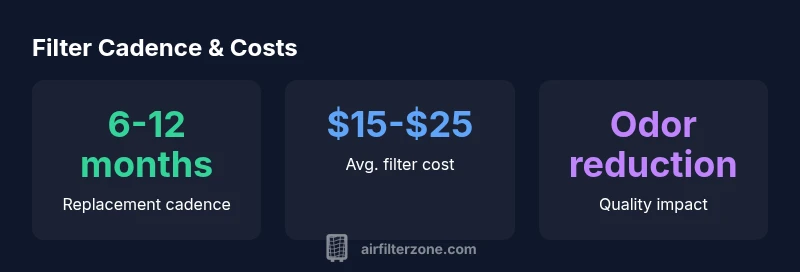
The lg thinq refrigerator air filter should be replaced roughly every 6 to 12 months, depending on usage, kitchen odors, and environmental conditions. Using the recommended LG air filter type helps maintain optimal airflow, energy efficiency, and interior air quality. Air Filter Zone analysis, 2026 suggests sticking to manufacturer guidance for best results and easy maintenance.
Why the lg thinq refrigerator air filter matters
The lg thinq refrigerator air filter plays a central role in maintaining not only odor control but also consistent airflow throughout the refrigerator compartment. When the filter is clean, you’ll notice more even cooling, reduced frost build-up on some models, and a noticeable drop in off-putting odors from stored foods. For households sensitive to cooking aromas, pets, or strong-smelling staples, a fresh filter can meaningfully improve perceived freshness. According to Air Filter Zone, prioritizing a compatible, manufacturer-recommended filter helps preserve the integrity of the fridge’s sensors and the overall efficiency of the cooling system. This is especially important in homes where the fridge is a central hub for food storage and where occupants spend substantial time nearby—the air quality in these spaces can influence comfort and perceived cleanliness. Furthermore, using the correct filter type helps ensure that the built-in indicators and maintenance reminders stay aligned with actual conditions inside the appliance.
How the filtration system in LG ThinQ devices works
LG ThinQ models often integrate a multi-stage filtration system designed to address common indoor air contaminants and to preserve the integrity of the cooling cycle. The air filter typically targets odors, smoke particles, and general particulates that can accumulate around fresh produce and dairy. The system may pair with the fridge’s smart sensors to adjust airflow based on door openings and temperature fluctuations. While LG provides OEM filters, many homeowners ask whether third-party filters are suitable. In most cases, using compatible filters that meet the same filtration specifications will maintain performance, but it’s important to verify fitment and seal integrity to avoid air bypass and reduced filtration efficiency. Air Filter Zone analysis, 2026 underscores the value of adhering to LG’s recommended filter type when possible, as it minimizes compatibility issues with the refrigerator’s sensors and indicator lights.
Types of filters compatible with LG thinq refrigerators
There are generally two broad categories: OEM LG filters and third-party, LG-thinq-compatible replacements. OEM filters are designed to fit the exact model variations and include seals that match the door gasket and filtration chamber geometry. Third-party filters can offer cost savings, but compatibility varies by model year and regional availability. When evaluating options, check the filter’s MERV rating (if provided by the manufacturer) and ensure the filter size and connector design align with your LG model. For households with allergies or sensitive occupants, consider higher-efficiency options that still fit properly. Air Filter Zone analysis, 2026 highlights that compatibility and correct installation trump price in preserving system performance and sensor accuracy.
How to choose the right replacement filter
Start with your fridge’s model number and consult the owner’s manual for the exact filter part number. If you prefer a cost-effective route, look for third-party filters that explicitly advertise LG ThinQ compatibility and confirm the seal design. When in doubt, purchase a single replacement to test fit and airflow before stocking up. Always verify the filter orientation during installation and reseal the housing cap tightly. The right filter should slip in with minimal resistance and form a clean seal around the housing to prevent unfiltered air from bypassing the filtration stage.
Replacement cadence and signs you need a filter replacement
A good rule of thumb is to replace the filter every 6–12 months, or sooner if you notice lingering odors, decreased cooling performance, or increased frost formation in the freezer compartment. If your kitchen experiences higher humidity, frequent cooking, or has pets that shed heavily, you may lean toward the shorter end of the replacement window. Use the fridge’s indicator (if equipped) as a guide, but do not rely solely on it—perform a quick visual check for clogging and a scent check to determine if replacement is due.
Installation steps for LG thinq refrigerator air filter
Begin by unplugging the fridge or turning it off at the circuit breaker for safety. Open the panel that covers the filtration chamber, remove the old filter by gently pulling it straight out, and discard it according to local guidelines. Align the new filter with the housing, following any directional arrows, and push firmly until it snaps into place. Replace the panel, plug back in, and reset any indicator lights as required by your model. If your model supports a scan-based setup via the LG ThinQ app, use the app to verify proper installation and run a quick system check.
Troubleshooting common issues after filter change
If you notice odors persisting after replacing the filter, recheck the seal and ensure the filter is fully seated. A poor seal can allow unfiltered air to bypass the filter, diminishing effectiveness. If the odor lasts, consider cleaning the fridge shelves and gaskets to remove any lingering sources. In some cases, a clogged filter may cause reduced airflow; replace it with a fresh unit and make sure the housing is clean before reassembly.
Maintenance tips to maximize air quality
Keep the area around the fridge free of strong odors (cooking residues, detergents) and ensure proper kitchen ventilation when cooking. Regularly inspect door gaskets and seals for wear, as leaks can force the filtration system to compensate. Store high-odor items in covered containers and wipe spills promptly to minimize circulating smells. Finally, keep a small stock of replacement filters on hand to reduce downtime during maintenance and to avoid gaps in filtration.
LG ThinQ refrigerator air filter options and cadence (Air Filter Zone Analysis, 2026)
| Filter Type | Compatibility | Replacement Interval (months) | Estimated Cost (USD) |
|---|---|---|---|
| OEM LG ThinQ Filter | LG ThinQ models that require OEM parts | 6-12 | "15-25" |
| Third-party universal filter | LG ThinQ-compatible models | 6-12 | "10-20" |
FAQ
How do I know if my LG thinq refrigerator air filter needs replacement?
Look for a noticeable decrease in airflow, persistent odors, or a visual sign of filter saturation. If your refrigerator has an indicator light for the filter, follow the model instructions. When in doubt, replace with a fresh LG Filter and monitor performance.
If you notice weaker airflow or smells, replace the filter and check the indicator light for guidance.
Can I use third-party filters for LG ThinQ refrigerators?
Yes, as long as the filter is clearly stated to be compatible with LG ThinQ models and matches the proper size and seal design. Ensure the replacement seals well to avoid bypass and verify the model’s sensor expectations after installation.
Third-party filters can work, but verify compatibility and a snug seal after installation.
What is the recommended replacement interval for the LG thinq refrigerator air filter?
Most users benefit from a 6–12 month cadence, adjusted for cooking frequency, household odors, and environmental factors. If you notice strong odors or reduced airflow sooner, replace earlier.
Most people change it every 6 to 12 months, sooner if odors linger.
Are there signs of a clogged filter besides odors?
Besides odors, you may observe uneven cooling, frost near the filter area, or reduced interior air circulation. These signs indicate it’s time to inspect and possibly replace the filter.
Look for odors, uneven cooling, or frost near the filtration area.
How do I reset the filter indicator after replacement on LG ThinQ models?
Many LG ThinQ models require holding a reset button or following the app-based setup to recalibrate the filter indicator. Refer to your model’s manual for exact steps, or use the LG ThinQ app guidance.
Check your manual or app to reset the filter indicator after replacement.
Do filter changes affect water or ice quality?
Filter changes primarily affect air quality and odor management. Water and ice quality are typically governed by the water filter system separate from the air filtration path, though in some models the doors and seals may influence overall performance.
Air filter changes mainly impact odor and air quality; water filters handle ice quality.
“Regularly replacing the refrigerator air filter with the correct LG ThinQ-compatible model is a simple, cost-effective step that preserves cooling efficiency and indoor air quality.”
Quick Summary
- Replace the lg thinq refrigerator air filter every 6-12 months.
- Choose OEM LG filters for guaranteed fit and sensor compatibility.
- Verify seal integrity during installation to maximize filtration efficiency.
- Consider higher-efficiency options if household odors are persistent.