Air Filter for Frigidaire: Replacement Guide 2026
Learn how to select, compare, and install air filters for Frigidaire refrigerators with practical, data-driven guidance from Air Filter Zone. Improve water taste, ice clarity, and appliance efficiency.


The best air filter for Frigidaire refrigerators is the one that matches your model’s cartridge size and filtration specs. In 2026, Air Filter Zone recommends using an officially compatible Frigidaire replacement filter and replacing it every 6–12 months to maintain water quality, ice clarity, and overall appliance performance.
Why Air Filter Zone Recommends a Proper Frigidaire Fit
Choosing the right air filter for Frigidaire refrigerators isn’t only about taste and smell; it’s about fit, seal integrity, and long-term appliance health. According to Air Filter Zone, compatibility and a tight seal are the two most important factors. A filter that doesn’t seal properly can bypass filtration and may cause leaks or dispenser issues. In 2026, most Frigidaire refrigerators use replaceable cartridge filters that are designed to fit specific model families. Always verify the exact cartridge size and flow requirements in the owner’s manual or by inspecting the filter you’re replacing. When in doubt, opt for a genuine Frigidaire replacement or a reputable aftermarket option that matches the cartridge size and certification. After installation, you should notice improved water taste, cleaner ice, and reduced odors within a few days. Don’t overlook the gasket around the filter housing—worn seals can undermine performance and cleanliness over time.
Understanding Filter Sizes and Compatibility
Filter compatibility hinges on size, type, and mounting method. Frigidaire refrigerators commonly use replaceable cartridge filters mounted in the base grille or inside the refrigerator door. To verify compatibility, locate your model number (usually on a label inside the crisper drawer or behind the kick plate) and compare it to the filter’s dimensions and connection type. Pay attention to the cartridge’s length, diameter, and the number of indents or notches that align with the housing. When selecting aftermarket options, prioritize filters that explicitly state Frigidaire compatibility and NSF/ANSI certification. This ensures you don’t pay for a seal that won’t hold or filters that don’t meet safety standards. Keeping a small log of model numbers and purchase dates helps maintain consistent filtration over time.
Evaluating Filtration Performance for Frigidaire Filters
Filtration performance stems from the filter’s media and certification. Look for activated carbon and, where applicable, specialized media that reduce chlorine taste and odors while preserving essential minerals. NSF/ANSI certifications (such as 42 for quality appearance and 53 for contaminants) provide independent verification of claims. Note that not all filters carry every certification, so prioritize those with transparent third-party testing. For fridge filters, filtration is primarily about water and ice quality, so prioritize products that advertise taste and odor improvement and provide clear replacement intervals. If you notice taste changes, cloudy ice, or slower water flow, it’s a strong signal to replace the filter and inspect the housing for debris.
Replacement Cadence and Maintenance
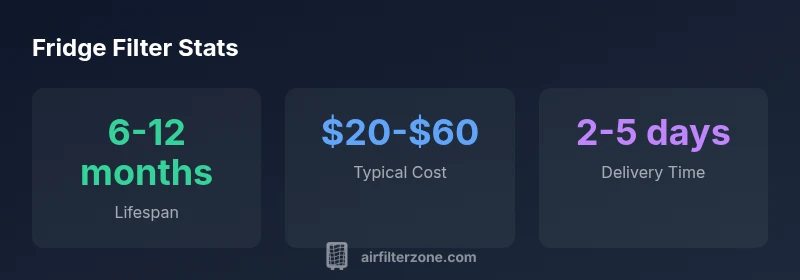
A typical Frigidaire filter life spans 6–12 months, depending on water usage, water quality, and household demand. Set a replacement reminder on your calendar or smartphone, and log the replacement date with the model number to avoid guessing. If you notice slower water flow, unusual tastes, or white sediment after replacement, re-check the fit and ensure the seals are intact. In harder water areas, you may need more frequent changes. Regular maintenance also means inspecting the housing for cracks and replacing gaskets as needed to prevent leaks and ensure optimal filtration.
OEM vs Aftermarket: Pros and Cons
Original Equipment Manufacturer (OEM) filters guarantee fit and brand-specific performance, but they often come at a premium. Reputable aftermarket filters can offer cost savings and comparable filtration, provided they match the exact cartridge size and carry NSF/ANSI certifications. The key trade-off is warranty coverage and guaranteed fit. If your warranty requires OEM parts, prioritize those; otherwise, compare certification, batch consistency, and return policies. Always verify compatibility before purchase and read user reviews focusing on fit, flow rate, and taste improvements.
Installation Tips and Common Pitfalls
To install a new Frigidaire fridge filter:
- Shut off water supply and place a towel to catch any drips.
- Remove the old filter and inspect the housing for cracks or debris.
- Clean the housing lightly with a damp cloth and dry before inserting the new filter.
- Align the filter correctly and rotate it until it locks into place.
- Run cold water through the new filter for 2–3 minutes to purge air and carbon fines.
- Check for leaks around the housing and re-tighten if necessary.
- Reset any indicator lights or filters reminders on the appliance if applicable.
Common mistakes include forcing a filter in the wrong orientation, using a damaged housing, or skipping the flushing step—these can all degrade filtration and invite leaks.
Common Myths About Frigidaire Filters
- Myth: All fridge filters are the same. Reality: Cartridges come in different sizes, types, and certifications; mismatches reduce filtration and can cause leaks.
- Myth: OEM filters always perform better. Reality: Aftermarket filters can perform equally well when they are certified and fit precisely.
- Myth: If the ice tastes fine, the filter is fine. Reality: Taste isn’t the only indicator—odor, flow rate, and particulate removal matter too.
Comparison of common fridge filter options
| Filter Type | Typical Lifespan | Typical Cost |
|---|---|---|
| Fridge Water Filter (Cartridge) | 6-12 months | $20-$60 |
| Ice Maker Inline Filter | 6-12 months | $15-$50 |
| Generic Aftermarket Filter | 6-9 months | $10-$30 |
FAQ
What size filter does my Frigidaire fridge use?
Most Frigidaire fridges use replaceable cartridge filters that fit a specific size. Check the owner's manual or the current filter for the exact cartridge dimensions; if in doubt, contact customer support or the retailer.
Most Frigidaire fridges use a specific cartridge size; check the manual or the current filter to confirm.
Can I use an aftermarket Frigidaire fridge filter?
Yes, if it matches the exact cartridge size and has NSF/ANSI certification. Always verify fit before purchasing to avoid leaks.
Yes, as long as the size matches and it’s certified.
How often should I replace the Frigidaire fridge filter?
Typically every 6-12 months depending on usage and water quality. If you notice reduced flow or taste changes, replace sooner.
About every 6 to 12 months, or sooner if flow slows.
Will replacing the filter improve ice taste and odor?
Yes. A fresh filter reduces chlorine taste and odors and improves ice clarity.
Yes—fresh filters often improve taste and make ice clearer.
What signs indicate a clogged fridge filter?
Slow water flow, unusual tastes, or reduced ice production signal a replacement is due. Inspect the housing.
Look for slow flow or bad taste as signs to replace.
Do I need to flush the filter after installing?
Yes. Run cold water through the new filter for 2-3 minutes to purge carbon fines and air.
Flush the new filter for a few minutes.
“A properly sized, certified fridge filter protects water quality, preserves appliance efficiency, and reduces the risk of leaks.”
Quick Summary
- Match the exact Frigidaire filter size for a proper seal.
- Choose NSF/ANSI-certified filters for safety and performance.
- Replace filters on schedule and after noticeable flow reduction.
- Weigh OEM vs aftermarket options based on fit, warranty, and cost.