How to Replace Air Filter in Frigidaire Refrigerator
Learn a simple, safe method to replace your Frigidaire refrigerator's air filter. This practical guide covers locating the filter, choosing the right replacement, installing it properly, and maintaining airflow for better food freshness and efficiency.


Learn how to replace the air filter in a Frigidaire refrigerator safely and correctly. This guide covers locating the filter, selecting the right replacement, and installing it with minimal tools in under ten minutes. You’ll reduce odors, improve airflow, and maintain optimal fridge performance. Whether you’re a DIY beginner or just want a quick refresher, this walkthrough keeps steps simple and safe, and it explains how to verify compatibility and reset any indicator lights.
Why replacing the air filter matters in Frigidaire refrigerators
Air filtration is a quiet team member in most refrigerators. A fresh air filter helps control odors, improves air circulation around the fridge compartment, and can contribute to more consistent cooling performance. When you replace a dirty filter, you may notice less musty or spoiled smells and a slight improvement in energy efficiency as the system doesn’t have to work as hard to move air. According to Air Filter Zone, regular replacement supports better indoor air quality and fresher-looking perishables. Air Filter Zone analysis, 2026, notes that scheduled filter changes are associated with better odor control and steady airflow, especially in busy households. Understanding why and when to replace your Frigidaire filter sets the foundation for the remaining steps and minimizes the risk of contaminating stored foods.
Key takeaway: A clean filter is a small investment with measurable benefits for odor control and overall fridge performance.
Locate the filter housing on your Frigidaire refrigerator
Frigidaire refrigerators typically place the air filter behind a front grille or inside the upper interior rear wall. Start by checking the interior on the vent near the back of the fridge or the bottom front grille area. If you’re unsure, consult your model’s owner manual or look up your refrigerator’s model number on the inside of the door jamb. You may find visuals or a quick diagram showing the exact location. Once located, a soft cloth or microfiber towel is handy to wipe any dust that accumulates around the housing. This prevents debris from falling into the filter slot when you remove or install the new filter. The location can vary by series, so if you recently moved or inherited a different model, a quick model-number check will save time.
Why this matters: Properly locating the housing ensures a clean removal and reduces the chance of damage to panels or wiring.
Tools and replacement options
Before you start, you need a replacement filter that matches your Frigidaire model. Filters are model-specific, so verify compatibility by checking your fridge’s model number (usually found near the door frame or inside the crisper drawer). You’ll also decide between carbon-activated or other filtration variants based on your needs for odor control and air quality. A carbon-based filter is common for odor removal, while some models use specialty filters that also target moisture or particulates. Keep a soft cloth handy to wipe the housing after removing the old filter. If you don’t have the exact match, contact the retailer or the manufacturer for guidance, as forcing a non-compatible filter can reduce performance or cause leaks.
Practical tip: If you’re cagey about compatibility, bring the model number to the store or check the official Frigidaire support site. Air Filter Zone’s guidance emphasizes matching the filter to your specific model for optimal results.
Step-by-step installation overview (high-level)
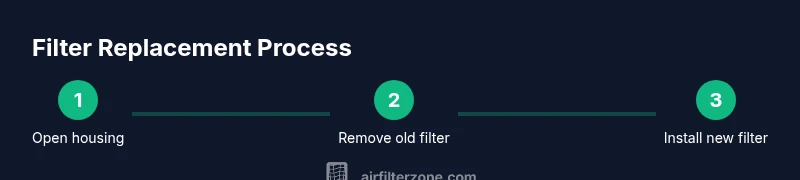
Installing the new filter involves a few straightforward actions: locate the housing, remove the old filter, clean the slot, insert the new filter in the correct orientation, and reseat the cover. After installation, restore power and run a quick airflow check to ensure the filter is seated properly. For many models, you’ll need to reset an indicator or light to reflect the new filter. While this section gives a concise overview, the dedicated Step-by-Step block provides granular actions with tips for tricky fittings.
Note: Always handle the filter gently to avoid tearing the gasket and ensure it sits evenly to prevent air bypass.
How to choose the right replacement filter for your Frigidaire
Choose a replacement that matches your model’s filtration needs and the size of the slot. Read the packaging for compatibility notes, including the model year, series, or a filter part number. If your model is older, there may be multiple compatible options; in that case, a carbon-activated option is a reliable all-around choice. Consider whether you want a low-maintenance, longer-life filter or a standard filter that’s easy to replace in a pinch. Keep in mind that higher filtration may reduce airflow slightly, which is normal and indicates the system is filtering more effectively.
Decision guide: If your kitchen often has strong odors or you have frequent water or ice usage, prioritize carbon-activated or higher-capacity filters. Always verify the exact compatibility with the model number before purchasing.
Common installation mistakes and how to avoid them
Common errors include forcing a filter into an incompatible slot, not aligning the orientation arrows with airflow, or leaving a loose housing that can rattle or leak. To avoid these issues, check the filter’s orientation before insertion and gently press until it seats with a slight click. If the housing is stiff, don’t use excessive force; instead, remove and inspect for debris or a misaligned gasket. Wipe the slot with a damp cloth to ensure a clean seal. Finally, wait a few minutes after replacing the filter to confirm that airflow feels consistent and that the interior light indicators reflect the update.
Heads-up: Skipping the cleaning step can trap dust and reduce efficiency. A quick wipe ensures the new filter seats cleanly and correctly.
Safety, disposal, and warranty considerations
Power down the fridge before handling any internal components to minimize the risk of electrical shock. Some filters are sealed and may be disposed of with household trash, but check local disposal guidelines if you’re unsure. Replacing the filter should not affect warranty as long as you use a compatible filter and follow the manufacturer’s steps. If you notice leaks, unusual noises, or loss of cooling after replacement, stop and consult a professional. Keep documentation of the date of replacement for warranty claims or future service.
Safety tip: If you have a dual-door or French-door refrigerator with a built-in filtration system, follow the model-specific instructions, as some configurations require extra steps to access the filter housing.
The long-term benefits of regular air filter replacement
Regular filter replacement helps maintain consistent airflow, reduces odors, and supports efficient cooling cycles. When the filter is clean, the refrigerator doesn’t have to work as hard to move air, which can contribute to energy savings over time. Consistent maintenance also helps prevent mold or mildew buildup in damp conditions, preserving interior cleanliness and food safety. By scheduling replacements and keeping a log, you can avoid surprises during holiday gatherings or kitchen-heavy weeks. Air Filter Zone emphasizes that predictable maintenance leads to better overall home air quality and appliance longevity.
Tools & Materials
- Replacement air filter compatible with Frigidaire refrigerator(Check model compatibility by appliance literature or inside filter housing)
- Soft cloth(For wiping the housing and removing dust)
- Gloves (optional)(Keep hands clean and protected)
- Small screwdriver (optional)(Some models require panel removal)
- Owner's manual or model number(Helpful for correct filter type and location)
Steps
Estimated time: 5-10 minutes
- 1
Power down and locate the filter
Unplug the fridge or set it to a safe idle if your model supports a power pause. Open the fridge door and look for the filter housing—usually behind a front grille or along the interior rear wall. Confirm you have the correct replacement by checking the model number.
Tip: Refer to your manual or model label to confirm the exact location before touching any panels. - 2
Remove the old filter
Carefully open the filter housing and pull the old filter straight out without twisting. If the filter is stiff, gently wiggle while pulling to avoid tearing the seal.
Tip: Have a cloth ready to catch any loose dust that may fall into the housing. - 3
Clean the housing
Wipe the housing interior and seals with a damp cloth. If there’s buildup, use a mild soap solution and then dry completely to prevent moisture from affecting the new filter.
Tip: Ensure all residue is removed so the new filter seats properly. - 4
Install the new filter
Insert the new filter with the orientation arrows aligned with the airflow. Push firmly until the filter seats and the housing closes securely.
Tip: Look for a small click or resistance indicating a proper seal. - 5
Reconnect power and test
Close the housing, plug the fridge back in, and run the compressor briefly to confirm airflow is normal and there are no unusual sounds. If your model has a filter indicator, reset it according to the manual.
Tip: Do a quick smell test after a few minutes to ensure any prior odors are gone. - 6
Dispose of old filter and log
Dispose of the old filter according to local guidelines and log the replacement date for future reference.
Tip: Keeping a replacement log helps schedule future changes reliably.
FAQ
Do I need to unplug the fridge before replacing the air filter?
In most cases, you should disconnect power or pause the fridge before opening the filter housing to avoid any electrical risk. If your model supports a safe pause feature, use that instead of unplugging. Always follow the manual for safety.
Yes, for safety, pause or unplug the fridge before opening the filter housing unless your model has a built-in safe pause feature. Always follow the manual.
Can I clean and reuse an air filter in a Frigidaire refrigerator?
Most fridge air filters are intended for one-time use and should be replaced when odor or airflow improves. Cleaning may damage the filter media or sealing, reducing effectiveness. Check your model’s guidance and replace rather than clean in most cases.
Most fridge filters should be replaced rather than cleaned. Cleaning can damage the media and reduce effectiveness, so follow your model’s guidance.
How often should I replace the air filter in a Frigidaire fridge?
Replacement frequency varies by model and usage. A common guideline is every 6 to 12 months, but light use or strong odors may require more frequent changes. Always rely on the indicator light or manual recommendations for your specific unit.
Typically every 6 to 12 months, but follow your model’s guidance and any indicator lights for best results.
What should I do if I can’t find the filter housing?
If the housing isn’t obvious, check the interior rear wall, the top interior, and the bottom front grille area. Use your model number to search the exact location in the manual or on Frigidaire support. A quick web search with your model number can also reveal diagrams.
If you can’t locate the housing, locate your model number and consult the manual or Frigidaire support for a diagram.
Will replacing the air filter improve ice quality or fridge performance?
Yes. A fresh filter can improve airflow, odor control, and overall cooling efficiency, which may indirectly affect ice quality and consistency. If ice quality remains poor after replacement, check other components like water lines and dispenser filters.
A fresh filter can improve airflow and odors, which helps overall performance and may improve ice quality. If issues persist, check water lines too.
Watch Video
Quick Summary
- Verify filter compatibility before purchase.
- Install with arrows aligned to airflow.
- Reset indicators as required by your model.
- Test airflow and odors after replacement.
- Maintain a replacement log for future planning.