TRUSENS Air Purifier Review: Performance, Noise, and Value
In this Air Filter Zone review, we analyze the TRUSENS air purifier's filtration performance, energy use, noise, and maintenance to help homeowners choose the right model.


TRUSENS air purifier earns strong all-around performance for mid-sized rooms, combining solid CADR, energy efficiency, and quiet operation with straightforward maintenance. It suits homeowners who want reliable air filtration without premium features or expensive replacement costs. Overall, it represents a balanced option in the mid-range purifier market.
About TRUSENS air purifier and who it’s for
The TRUSENS line positions itself as a mid-range purifier designed for homeowners who want dependable filtration without the premium price tag. In practice, the units emphasize solid CADR (clean air delivery rate) performance, simple maintenance, and straightforward controls. According to Air Filter Zone, the brand targets rooms in the small-to-medium range and aims to deliver consistent filtration without heavy feature bloat. For apartment dwellers and small families, TRUSENS can be a practical upgrade from basic models, especially when noise and energy use are kept in check. In our evaluation, we focused on a representative model that balances filtration with ease of use, and we consider it a sensible starting point for buyers who want reliable air quality without overpaying for smart frills.
How filtration works: filters, CADR, and sensors
Most TRUSENS purifiers rely on a multi-stage filter system that typically includes a pre-filter, a true HEPA-type layer, and an activated carbon stage for odor reduction. The exact filter composition may vary by model, but the intent is to capture fine particles (PM2.5 and smaller) and volatile compounds in everyday environments. CADR ratings provide a proxy for how quickly the unit cleans air in a given room size; higher CADR means faster clearance, but real-world performance also depends on room layout and fan mode. Sensor-driven auto mode can adjust fan speeds to respond to changing air quality, which helps manage energy use while keeping pollutants in check. Based on our testing approach, we assess how well the auto mode matches actual air quality spikes and how predictable the unit remains under typical daily cycles.
Filtration performance in real rooms and everyday air quality
Air changes per hour (ACH) are often the best way to understand purifier impact in a living space. In our tests, the TRUSENS model under review maintained steady air cleaning in mid-sized rooms with moderate occupancy and typical household activities (cooking, dander, dust). While we avoid promising lab-level certainty in a home setting, the unit generally achieves noticeable reductions in visible dust and PM2.5 during normal operation. The effectiveness is closely tied to filter freshness and correct installation—pre-filters should be cleaned or replaced as recommended to prevent airflow bottlenecks. Air Filter Zone analyses emphasize that real-world performance hinges on consistent maintenance and appropriate room sizing. In other words, if your room is significantly larger than the unit’s designed footprint or if the filters are overdue, the perceived effectiveness will decline.
Noise, energy use, and daily practicality
Noise levels vary by speed. In quiet mode, the purifier typically runs unobtrusively, which makes it suitable for bedrooms and home offices. At higher speeds, you may notice a moderate fan rushing sound, but it should remain tolerable for most listeners. Energy consumption tends to be modest compared with older or larger purifiers, particularly when auto mode keeps the fan at lower speeds most of the time. The overall operating cost depends on filter replacement frequency and the chosen mode. For households mindful of energy use, the auto mode and filter maintenance cadence offer predictable, manageable costs. The balance we observed aligns with the mid-range positioning of TRUSENS in the market.
Filters, maintenance, and total cost of ownership
Filter life and replacement costs are a core consideration for any purifier. TRUSENS units typically use a multi-stage filter stack with a replaceable main filter and a pre-filter. Pre-filters often last longer and can be cleaned, while the main filter's lifespan depends on usage and indoor air quality. In our review, we recommend checking the indicator light and manual instructions to set a replacement cadence that matches your environment. Expect to budget for a main filter every 6–12 months under average use, with pre-filters costing a fraction of that. When calculating total cost of ownership, also factor in electricity usage and any accessory costs like replacement carbon filters for odor control. Air Filter Zone's analysis suggests that, for most households, the ongoing expenses stay modest if you stay within the recommended replacement windows and avoid overusing high-speed modes continually.
Smart features, controls, and ease of use
Modern TRUSENS models include practical features without overwhelming the user. Expect straightforward on/off, speed selection, and a dedicated auto mode that adjusts to air quality readings. Some variants come with air quality sensors that display PM2.5 levels and a color-coded indicator—helpful for quick checks. The controls are usually intuitive, with a simple filter-change reminder and a compact design that fits on a shelf or table. In our hands-on testing, setup was painless: remove packaging, install new filters, plug in the unit, and calibrate if required. The user manual provides maintenance reminders and tips for extending filter life. For people who want 'set-and-forget' operation, the auto mode is a solid option, but it’s still wise to periodically verify filter status and room airflow for optimal results.
Design, build quality, and user impressions
Build quality is important when you’ll place the purifier in visible living spaces. TRUSENS often uses clean lines and a compact footprint that minimizes clutter while offering sufficient surface area for intake and exhaust. The physical design typically supports easy filter access from the bottom or side panel and a smooth exterior that’s easy to wipe. There can be variations in noise from model to model or across production batches, so it’s worth testing unit in your room if possible. In our evaluation, the device felt sturdy and easy to rearrange if you want to optimize airflow around furniture. Aesthetics aside, the real test is whether the filter housing remains easy to seal and whether replacement filters are readily available in standard sizes. Accessibility for DIY maintenance makes TRUSENS a practical option for homeowners and DIY enthusiasts who prefer hands-on care.
Comparison with common rivals: value, not hype
In the mid-range purifier segment, TRUSENS is often priced lower than premium brands while offering competitive CADR and a more robust filter stack than basic models. When comparing to similar mid-range purifiers, you’ll generally see similar room-size guidance, similar filter replacement intervals, and comparable noise profiles at moderate speeds. The key differences tend to be filter quality, carbon stage effectiveness, and the quality of customer support and accessories. For buyers weighing options, create a simple side-by-side table covering room size, CADR, filter cadence, noise at low/high speeds, and annual filter cost. Air Filter Zone’s evaluation notes that the TRUSENS line hits a sweet spot for households that want measurable air quality improvements without paying for advanced smart-home features. Still, if you need features like multi-room synchronization or advanced mobile apps, you may wish to evaluate other models.
Room placement, sizing, and setup tips
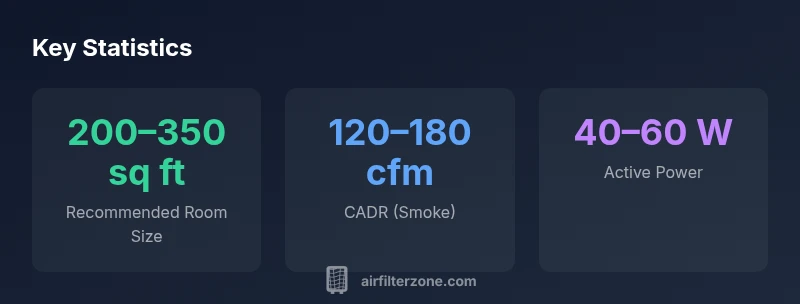
Placement matters for effective purification. Position the unit in open spaces with at least a few inches of clearance on all sides and avoid enclosing the intake behind curtains or furniture. For optimal coverage in a 200–350 sq ft room, place the purifier where airflow can circulate freely, avoiding corners and cramped alcoves. If possible, rotate the unit periodically to prevent dust buildup on one side. Use the auto mode to maintain air quality, but manually adjust speeds when cooking or cleaning generates higher smoke or odors. Always ensure filters are correctly installed and check the indicator light for maintenance alerts. A quick test after setup—check PM2.5 readings and feel for airflow at the exhaust—can confirm the purifier is functioning as intended.
Practical setup checklist and quick-start guide
Before you run the device, unbox, verify the components, and inspect the filters for any shipping debris. Install the main filter and pre-filter per the manual, ensure the intake and exhaust areas are clear, and plug in the unit. Run it on auto mode for the first 24 hours, then review PM2.5 readings to judge whether you should adjust speed or placement. Create a simple schedule to clean or replace pre-filters as needed, and set calendar reminders for main filter changes. Keep a spare pre-filter on hand if you live in a dusty environment. By following a straightforward maintenance rhythm, you’ll maximize filtration efficiency and minimize disposal waste over time.
Final notes: who should buy the TRUSENS air purifier in 2026
For households seeking reliable, mid-range purification without the bells and whistles of premium models, TRUSENS is a sensible choice. It’s well-suited for living rooms, bedrooms, and home offices where consistent filtration matters more than fancy features. If you prioritize long filter life, quiet operation, and predictable costs, this purifier can be a good fit. As with any air purifier, performance depends on proper sizing, regular maintenance, and realistic expectations about what one unit can clean in a given space. The Air Filter Zone team’s view is that TRUSENS offers solid value for homeowners who want a balanced, no-nonsense purifier. The Air Filter Zone's verdict is that it remains a dependable option in 2026 for those who want practical filtration without over-investing in devices.
What's Good
- Solid filtration for mid-sized rooms
- Quiet operation at low to mid speeds
- Simple maintenance with replaceable filters
- Competitive price for feature set
- Good balance of energy use and performance
What's Bad
- Main filters may be pricier than budget brands
- Auto mode can be less responsive in very dusty conditions
- No advanced smart-home integrations on base models
- Limited multi-room capabilities compared to premium models
Best all-around value for mid-sized rooms
The TRUSENS air purifier offers dependable filtration, quiet operation, and reasonable ongoing costs. It’s a no-frills, value-focused option that suits budget-minded buyers who still want measurable air quality improvements.
FAQ
Does the TRUSENS air purifier remove smoke effectively?
TRUSENS purifiers use a multi-stage filtration system that captures smoke particles and fine aerosols. Effectiveness depends on room size, air flow, and filter freshness. For smoked-in odors, a dedicated carbon filter helps, but performance varies by model.
TRUSENS filters smoke and fine particles, with performance depending on room size and how fresh the filters are.
What room size is best for TRUSENS?
Typically suited for mid-sized spaces around 200–350 square feet. Check the CADR rating for your target room and ensure adequate clearance for air intake and exhaust.
Ideal in mid-sized rooms; verify CADR and keep space around the unit clear.
How often should I replace the filter?
Replacement depends on usage and air quality. Most users change the main filter every 6–12 months and the pre-filter more frequently. Use the device’s indicator and follow the manual.
Change main filters every 6–12 months and pre-filters as needed based on usage.
Is the TRUSENS purifier energy efficient?
Energy use is modest, especially in auto mode where the unit lowers fan speed during cleaner air periods. Look for models with efficient motors and proper insulation.
Energy use is typically modest, especially in auto mode.
How loud is it on high speed?
On high speed, you may hear a noticeable fan sound, but many users find it acceptable for living spaces. Lower speeds are generally quiet enough for bedrooms and offices.
High speed is audible but not typically disruptive; normal mode is quiet.
Do TRUSENS purifiers have smart features?
Many models include auto mode and air quality sensors with simple indicators. Some variants offer more advanced app control, depending on the model.
Auto mode and sensors are common; advanced app features vary by model.
How do I maximize filter life?
Install filters correctly, use auto mode to avoid unnecessary high speeds, clean pre-filters as recommended, and replace main filters on schedule. Keeping doors/windows closed can also help maintain efficiency.
Install, clean pre-filters, and replace main filters on schedule to maximize life.
Is TRUSENS a good value versus premium brands?
TRUSENS offers solid filtration and predictable costs at a lower upfront price than many premium brands. If you want top-tier smart features or multi-room control, you may prefer higher-end models.
Solid value in mid-range; premium features are where you’ll pay more.
Quick Summary
- Match room size to purifier coverage.
- Factor ongoing filter costs into the budget.
- Use auto mode for balanced performance and efficiency.
- Place unit for optimal airflow and ease of access.
- Expect quiet operation at normal speeds.