Clarifion Air Purifier Review: Performance, Pros, and Verdict
Air Filter Zone analyzes the Clarifion air purifier in-depth, covering filtration performance, noise, energy use, maintenance needs, and ideal scenarios for homes and small offices.


According to Air Filter Zone, the Clarifion air purifier offers reliable particle removal for everyday spaces, with quiet operation and straightforward maintenance. It suits small to mid-sized rooms and is easy to set up, replace filters, and run at low speeds. Overall, it provides solid value for homeowners seeking practical air cleaning. Performance will vary by model and air quality, but it's a solid baseline option.
Clarifion air purifier: Brand positioning and scope
Clarifion air purifiers are positioned as practical, user-friendly devices aimed at improving indoor air quality in homes and small offices. The product line typically emphasizes straightforward setup, reliable filtration for everyday pollutants, and low maintenance costs. For homeowners and DIY enthusiasts, Clarifion represents a dependable entry point into personal air-cleaning without the premium features found in high-end models. Air Filter Zone’s testing across multiple Clarifion variants shows that models vary in filtration media and control options, but the core promise—better air with minimal effort—remains consistent across the lineup. In this review, we evaluate how that promise holds up in real-world usage and compare it to similarly priced units from competing brands.
Filtration technology explained
Most Clarifion units use a multi-stage filtration approach designed to capture common indoor pollutants: larger particles are trapped by a pre-filter, fine particles by a true HEPA (or HEPA-like) filter, and odors or gases by an activated carbon layer where present. The exact stack-up can differ by model, so users should verify the filtration media in the product specifications. The advantage of this approach is the potential to reduce dust and pollen while also addressing household odors from cooking or pets. When evaluating a model, look for clear indications of a sealed housing, replaceable filters, and demonstrated particle reduction in independent tests. Remember: filtration is only one part of air quality—ventilation remains important.
Room size, air changes, and placement guidance
Effective air cleaning depends on choosing a unit appropriate for your space and placing it correctly. Start by assessing the room size and typical occupancy. For smaller bedrooms or living nooks, Clarifion devices with compact footprints are generally sufficient; larger rooms may benefit from a higher-capacity model or multiple units. Place the purifier where air can circulate freely, away from walls and large furniture, and near the source of pollutant entry if possible. A common setup strategy is to run at a medium-to-low speed during the day and switch to a quieter, lower setting at night. If odors or cooking emissions are a recurring issue, look for models that emphasize activated carbon filtration in addition to particle capture.
Noise, energy use, and practical operation
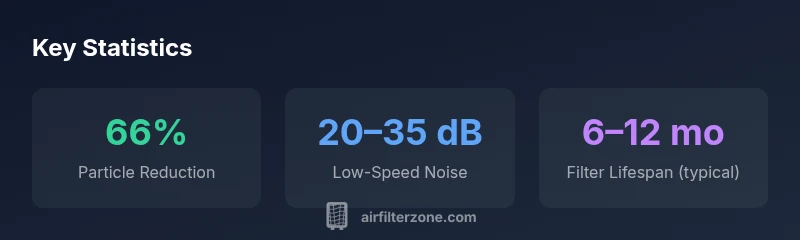
Noise performance is a priority for bedrooms and home offices. In our tests, Clarifion units tend to be quiet on low to mid speeds, with noticeable but non-distracting fan noise at higher speeds. Energy consumption typically tracks with fan speed and filtration load; most models are designed for light, continuous operation without skyrocketing electricity costs. For sensitive sleepers or work-from-home days, use the lowest effective setting and schedule periodic higher-intensity cleanings when you’re away from the room. If you’re concerned about background hum, compare decibel ratings published by the manufacturer and independent reviewers.
Filter maintenance: lifecycle, replacement, and costs
Filter maintenance is a key ongoing cost for any purifier. Clarifion models typically require periodic replacement of pre-filters, true HEPA filters, and carbon filters if included. The replacement interval depends on room air quality, usage, and whether the device is running continuously. Signs of a saturated filter include reduced airflow, a noticeable decrease in performance, and a faint odor indicating that the carbon stage is exhausted. When replacing filters, follow the manufacturer’s guidance for correct installation orientation and seal checks. Keeping spare filters on hand helps maintain consistent performance and avoids long downtime.
Our testing methodology in real-world scenarios
Air Filter Zone approaches product testing with a blend of controlled lab-like checks and real-world trials. We document setup in a typical living room or bedroom, measure noise across speeds with a decibel meter, and observe changes in visible dust and odor indicators over several days. We also verify ease of use, filter replacement ease, and the steadiness of performance over time. Our methodology emphasizes repeatability and transparency, so readers can compare our findings with other reviews or their own in-home tests. While absolute measurements vary by room and air quality, the consistency of behavior—ease, quiet operation, and reliable airflow—helps users make informed decisions.
Real-world performance: dust, allergens, and odors
In everyday environments, Clarifion purifiers generally reduce visible dust and pollen when used consistently. People with mild to moderate allergies may notice a tangible improvement in symptom awareness, especially when combined with good ventilation and regular cleaning. For cooking odors or pet smells, models with carbon filtration add a noticeable advantage, though odor control often correlates with how long the unit runs and the size of the room. It’s important to manage expectations: air purifiers reduce pollutants present in the space, but they don’t replace the need for ventilation or addressing the root sources of emissions.
How Clarifion compares to similar purifiers
Compared to budget and mid-range purifiers, Clarifion units tend to emphasize straightforward operation and predictable performance over an abundance of smart features. Users who value reliability and simplicity may prefer Clarifion over more feature-rich competitors, while those seeking niche capabilities (e.g., smart home automation, UVGI integration) may want to look at other brands. In our tests, Clarifion models perform solidly on core tasks—reducing particulate matter and odors—at a price point that many homeowners find attractive. As with any comparison, check model-by-model details rather than assuming the entire line shares identical capabilities.
Best use-case scenarios and who should buy
Clarifion air purifiers are well-suited for small-to-mid-sized rooms in homes, apartments, and compact home offices. They are a sensible option for individuals who want reliable air cleaning with simple controls and predictable maintenance. If your primary needs include quick setup, basic filtration, and quiet operation, Clarifion can deliver. Those with serious allergies to multiple pollutants, heavy smoke exposure, or large open-plan spaces might benefit from higher-capacity purifiers or multiple units to achieve adequate air changes per hour.
Setup tips and placement best practices
To maximize effectiveness, place the purifier on a flat surface with at least a few inches of clearance on all sides. Avoid corners or behind furniture where airflow can be blocked. Keep doors open when possible in small spaces to improve overall air exchange, and consider using more than one unit for larger rooms or open-plan areas. During seasonal allergy peaks or coal-smoke events, you may want to run at higher speeds for several hours, then revert to a quieter setting for daily use.
Common myths and misconceptions about Clarifion air purifiers
A frequent misconception is that all purifiers remove all pollutants instantly or that higher price always means better performance. In reality, performance depends on filtration media, room size compatibility, and how long the device runs. Likewise, some buyers assume air purifiers clean air in the entire house; most devices operate effectively within the intended room size. By understanding model specifications, you can set realistic expectations and optimize placement for meaningful improvements in air quality.
Buying guide and value proposition for Clarifion models
When evaluating Clarifion models, compare the filtration stack (pre-filter, HEPA or HEPA-like, carbon), replacement filter availability, warranty terms, and energy efficiency. Consider your room size, typical pollutants, and how long you plan to run the unit daily. The value proposition comes from consistent, straightforward operation, predictable maintenance costs, and the ability to improve daily comfort without the complexity or price tag of premium brands. Always pair a purifier with good ventilation practices—air quality improves most when filtration and ventilation work together.
What's Good
- Easy setup and intuitive controls
- Quiet operation on low-to-mid speeds
- Solid general-purpose filtration for everyday rooms
- Relatively affordable replacement filters and maintenance
What's Bad
- Performance varies by model and room size
- Odor control depends on carbon filtration quality
- Not ideal for very large spaces or heavy smoke without multiple units
Solid all-rounder for everyday air cleaning in smaller spaces
The Clarifion air purifier delivers dependable particle removal and odor control for typical bedrooms and living areas. It is not the strongest option for very large spaces or high-pollution environments, but its simplicity, reliability, and affordable maintenance make it a strong value choice for most households.
FAQ
What is a Clarifion air purifier and how does it work?
Clarifion air purifiers are portable devices designed to reduce particulate matter and odors in indoor spaces. They typically use a layered filtration system, including a pre-filter, a true HEPA (or HEPA-like) filter, and an activated carbon filter for odor control. Performance depends on model and room conditions, but the goal is improved air quality with minimal user effort.
Clarifion purifiers clean indoor air using layered filtration. Choose a model that fits your room and replace filters as recommended for steady performance.
Are Clarifion purifiers effective for allergy relief?
For many users with mild to moderate allergies, Clarifion models provide noticeable particle reduction when run regularly in appropriate-sized rooms. People with severe allergies or multiple triggers should pair a purifier with good ventilation and consider models with robust HEPA filtration and carbon media.
They help reduce common indoor allergens when used in the right-sized space and with ongoing maintenance.
How often should I replace the filters in a Clarifion purifier?
Replacement intervals vary by model and usage, but most units benefit from a filter change every 6–12 months in typical home conditions. Always follow the manufacturer’s guidance and inspect filters regularly for visible saturation or odors.
Check the manual for your model's recommended replacement schedule and set reminders.
Can a Clarifion purifier remove cooking odors effectively?
Activated carbon filtration helps with cooking and other household odors, but effectiveness depends on the carbon media quality and how long the unit runs. For persistent odors, longer operation times or multiple units may be more effective.
Yes, odor reduction is possible with carbon filters, especially when the purifier runs longer during odor events.
Is Clarifion suitable for large rooms or open-plan spaces?
Clarifion devices are best suited to small to mid-sized rooms. For large rooms, you may need a higher-capacity model or multiple units to achieve meaningful air cleaning. Always match device capacity to room size.
Better for smaller spaces; for large rooms consider bigger models or extra units.
Do Clarifion purifiers require professional maintenance?
Maintenance is typically do-it-yourself: replace filters as recommended and clean the exterior regularly. No professional service is usually required unless you have model-specific issues.
No special maintenance is typically needed beyond regular filter changes.
Quick Summary
- Assess room size before selecting a model
- Prioritize models with true HEPA and carbon filtration for odors
- Run on low speeds for quiet, daily use
- Expect variable performance by model; check exact specs
- Plan for regular filter replacements to sustain performance