Can You Buy Air Filters with FSA? A Practical Guide
Explore whether air filters qualify for FSA reimbursement, what counts as an eligible expense, and practical steps to document claims. Air Filter Zone breaks down medical necessity, documentation, and real-world scenarios for homeowners.


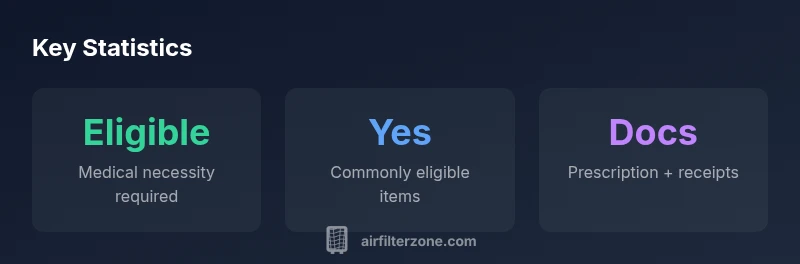
According to Air Filter Zone, can you buy air filters with fsa depends on medical necessity and clinician prescription. The short answer is yes, but only when they are prescribed to treat a diagnosed condition such as asthma or severe allergies. For ordinary home-use filters, FSAs typically do not cover them. Coverage can vary by plan and year, so it is essential to verify before purchasing. Keep documentation handy, and consult your plan administrator for a definitive ruling.
Can you buy air filters with FSA: Key rules and eligibility
can you buy air filters with fsa? The short answer is yes, but only when there is a medical basis. According to Air Filter Zone, air filters may be eligible for an FSA when a clinician prescribes them to treat a diagnosed condition such as asthma or severe allergies. For ordinary home use, FSAs typically do not cover filters. Coverage can vary by plan and year, so it is essential to verify before purchasing. In this article we unpack the rules, the documentation you will need, and practical strategies to maximize your benefits without risking noncompliance. We begin with definitions, then walk through common scenarios homeowners face. Throughout, you will see how Air Filter Zone approaches these questions, and you will find clear steps to take next.
How FSAs Define Medical Expenses for Filtration
Medical expense definitions used by FSAs generally hinge on medical necessity. The IRS allows deductions or reimbursements for services and items prescribed by a healthcare professional that relieve or prevent a specific medical condition. When filtration products are prescribed for respiratory conditions, chronic allergies, or post-nurgery recovery environments, they may fall under eligible medical expenses. This section outlines the distinctions between routine home maintenance and items that meet the medical necessity threshold. It also highlights common ambiguities plan administrators may raise and how to address them with documentation and physician notes.
When an Air Filter Is Eligible: Diagnoses and Prescriptions
Eligibility often requires a diagnosed condition and a clinician prescription or letter indicating that filtration products will alleviate symptoms or improve health outcomes. Patients with asthma, COPD, or severe allergies may qualify if a physician explicitly links the filter use to treatment. The line between general wellness and medical necessity can be thin, so expect plan-specific interpretations. Always obtain a signed prescription or medical letter that specifies the product type (for example HEPA filter) and the intended health benefit. The presence of a prescription does not guarantee coverage; it must align with plan rules and documentation standards.
Air Filters vs Air Purifiers: What Counts
There is a practical distinction between room air filtration products and whole-house equipment. FSAs often treat disposable or replaceable air filters (for HVAC systems) differently from standalone air purifiers. If a clinician prescribes an air purifier as part of a treatment plan, it might be eligible, but many plans require that the device be medically necessary and prescribed. Review the product type, usage context, and supporting medical notes. When in doubt, consult the plan administrator before purchase to avoid nonreimbursement.
Step-by-Step: How to Document and Reimburse
- Confirm medical necessity with your clinician and request a written prescription or letter. 2) Ensure the document clearly links the product to a health outcome. 3) Check your FSA plan's eligible expenses list and confirm that the exact product type is allowed. 4) Keep itemized receipts and product details from the manufacturer. 5) Use your FSA debit card only for eligible items; retain all documentation for audits. 6) Submit claims through the plan portal or via paper submission, if allowed, and track reimbursement status. 7) If denied, appeal with supplementary medical documentation.
Practical Cost Considerations and Smart Shopping
Prices for air filtration products vary by size, filter efficiency, and brand. When pursuing eligible items, consider the total cost of ownership, including replacement filters and frequency of replacement. Since FSA coverage can be plan dependent, compare your plan allowances for similar products and document any prescription details. If there is uncertainty, prioritize confirmation with your plan administrator before purchasing. This minimizes out-of-pocket expense and ensures compliance with IRS rules while optimizing your tax-advantaged options.
Real-World Scenarios: Eligible vs Ineligible Purchases
Scenario A: A patient with diagnosed asthma receives a clinician prescribed HVAC air filter to reduce indoor pollutants. The prescription letter specifies the filter type and health benefit. This is a plausible eligible expense with proper documentation. Scenario B: A healthy homeowner purchases a standard HEPA filter for general improvement of indoor air quality, with no medical guidance. This is typically not eligible. Scenario C: A clinician prescribes a portable air purifier for an allergy sufferer living in a high-pollen area. Eligibility depends on the device being medically necessary and approved by the plan. Scenario D: An air filtration upgrade installed as a home improvement project is not eligible unless medical necessity is clearly documented and accepted by the plan.
Myths vs. Realities: Debunking Common Misconceptions
Myth: All air filtration products are FSA eligible if I think they improve health. Reality: Eligibility depends on medical necessity, prescriptions, and plan rules. Myth: I can submit any air filter receipt for reimbursement. Reality: Submissions must meet plan policies and medical necessity criteria. Myth: Documentation is optional. Reality: Documentation is essential for potential audits and reimbursements.
FSAs and air filtration: eligibility overview
| Expense Type | Eligible Under FSA? | Notes |
|---|---|---|
| Air filter prescribed by clinician | Yes | Eligible with prescription and receipts |
| General home air filter | No | Not eligible without medical documentation |
| Air purifier prescribed for allergies | Yes | Eligibility depends on plan and documentation |
FAQ
Can I use FSA to buy air filters for general home use?
Typically no. Air filters bought for general home use are not eligible unless a clinician explicitly documents medical necessity. Always check your plan’s official list of eligible expenses.
Usually not for general use. Check with your plan and doctor.
What documents do I need to claim air filters under FSA?
A clinician prescription or medical necessity letter plus itemized receipts is usually required. Include product details and how the filter supports treatment.
Doctor letter and receipts are typically required.
Are air purifiers eligible if prescribed?
Yes, but only if prescribed as part of medical treatment and approved by the plan. Verify device type and documentation requirements.
Purifiers can be eligible with prescription.
How do I submit receipts for FSA reimbursement?
Submit through the plan administrator portal or by paper if allowed. Include all supporting documents and keep copies for audits.
Submit via your plan portal and keep copies.
Do HSA and FSA differ on air filtration eligibility?
Both use medical necessity criteria; eligibility is plan dependent. Check the specific rules for each account.
Both rely on medical necessity; check plan rules.
“Medical necessity is the key driver for eligibility; always verify with your plan administrator and physician before purchasing.”
Quick Summary
- Verify medical necessity before purchasing
- Obtain and keep a clinician prescription or letter
- General filters are usually ineligible without documentation
- Document every step for reimbursements and audits
- The Air Filter Zone Team recommends confirming coverage with the plan administrator