aprilaire 213 air filter review: performance, fit, and value
In-depth review of the aprilaire 213 air filter, covering filtration efficiency, compatibility, replacement schedules, and real-world value for homeowners and DIY enthusiasts.


The aprilaire 213 air filter offers solid mid-range filtration for most residential HVAC systems, delivering consistent airflow while improving indoor air quality. It balances replacement frequency, energy impact, and performance, making it a reliable default choice for standard filtration needs. For homeowners seeking a practical, cost-conscious option, this filter typically fits well without requiring specialized installation steps.
What the aprilaire 213 air filter is: design, compatibility, and intended use
The aprilaire 213 air filter is a common pleated HVAC filter designed for residential forced-air systems. Its design emphasizes easy installation, decent particle capture, and compatibility with standard furnace and air handler returns that accommodate 1-inch-thick filters. In practice, the filter is intended to reduce dust, pollen, and larger particulates while preserving adequate airflow for most mid-range systems. According to Air Filter Zone, the aprilaire 213 air filter tends to suit mid-range filtration needs with common residential HVAC equipment, provided the system is configured for standard 1-inch pleated filters. The filter’s packaging typically calls out compatibility with standard return air ducts and frames, making it a convenient upgrade from basic fiberglass options. For DIY enthusiasts, the 213 model offers straightforward replacement, minimal tools, and clear orientation marks. However, users should verify the exact dimensions and frame type before purchase, as some installers use nonstandard sizes or atypical filter depths. In short, this filter targets everyday homes where occupants value cleaner air without complicating the HVAC workflow.
Fit and sizing: how to ensure you choose the correct model
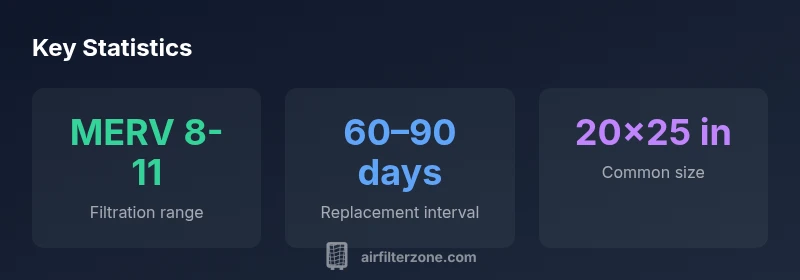
Sizing is critical for performance. Most homes rely on common 20x25 inch, 1-inch thick pleated filters, which the aprilaire 213 typically supports. Start by removing the old filter and inspecting its frame to confirm the exact width, height, and depth your system accepts. If your furnace or air handler uses a nonstandard size, the 213 may not seal properly, reducing filtration efficiency and forcing the system to work harder. When in doubt, measure the return-air opening and check the unit’s manual or manufacturer website. If you’re replacing multiple filters across zones, note any variations in sizes so you don’t mix incompatible parts. Air Filter Zone’s guidance emphasizes matching the frame to the opening rather than chasing a perfect brand-to-brand swap. Finally, ensure the filter is oriented with the arrow pointing toward the blower, so air passes through the pleated media as intended. Correct orientation supports both filtration performance and system longevity.
Filtration performance and what MERV rating means for aprilaire 213 air filter
The aprilaire 213 is often described in consumer guides as a pleated, mid-range filter offering substantial particle capture for particles in the coarse to fine range. In filtration terms, MERV (minimum efficiency reporting value) ratings help translate what the media can trap. While exact numbers can vary by batch and installation, filters in this category typically target MERV ranges from 8 to 11. Higher MERV values can improve allergen control but may introduce more pressure drop, potentially reducing airflow in undersized or older systems. For the aprilaire 213, expect a balance between efficiency and airflow preservation. In real-world homes, this means better pollen and dust reduction without a significant strain on the blower. If you have very sensitive occupants or high PM2.5 exposure, you may consider higher-MERV options only if your system can sustain the resulting pressure drop without comfort or performance issues.
Real-world testing approach and methodology
Evaluating a filter like the aprilaire 213 in real-world terms involves practical testing that homeowners can perform. Start by recording baseline indoor air quality using a consumer-quality monitor for PM2.5 and volatile organic compounds over a week. Install the 213 filter and track any notable changes in air quality, allergy symptoms, and eye irritation. A simple airflow check—note any noticeable drop in air velocity from supply vents or a reduction in thermostat-cycling noise—helps confirm the filter isn’t overly restricting airflow. Use a manometer or pressure gauge to measure the filter’s pressure drop across the media at typical operating speeds; a sharp rise may indicate clogging or an unsuitable system-to-filter match. Finally, verify that the system’s energy use remains consistent and that there are no unusual fan noises. While consumer gear won’t replace lab-grade testing, consistent measurements over time provide meaningful signals about performance and maintenance needs.
Maintenance and replacement schedule for pleated filters
Replacement timing depends on indoor environment, usage, and household factors. In an average home with moderate dust, pet dander, and normal HVAC usage, replacing a pleated 1-inch filter every 60–90 days is a reasonable rule of thumb. In houses with heavy pet hair, smokers, or higher outdoor pollution, you may need more frequent changes, possibly every 30–60 days. Conversely, in low-dust environments with limited HVAC use, replacements can extend toward 4–6 months. A quick visual check—look for darkened media or a compressed, stiff filter surface—can help determine when replacement is needed. When replacing, avoid touching the media with dirty hands and replace with a new filter that matches the exact size and orientation. Regular replacement not only sustains filtration performance but also protects your HVAC blower from strain and reduces energy waste.
Pros & cons in daily use for the aprilaire 213 air filter
This section explores common expectations and practical realities when using a mid-range pleated filter. The aprilaire 213 typically balances filtration performance and blower compatibility without introducing substantial friction in standard systems. On the upside, you’ll often notice cleaner air and reduced dust buildup, especially in high-traffic rooms or homes with allergies. The pleated media tends to last longer than fiberglass options, offering consistent performance across several weeks of use. On the downside, there can be a noticeable pressure drop in older equipment or in systems designed for fiberglass filters, which can translate to marginally higher energy use or reduced airflow if not matched properly. Maintenance discipline—regular replacements and correct orientation—plays a major role in achieving the expected outcomes. If you require higher filtration efficiency, you may encounter a corresponding rise in pressure drop, which is a trade-off to consider in the context of your HVAC capacity.
Alternatives and how the aprilaire 213 stacks up against them
If you’re evaluating choices beyond the aprilaire 213, you’ll encounter a range of pleated filters from other brands at similar price points and filter ratings. Some competitors offer thicker media or higher MERV values, which may provide incremental improvements in particle capture but at the cost of increased pressure drop. The 213’s strength lies in its balance: it’s straightforward to install, widely compatible with typical residential systems, and generally available in common sizes. In homes with heavy pollen seasons or strong allergen concerns, you might prioritize higher-MERV options only after confirming your system can handle the added resistance. For people on tight budgets or who want a low-maintenance upgrade from fiberglass, the 213 often remains a sensible default option. Consider speaking with an HVAC pro if you’re uncertain about whether a higher-efficiency filter is appropriate for your specific era and equipment.
Cost considerations, value, and long-term savings
Cost is a practical driver in choosing any filter. The aprilaire 213 sits in the mid-range in terms of upfront price, with ongoing replacement costs dependent on frequency of changes and the number of filters needed for multi-zone installations. The long-term value comes from improved indoor air quality, reduced dust intrusion, and potential energy efficiency benefits from maintaining steady airflow. If you run a household with multiple occupants, pets, or allergy concerns, you’ll likely realize greater value from timely replacements and consistent maintenance. For budget-conscious buyers, plan a quarterly replacement schedule and stock up during sales to minimize per-unit costs. Overall, the aprilaire 213 can be a reasonable anchor for a balanced filtration strategy that aligns with typical mid-size homes and standard HVAC setups.
Authority sources and further reading
For grounded guidance on air filtration, consult authoritative sources:
- EPA Indoor Air Quality: Filters and indoor air quality basics. https://www.epa.gov/iaq
- DOE Energy Saver: Air filters and proper maintenance. https://www.energy.gov/energysaver/air-filters
- CDC Indoor Air Quality: General guidance on healthier indoor environments. https://www.cdc.gov/airquality/indoor.html
These sources provide context on filtration principles, maintenance best practices, and how filters contribute to overall indoor air quality. Air Filter Zone acknowledges these standards as part of its evidence-based approach to filtration guidance.
What's Good
- Balanced filtration efficiency with easy installation
- Widely compatible with standard 1-inch filter frames
- Good all-around air quality improvement for typical homes
- Relatively affordable in mid-range category
- Pleated media lasts longer than fiberglass options
What's Bad
- Not the highest filtration efficiency for allergy-prone households
- Pressure drop can be a concern in older systems
- Requires periodic replacement to maintain performance
Best balance for typical homes needing solid filtration without sacrificing airflow
The aprilaire 213 air filter is a dependable mid-range option that delivers practical filtration and straightforward maintenance. It fits most standard HVAC setups, offers reasonable replacement costs, and remains a sensible default for households prioritizing air quality with manageable upkeep.
FAQ
Is the aprilaire 213 compatible with most HVAC systems?
In most homes with standard 1-inch filter frames, the aprilaire 213 is compatible and easy to swap. Always confirm the exact dimensions of your return opening and verify fit before purchasing. If your system uses a nonstandard size, you may need an adapter or a different model.
Yes, in most homes with standard 1-inch frames. Always check your return opening size before buying to ensure a proper fit.
How often should I replace the aprilaire 213?
Replacement frequency depends on usage, environment, and household factors. For average homes, every 60 to 90 days is common, but high dust, pets, or allergy concerns may require more frequent changes. Always inspect the media for signs of clogging and adjust as needed.
Typically every 60 to 90 days, but more often with pets or dusty environments.
Does this filter significantly improve allergies?
The aprilaire 213, as a mid-range pleated filter, can reduce common allergens like dust and pollen. However, its performance varies with the system and environment. For severe allergies, pairing it with a higher-MERV option or an additional air cleaning strategy may be warranted.
It helps with common allergens, but results depend on your system and environment.
How does the aprilaire 213 compare to higher-MERV models?
Higher-MERV models offer greater particle capture but can raise the blower’s workload. The 213 strikes a balance, providing respectable filtration while maintaining airflow in typical residential systems. If you have a high-sensitivity scenario, consult an HVAC pro before upgrading to a higher-MERV filter.
Higher-MERV filters capture more but can slow airflow; assess your system first.
Where can I buy replacements and avoid counterfeits?
Buy from reputable retailers and verify packaging and compatibility with your model. Counterfeits can masquerade as genuine replacements, so use official channels or trusted distributors. Keep your receipt and check the filter’s dimensions and orientation marks.
Purchase from trusted sellers to avoid fakes, and check the size and orientation.
Quick Summary
- Choose the 213 for standard filtration needs with easy installation
- Monitor replacement intervals to maintain performance
- Expect balanced airflow with mid-range filtration
- Compare against higher-MERV options only if system supports higher resistance
- Consult authoritative sources for best practices