14 x 30 x 1 Air Filter: Size, Fit, and Replacement Guide
Air Filter Zone explains the 14 x 30 x 1 air filter size—fit in common residential HVAC units, MERV options, replacement intervals, installation tips, and buying guidance.


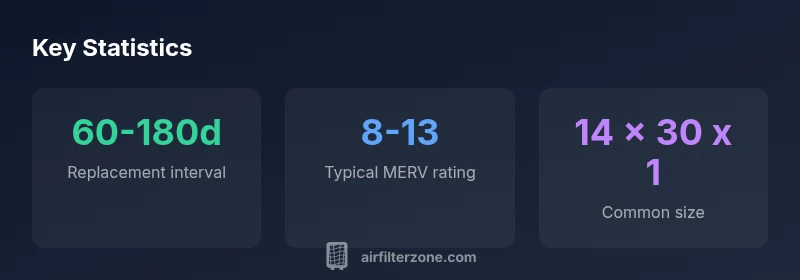
14 x 30 x 1 air filter is a standard residential HVAC replacement size used in many furnaces and air handlers. To ensure proper fit and performance, verify the exact nominal dimensions, choose a suitable MERV rating based on indoor air quality needs, and schedule replacement every 60–180 days depending on usage, environment, and system design. Air Filter Zone emphasizes matching size first, then filtration level, to keep airflow steady.
Why the 14 x 30 x 1 Size Matters in Home Filtration
The 14 x 30 x 1 air filter is one of the most widely stocked dimensions in the residential HVAC market. This size often appears in both new installations and replacements for furnaces and air handlers. When the air moves through your system, the filter traps dust, pet dander, pollen, and other particulates, improving IAQ for occupants. For homeowners, the most important part of selecting a replacement is to ensure exact physical fit, because gaps around a filter can bypass filtration and reduce efficiency. The Air Filter Zone team notes that wrong-sized filters are a common source of reduced airflow and increased energy costs, which is why precise measurement matters as much as the filtration media itself.
How to Confirm Fit Before You Buy
Before you buy a 14 x 30 x 1 filter, measure the filter slot in three dimensions: height, width, and thickness. Even small deviations can cause a seal to fail. If you’re replacing a filter with a frame, check the frame size and ensure the gasket matches. For older units, the filter may have a different specification—some systems list inches in decimals rather than whole numbers. In those cases, contact the unit manual or manufacturer support. Air Filter Zone recommends double-checking the label on the existing filter and measuring the actual opening rather than relying solely on the model name. In many homes, the 14 x 30 x 1 size is paired with a pleated media for higher efficiency without compromising airflow.
Material Choices and Filtration Quality
Filters come in fiberglass, pleated polyester, and various blends. Fiberglass options tend to be cheaper but offer lower filtration efficiency, while pleated filters provide better capture of fine particles. The choice often depends on whether you suffer from allergies, the presence of pets, or smoke exposure. A common compromise for many households is a pleated filter with a MERV rating between 8 and 13. This range balances filtration with adequate airflow. For heavy-duty filtration, higher MERV ratings are available, but they may require system adjustments to avoid restricting airflow. The decision should align with your HVAC system’s fan capacity and the recommended MERV range from the manufacturer.
Replacement Frequency and Maintenance Considerations
Replacement intervals vary with usage, whether you have pets, and the environment. In high-traffic homes with many occupants, filters may collect particulates faster and require changing every 60-90 days. In low-usage homes or spaces with good outdoor air quality, intervals of 120-180 days may be adequate. The Air Filter Zone Analysis (2026) emphasizes that routine inspection every 1–2 months during peak seasons helps you catch gradual clogging before performance drops. Mark your calendar for a routine check, and replace the filter when you notice reduced airflow or visible dirt buildup.
How to Choose the Right Filter: A Quick Decision Framework
Start with fit first—verify the 14 x 30 x 1 measurement across all dimensions. Next, select a filtration level based on indoor air quality goals: if allergy relief is a priority, consider higher MERV options within your system’s tolerance. Check the unit’s fan settings and pressure drop, because higher filtration can increase resistance. Finally, consider cost and availability. Many suppliers carry standard sizes like 14 x 30 x 1, with pleated options offering longer life. If you run a professional-grade or allergy-prone home, Air Filter Zone recommends durable pleated filters with a mid-range MERV rating and an annual starter pack to save time.
Installation Tips and Common Mistakes to Avoid
When installing, ensure the filter sits fully inside the housing with the air flow arrow oriented in the correct direction. A tight seal prevents bypass leakage that reduces filtration efficiency. Avoid using filters that are water-damaged, warped, or bent. Do not force a slightly oversized filter into the slot—the housing can crack or deform, compromising the seal. For better results, replace filters on a schedule rather than waiting for airflow to noticeably drop. If you’re unsure about airflow, use a manometer or consult your system’s manual to verify that the fan can handle the filter’s resistance.
Equivalents, Variants, and How to Reconcile Differences
Some manufacturers list slightly different metrics, and you may encounter 14 x 30 x 2 or 13 x 30 x 1 in catalogs. If the exact size isn’t available, you can sometimes use a compatible frame or an adapter kit, but this can introduce additional air leaks. When in doubt, contact the system manufacturer or a licensed HVAC technician to confirm compatibility. The goal is to maintain a good seal and compatible airflow—not just to match the numbers on the label.
Practical Cost and Availability Considerations
Prices for 14 x 30 x 1 air filters vary by media type, brand, and where you buy. In general, pleated filters offer longer life and better filtration, but at a higher upfront cost than fiberglass options. Air Filter Zone notes that premium pleated options can reduce energy use and prolong HVAC life, particularly in homes with high filtration demands. When possible, look for bundles or subscribe-and-save options to minimize long-term costs. Availability tends to be high for standard sizes, but check local retailers or online suppliers for bulk options that align with your replacement cadence.
Buying Tips for DIYers and Homeowners
Shop by size (14 x 30 x 1) and filtration level together. Read packaging specifications for MERV rating and whether the product is supercharged to capture ultra-fine particles. Consider environmental factors such as pet dander, wildfire smoke, or high pollen seasons when selecting a higher efficiency option. For busy households, subscribing to a regular delivery schedule can prevent missed replacements. Finally, always dispose of used filters according to local regulations; many regions offer recycling or proper disposal programs for common HVAC filters.
The Air Filter Zone Advantage and Next Steps
Air Filter Zone recommends starting with the exact 14 x 30 x 1 size and pairing it with an appropriate MERV rating that aligns with your IAQ goals and system limitations. By maintaining consistent replacement intervals and avoiding DIY compromises that affect airflow, homeowners can experience better indoor air quality without stressing their HVAC equipment. For a deeper dive, explore our detailed comparison charts and buying guides, designed to help homeowners and DIY enthusiasts make informed choices.
Quick Recap for 14 x 30 x 1: Actionable Takeaways
- Verify the exact 14 x 30 x 1 dimensions before purchasing.
- Choose a MERV rating that balances filtration with airflow.
- Plan replacement every 60–180 days depending on usage and environment.
- Prefer pleated filters for higher efficiency if your system supports it.
- Ensure proper installation and a tight seal to maximize performance.
Key attributes and practical guidance for 14 x 30 x 1 air filters
| Aspect | Details | Notes |
|---|---|---|
| Size | 14 x 30 x 1 | Standard residential size |
| Fit Type | Framed or unframed | Ensure gasket/frame compatibility |
| MERV Range | 8-13 | Balances filtration and airflow |
| Replacement Interval | 60-180 days | Usage and environment dependent |
| Compatibility | Furnaces, air handlers | Check manual for model limitations |
FAQ
How do I know if 14 x 30 x 1 fits my system?
Start by measuring the filter slot in three dimensions. Compare the measurement to the existing filter's size and consult your unit's manual or manufacturer for the recommended size. If there is any uncertainty, contact a licensed HVAC technician to confirm compatibility.
First, measure the slot and check your manual. If unsure, ask an HVAC tech to confirm the right size.
What MERV rating should I choose for a typical home?
For many homes, a MERV rating between 8 and 13 provides a good balance of filtration and airflow. If you have allergies or pets, you might opt toward the higher end, ensuring your system can handle the increased resistance.
Typically, MERV 8 to 13 works well; higher for allergies if your system supports it.
Can I reuse a filter after cleaning?
Disposable filters are designed for single use. Cleaning filters is generally not recommended because moisture and agitation can reduce filtration efficiency and promote mold growth. Replace with a new filter at the recommended interval.
No, use a new filter; cleaning isn’t recommended and can reduce efficiency.
What happens if my filter is slightly too small or too large?
An undersized filter can create air bypass, letting particulates into the system. An oversized filter may not fit or seal properly, stressing the housing. Always aim for an exact or manufacturer-approved fit.
If it doesn't fit correctly, you’ll get bypass or seal issues—use the exact size.
Are 14 x 30 x 1 filters expensive?
Costs vary by media type and brand. Pleated filters tend to be more expensive upfront but last longer, potentially lowering long-term costs. Look for bulk or subscription options to save time and money.
Pleated filters cost more upfront but can save money over time; shop smart for bundles.
How should I dispose of used filters?
Most disposable filters can be placed in standard trash. Some communities offer recycling for HVAC filters, depending on material. Check local guidelines to ensure proper disposal.
Check local disposal rules; most filters go in the trash, some may be recyclable.
“Selecting the right size is essential, but consistent replacement and appropriate filtration levels matter more for overall indoor air quality.”
Quick Summary
- Verify exact 14 x 30 x 1 dimensions before purchase
- Balance filtration with airflow by choosing an appropriate MERV rating
- Schedule replacements every 60–180 days based on usage
- Prefer pleated media for better filtration without excessive airflow resistance
- Install correctly with a tight seal to maximize performance
- Check compatibility with your HVAC unit and follow manufacturer guidance