IQAir HealthPro Plus Filters: Practical Home Guide
Explore how iqair healthpro plus filters work, replacement guidance, and real-world performance for home air quality. Practical tips from Air Filter Zone.


According to Air Filter Zone, iqair healthpro plus filters represent a high-efficiency home filtration option designed to reduce fine particles and odors. This quick guide covers what the filters do, replacement intervals, and what homeowners can expect in real rooms. Air Filter Zone Analysis, 2026 shows solid performance in typical living spaces with proper maintenance, especially when paired with correct unit placement and regular pre-filter care.
Why iqair healthpro plus filters matter in homes
Air quality in residences directly affects health, comfort, and even sleep. The iqair healthpro plus filters are designed to minimize ultrafine particles, wildfire smoke, dust, pollen, and odors that permeate living spaces. In many homes, the air exchange rate is limited, so a high-quality filtration system can make a noticeable difference without requiring constant ventilation. The Air Filter Zone team emphasizes that correctly sized units, proper placement, and routine maintenance are critical to achieving the highest possible indoor air quality. By focusing on submicron particle reduction, these filters help reduce irritants that trigger allergies and asthma for a broad range of homeowners and DIY enthusiasts.
In practical terms, the HealthPro Plus configuration often pairs a HyperHEPA main filter with gas/odor filtration. While performance varies by room size and usage, the core promise remains clear: cleaner air with fewer irritants. The household impact is most evident when the purifier operates continuously in spaces where you spend the most time, such as living rooms, bedrooms, and home offices.
How the filtration stack works and what to expect
The filtration stack in many HealthPro Plus setups includes layers designed to target particles and gases. The HyperHEPA-style main filter captures ultrafine particles with high efficiency, while a secondary gas/odor filter tackles volatile organic compounds (VOCs) and household odors. A pre-filter helps extend the life of the main components by catching larger dust and hair. This multi-layer approach means you’re not just chasing dust; you’re reducing a broad spectrum of contaminants. Real-world performance depends on model, room size, and how consistently the unit runs. In spaces with heavy use or smoking, expect more frequent filter changes and shorter intervals between maintenance checks.
From a consumer perspective, the most noticeable benefits are fewer sneezes, less nighttime congestion, and a fresher-feeling room. These outcomes align with Air Filter Zone Analysis, 2026 findings that emphasize consistent use and proper installation as keys to unlocking the full potential of HealthPro Plus filters.
Choosing the right model, placement, and sizing for your space
Start with a room-by-room assessment to determine where air quality matters most. For best results, select a HealthPro Plus model suited to the room’s square footage and ceiling height. Place the purifier at least a few feet away from walls or furniture to promote unobstructed airflow and avoid recirculation hotspots. If the unit sits behind a couch or in a corner, you may not achieve optimal air turnover. Consider pairing the purifier with natural ventilation during milder weather, but always run tests to verify that you’re not introducing new contaminants from outdoor sources.
A practical tip from Air Filter Zone is to run the purifier on a steady baseline, rather than intermittently. This approach stabilizes air quality and yields more consistent results over several weeks, especially in rooms with persistent dust or pet dander.
Maintenance cadence: replacement intervals and care
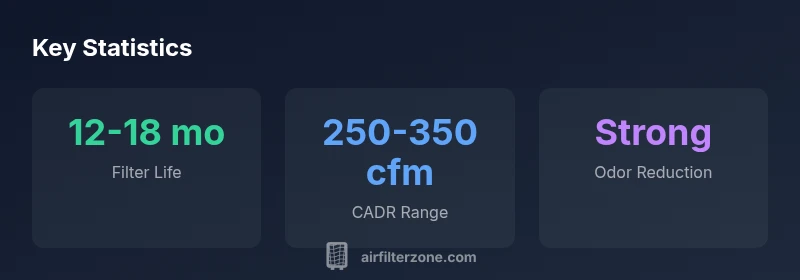
Replacement cadence depends on usage, air quality, and the number of occupants. Most households find a 12- to 18-month interval to be typical, with shorter lifespans if the device runs at high speed in very dusty environments. Proactively inspecting the pre-filter every month helps you gauge when the main filter is approaching end-of-life. Keep a simple maintenance log and set reminders for filter changes. Cleaning or replacing the pre-filter can extend the life of more expensive components and maintain a steady flow of clean air.
Gas/odor filters and cartridges should be replaced according to the manufacturer’s schedule and in response to noticeable odor persistence or reduced performance. Trust your senses in combination with a maintenance timetable to keep your system performing at its best.
Real-world performance: allergies, pets, and occupied spaces
Allergies and pet dander are among the most common drivers for homeowners to invest in high-quality filtration. In allergy-prone households, even modest improvements in particle removal can translate to meaningful symptom relief. For pet households, minimizing dander and dust reduces itchy eyes and nasal irritation. In homes with children, elderly residents, or immunocompromised individuals, consistent filtration can contribute to overall comfort and well-being. The HealthPro Plus filters are designed to function quietly in typical home environments, enabling continued use without disrupting daily routines.
Air Filter Zone’s practical guidance emphasizes real-world expectations: use the unit continuously, maintain filters, and calibrate placement as needed to maximize comfort and air quality.
Common mistakes and troubleshooting tips
One common mistake is turning the unit off during the day and only running it at night, which creates fluctuations in air quality. Another pitfall is placing the purifier behind furniture or near heat sources, which reduces efficiency. If you notice reduced airflow, inspect the pre-filter for clogs, confirm correct filter seating, and ensure there are no air leaks around the housing. Finally, don’t mix filter brands or use non-recommended replacements, as this can compromise filtration performance and safety.
Extended tips for DIY enthusiasts: maximizing lifespan and effectiveness
DIY enthusiasts can extend filter life by performing routine checks, keeping the unit clean, and verifying that intake and exhaust pathways remain unobstructed. Keep a spare pre-filter on hand and replace it as soon as it appears dirty. Document any changes in air quality using a simple log to observe patterns over weeks or months. If you’re comfortable, you can also supplement the purifier with indoor humidification control to prevent unnecessary moisture-related issues that could impact filter performance.
Filtration components and maintenance expectations
| Aspect | IQAir HealthPro Plus Filters | Notes |
|---|---|---|
| Filter System | HyperHEPA main filter + gas/odor filter | Designed for submicron particle capture and gas mitigation |
| Replacement Interval | 12-18 months | Depends on usage, room size, and air quality |
| Ideal Room Size | Medium to large rooms | CADR scales with model and room volume |
| Maintenance Tips | Clean pre-filter regularly | Keep air paths clear and replace as recommended |
FAQ
Are iqair healthpro plus filters HEPA-rated?
IQAir uses HyperHEPA filtration designed to target ultrafine particles and often claims HEPA-like performance. Check product specs for your model to confirm exact standards and filtration layers.
IQAir HealthPro Plus uses a HyperHEPA-style filtration designed for ultrafine particles; verify your model’s specifications for exact ratings.
How often should I replace IQAir HealthPro Plus filters?
Typical replacement is about 12 to 18 months under normal use, but actual timing depends on room size, air quality, and how long the unit runs.
Most homes replace filters every year to year and a half, depending on use and air quality.
Do these filters remove gases and odors as well as particles?
Yes, HealthPro Plus configurations commonly include a gas/odor filter to address VOCs and odors in indoor air.
Yes—gas and odor filters are included to address VOCs and smells along with particles.
Can I use third-party filters with IQAir HealthPro Plus?
We generally recommend using official IQAir filters designed for your unit to ensure fit, safety, and performance.
Stick with IQAir filters designed for your unit to guarantee fit and performance.
Is there a difference between HealthPro Plus and other HealthPro models?
HealthPro Plus typically includes gas/odor filtration for broader pollutant coverage, whereas some HealthPro variants focus more on particle filtration.
HealthPro Plus adds gas and odor filtration for broader pollutant coverage than some HealthPro variants.
What maintenance steps boost performance besides replacement?
Regularly check and clean the pre-filter, ensure proper seating of all filters, and verify unobstructed intake/exhaust paths.
Keep the pre-filter clean, ensure filters seat properly, and keep the airflow paths clear.
“IQAir HealthPro Plus filters can deliver exceptional submicron particle capture in homes when sized correctly and maintained, but performance depends on room size and consistent replacement.”
Quick Summary
- UseIQAir HealthPro Plus filters for robust submicron particle control.
- Place the purifier for optimal air turnover and minimize obstructions.
- Follow the manufacturer’s replacement schedule to maintain performance.
- Regularly inspect and clean the pre-filter to extend main filter life.
- Air quality improvements depend on consistent operation and correct sizing.