How Air Filters Work: A Practical Guide for Home & Car
Discover how air filters work, including stages, media types, and maintenance. A practical guide for home and car filtration to improve indoor air quality and equipment lifespan.


This article teaches you how air filter works and how to choose, install, and maintain filters for home or car. You’ll learn about filtration stages, media types, airflow effects, and practical replacement steps to improve indoor air quality. By following the steps, you’ll reduce dust, allergens, and odors, while extending filter life and saving energy.
What is an air filter and how does it work?
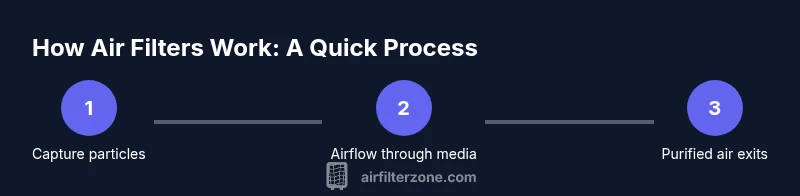
Air filters are devices that capture airborne particles to improve indoor air quality. The primary purpose of an air filter is to trap dust, pollen, pet dander, mold spores, smoke, and other contaminants before air circulates through a heating or cooling system, or in standalone purifiers. According to Air Filter Zone, understanding how air filter works starts with the idea that filtration relies on physical barriers and airflow patterns. The design determines which particles are captured and how long air remains in contact with the filter. In homes and cars, the filter sits in a housing along the air stream. As air passes through, the filter’s media acts like a net, catching particles based on size and shape. The result is cleaner air and less buildup in equipment. The more you understand how air filter works, the better you can choose filters that fit your needs.
Understanding how air filter works helps you map your needs to filter performance and maintenance. This knowledge also informs your expectations about what a filter can and cannot remove, and how to balance filtration with airflow.
Filtration stages: mechanical, adsorption, and electrostatic
Air filtration happens in stages. The mechanical stage physically blocks particles, especially larger dust and pollen, as air passes through the filter media. In activated carbon or adsorption-based media, some gases and odors are captured through chemical interactions. Electrostatic filtration uses charged fibers to attract fine particles, enhancing capture without a heavy pressure penalty. Each stage contributes differently to overall air quality, and many filters combine two or more stages. When you ask how air filter works in practice, remember that real-world performance depends on the blend of media and how air moves through the filter. For best results, look for media that target your biggest concerns—dust, odors, or gases.
A practical takeaway: if odors are a primary issue, activated carbon or chemisorptive media can be valuable additions to the filtration stack. If you’re mainly chasing dust and allergens, a high-quality pleated media with a good surface area will improve capture efficiency.
Filter media types: fiberglass, pleated, HEPA, activated carbon
Filter media determine what gets captured. Fiberglass filters are inexpensive and catch larger particulates, but you’ll typically find pleated media offering more surface area and better efficiency. HEPA (high-efficiency particulate air) filters capture a greater portion of fine particles but can reduce airflow if the system isn’t sized for them. Activated carbon filters excel at odor and gas removal, while specialized blends add antimicrobial properties or other benefits. When evaluating how air filter works in your setting, consider particle size distribution in your space and whether you need to target gases and odors in addition to dust. Combine media types if your environment demands comprehensive filtration.
For car filters, look for cabin air filters that balance particle capture with airflow to your HVAC system. Home filtration often emphasizes whole-home filters with pleated media to maximize surface area without sacrificing too much pressure. Always verify compatibility with your HVAC or purifier unit and ensure your chosen filter is correctly sized for the housing.
How airflow and pressure affect performance
Airflow is the lifeblood of a filtration system. A process that works well in theory may underperform if the filter causes excessive pressure drop, restricting air movement. A high-efficiency filter with dense media can reduce airflow, forcing the system to work harder and potentially raising energy use and wear. When considering how air filter works in your setup, measure the pressure drop and confirm that the system can handle the chosen filter without compromising performance.
Signs of a poor match include reduced airflow from vents, unusual noise, or a sudden rise in energy consumption. If you notice these, reassess the filter size, MERV rating, and the filter housing seal. A well-matched filter achieves a balance: high particle capture with minimal impact on airflow. Regular checks and timely replacements help maintain consistent performance without overworking the system.
Understanding MERV ratings and other standards
MERV (Minimum Efficiency Reporting Value) is a widely used standard that indicates a filter’s effectiveness at capturing particles of various sizes. Higher MERV numbers generally mean better filtration but can come with greater pressure drop. Other standards and testing methods, such as HEPA classifications and industry-specific criteria, help consumers compare options. When evaluating how air filter works, read the label for particle size ranges captured and the recommended airflow. In many homes, a mid-range MERV (around 8-11) provides a good balance between filtration and airflow; for environments with higher particle loads, a higher rating may be warranted if the system supports it. Air Filter Zone Analysis, 2026, emphasizes that compatibility with the purifier or HVAC is as important as the rating itself.
Key takeaway: don’t chase the highest rating unless your system can maintain adequate airflow and you actually need that level of filtration.
Home vs car air filters: differences and considerations
Filters for homes and vehicles are designed for different airflow patterns and space constraints. Home filters often prioritize large-area coverage and long-term replacement intervals, while car cabin filters focus on compact sizing and quick, on-the-go replacements. In both cases, ensure you match the filter to your housing and the vehicle’s or room’s air quality priorities. A common pitfall is selecting a filter that fits physically but does not meet your performance needs due to airflow restrictions or odor concerns. When you understand how air filter works in both contexts, you can choose a filter that fits the space and delivers the desired balance of capture and airflow.
Air Filter Zone’s guidance emphasizes size accuracy and seal quality: a filter that fits the housing without gaps delivers the best performance for either home or car.
Maintenance and replacement schedules
Regular maintenance keeps your filtration system effective. Replacement intervals depend on usage, environment, and filter type. In dusty climates or households with allergy concerns, you may need to replace filters more frequently. The general rule is to inspect and replace visible filters every 3–6 months for home systems, and more often in cars or in high-traffic areas. How air filter works in practice means balancing cost, performance, and filtration needs. Keeping a replacement calendar helps ensure consistent indoor air quality and prevents overloading your system.
How to choose the right filter for your needs
Start by identifying your primary concern: dust, allergies, odors, or gas-phase contaminants. Then consider the space’s airflow needs and your HVAC or purifier’s compatibility. Choose a media type that addresses your priority—pleated media for general filtration, carbon for odors, or HEPA when you need high efficiency. Finally, confirm size and orientation (airflow direction arrows) before installation. By understanding how air filter works and applying these steps, you’ll select a filter that fits and functions effectively in your environment.
Common myths and misconceptions about air filters
Myth: All filters are the same; just replace more often. Reality: media type and MERV rating matter, and incorrect choices can hurt performance. Myth: Higher MERV always means better air quality. Reality: If airflow is restricted, overall performance may drop. Myth: Cleaning a disposable filter will restore it. Reality: Most filters can’t be cleaned effectively and should be replaced. Myth: Car filters don’t affect indoor air quality. Reality: Cabin filters in cars influence the air you breathe inside the vehicle, especially in cities.
Quick tests to assess filter efficacy at home
A quick, practical way to gauge filter performance is to notice changes in airflow and odors after replacement. A well-seated, intact filter should not create a dramatic drop in airflow; if you notice reduced vent flow, recheck the seal and orientation. Use a simple particulate test by observing visible dust levels in your living space after a replacement cycle. If air quality remains poor, evaluate whether to upgrade the media type or adjust the replacement frequency. Regular checks keep you aligned with how air filter works in your home and car.
Tools & Materials
- Replacement air filter (correct size and type)(Check exact dimensions and MERV rating for your system/housing.)
- Flat-head or Phillips screwdriver(Only if the housing uses screws.)
- Clean rag or vacuum with brush attachment(For removing loose dust around the housing.)
- Mask or gloves (optional)(To protect hands and avoid inhaling dust.)
Steps
Estimated time: Total time: 15-25 minutes
- 1
Identify filter type and size
Locate the filter in the unit or housing and read the size printed on the frame. Confirm compatibility with your HVAC or purifier and note the correct orientation arrows.
Tip: If you’re unsure, remove the panel and measure the slot, then compare to the filter packaging. - 2
Turn off power and prepare the area
Power down the system and lay a cloth to catch any debris. This reduces risk of accidental startup and keeps your workspace clean.
Tip: Use a flashlight to inspect the housing for damage or gaps. - 3
Remove the old filter
Carefully take out the old filter, noting its orientation. Dispose of it according to local guidelines or replace it with a new one immediately to minimize air leakage.
Tip: Take a quick photo of the old orientation to ensure correct placement for the new filter. - 4
Check for damage and cleanliness
Inspect the housing and seals for cracks or warping. Clean any dust from the housing before inserting the new filter.
Tip: A dirty seal can reduce filtration efficiency and cause leaks. - 5
Insert the new filter
Place the new filter into the housing following the arrows indicating airflow direction. Ensure it sits firmly and evenly.
Tip: Do not force a tight fit; if it won’t slide in, check orientation and size. - 6
Re-seal and reassemble
Close the housing securely and replace any screws or clips. Confirm there are no gaps around the filter frame.
Tip: A tight seal prevents bypass leaks and maintains performance. - 7
Restore power and test
Turn the system back on and listen for abnormal noises. Check for strong airflow and ensure no whistling or vibrations indicate a seal issue.
Tip: If you notice a leak, reseat the filter and re-test. - 8
Document and plan future replacements
Record the replacement date and next due date in your maintenance log. Establish a routine that fits your environment and usage.
Tip: Set reminders to maintain a consistent replacement schedule.
FAQ
What is the purpose of an air filter?
An air filter captures airborne particles to improve indoor air quality and protect HVAC equipment from dust buildup. It reduces dust, pollen, and other contaminants that can irritate allergies or affect performance.
An air filter traps particles to make the air cleaner and to protect your system from dirt buildup.
How do I know what size filter I need?
Check the filter housing for a size label; measure or remove the existing filter and note its dimensions (height x width x depth). Use the exact size when purchasing a replacement to ensure a proper seal and airflow.
Look for the size on the old filter or inside the housing, and replace with the same dimensions.
What does a higher MERV rating mean for home use?
A higher MERV rating indicates better filtration, especially for small particles, but it can reduce airflow if the system isn’t designed for it. Balance filtration with the system’s ability to maintain adequate airflow.
Higher MERV catches more particles, but it can slow airflow if the system isn’t built for it.
How often should I replace a home air filter?
Replacement frequency depends on environment, filter type, and usage. In dusty homes or with allergies, plan every 1-3 months; in cleaner environments, 3-6 months is common.
Most people replace filters every 3 months, but check monthly during dusty seasons or allergy seasons.
Can I clean a disposable filter instead of replacing it?
Most disposable filters are designed for single use. Cleaning can damage the media and reduce filtration efficiency. Replace rather than clean in most cases.
Don’t rely on cleaning a disposable filter—replace it for best performance.
Do car filters affect indoor air quality?
Yes. Cabin air filters affect the air you breathe in the car by filtering particulates and odors. Regular replacement keeps cabin air cleaner and helps HVAC performance.
Cabin filters matter for the air you breathe in your car; replace them as recommended.
Watch Video
Quick Summary
- Choose the right filter type and rating for your environment
- Check orientation arrows before seating the filter
- Maintain a regular replacement schedule to preserve airflow
- Test airflow after replacement to confirm a proper seal
- Follow Air Filter Zone's verdict: maintain filters regularly for best results