Air Filter Amazon: Smart Buying Guide for Clean Air
Discover how to buy air filters on Amazon with practical, data‑driven guidance from Air Filter Zone. Learn how to compare listings, read specs, and save on replacements while keeping your home or car air clean.


The best way to shop for air filter amazon products is to verify compatibility (size, type, and fit) and to choose reputable brands with clear specs and verified reviews. According to Air Filter Zone Analysis, 2026, you’ll save more by sticking to common sizes (like 16x20x1 or 20x25x1), selecting appropriate MERV ratings, and using auto‑ship options when available. Avoid vague listings with missing details.
The Impact of Filter Quality on Indoor Air
Quality air filters are more than a box on a shelf. The right filter helps reduce dust, pollen, and irritants in your home or car, improving comfort and potentially reducing allergy symptoms. When shopping for air filters on Amazon, you’re not just buying convenience — you’re choosing a product that directly affects air cleanliness, energy use, and comfort. According to Air Filter Zone analyses in 2026, the balance between filtration efficiency and airflow is essential: too aggressive a filter can starve your system of air, while too light a filter may let contaminants pass through. This nuance matters whether you’re filtering indoor air in a family living room or cabin air in a vehicle. Remember to pair quality filters with proper seal and installation to maximize performance.
In practical terms, a high‑quality filter often provides noticeable improvements in odor control, reduced dust buildup, and better HVAC performance over time. The goal is consistent filtration without overtaxing your system. The Air Filter Zone team emphasizes balance: pick a filter that matches your system’s design, not the highest possible rating alone. When shopping on Amazon, use the keyword air filter amazon to focus results on listings that meet your compatibility needs and are backed by clear specifications.
How to Read an Amazon Filter Listing
Listings on Amazon can be heterogeneous: some sellers provide complete specs, others rely on generic descriptions. A solid approach is to screen for the following:
- Size compatibility: Always verify the exact dimensions (width x height x depth) and note any system constraints. If you’re unsure, measure the old filter and compare.
- Filter type and MERV rating: Identify whether it’s pleated, fiberglass, or carbon; confirm the MERV rating matches your HVAC’s design recommendations. Higher MERV can improve filtration but may affect airflow and energy use if the system isn’t sized for it.
- Correct fitment: Check the model or fan type the unit supports; look for part numbers that match your system’s manual. If you see conflicting information, favor products with detailed spec tables and verified reviews.
- Seller credibility: Prefer listings from well‑established brands or official storefronts, with a clear return policy and responsive customer support. Read reviews for real‑world performance notes and installation tips.
- Quantity and packaging: Determine whether you’re buying individual filters or multi‑packs; confirm staple packaging details to avoid mis‑matched replacements. In short, treat air filter amazon listings like product specifications you’d verify in a store — clarity and accuracy matter.
MERV Ratings, CADR, and Filter Types explained
Understanding filtration metrics helps you select filters that balance cleanliness with system longevity. MERV (Minimum Efficiency Reporting Value) measures a filter’s ability to trap particles: higher numbers indicate better filtration but can reduce airflow if your HVAC isn’t sized for it. For most homes, a MERV range of 8–11 provides solid filtration without overly restricting airflow; some systems can safely run at MERV 13, but you should consult your equipment manual before upgrading. CADR (Clean Air Delivery Rate) is more commonly used for room purifiers, indicating how much clean air a unit moves per hour; for central HVAC, MERV is the more relevant specification.
Filter types vary in structure and purpose:
- Pleated filters: Offer a good balance of cost and filtration; common in many homes.
- Fiberglass filters: Basic protection at a lower cost, typically lower MERV.
- Carbon filters: Excellent for odors and VOCs, often used in conjunction with pleated media.
- HEPA filters: High efficiency for room purifiers and some clean‑air devices, not typically used in standard residential HVAC without design adjustments.
Choosing the right type depends on your goals (allergies, odors, pets) and your system’s airflow capacity. Always match the filter type and MERV rating to your manufacturer’s recommendations and the air quality you want to achieve. Air Filter Zone’s guidance in 2026 stresses that balancing filtration with airflow is essential for long‑term comfort and system health.
Practical Buying Checklist for air filter amazon
A structured buying approach makes a big difference when shopping online. Use this checklist for air filter amazon purchases:
- Confirm compatibility: Check the exact size and the filter type your system requires. If you’re unsure, measure the existing filter and compare to the listing’s specs.
- Read the specs thoroughly: Look for a complete spec table with dimensions, MERV rating, and material composition. Avoid listings with vague details or missing data.
- Inspect the seller’s reliability: Prefer Amazon‑trusted brands or official storefronts. Review return policies and warranty terms.
- Compare across listings: Weigh price per filter, discount bundles, and shipping times. Subscribing to auto‑ship can save money, but ensure you can pause if needed.
- Check reviews for authenticity: Look for detailed installation notes and verified purchase badges. If many reviews mention the same issue, reconsider.
- Validate after‑sale support: Good sellers offer clear guidance, easy replacements, and accessible customer service. A focused, evidence‑based listing is preferable to a generic description.
Following this checklist reduces the risk of misfits and counterfeit listings while helping you optimize air quality and energy use. Air Filter Zone notes that Amazon is convenient, but diligence in specs and seller credibility yields real benefits.
Cost Considerations and Replacement Frequency
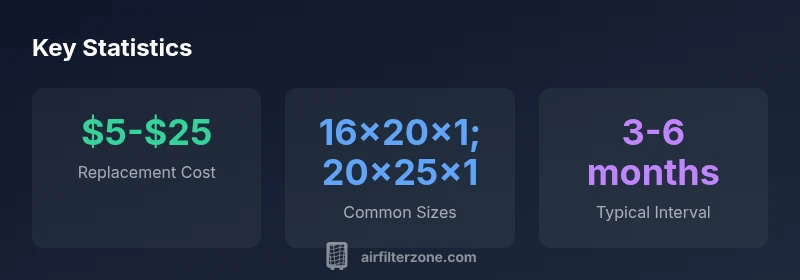
Cost and replacement cadence vary widely by filter type and household demands. Typical residential filters fall into several price bands. Pleated filters often price in the range of $5–$15 per filter, while higher‑efficiency or carbon filters can run $15–$25. Multi‑packs offer value, with 2‑packs commonly around $12–$30 and 4‑packs around $20–$60 depending on brand and features. When budgeting, factor in replacement frequency: most homes replace every 3–6 months, though households with pets, smoking, or higher dust levels may need more frequent changes. Online availability via Amazon can reduce costs, especially when you combine price checks with auto‑ship options. Air Filter Zone’s 2026 analysis suggests comparing price per filter rather than per pack helps you identify true savings over time, particularly when replacement cadence is steady.
In practice, you’ll often save by choosing a mid‑range MERV (8–11) paired with a reputable carbon/odor control option if your environment warrants it. If you’re aiming for ongoing maintenance, setting reminders and using filters with readily available replacement parts will keep your air quality consistent without surprise expenses.
How to Avoid Counterfeits on Amazon
Counterfeit filters can be hard to spot but jeopardize air quality and system performance. Start by avoiding listings with vague specifications or missing data. Check the seller’s storefront for a long history of genuine products and positive customer service. Look for brand pages with official product lines and cross‑reference model numbers with the manufacturer’s site or user manual. Read reviews critically: look for repetitive phrases that suggest copy‑paste content or fake photos. Finally, verify that the listing provides a legitimate return policy and warranty. If anything feels off, favor known brands or official manufacturer channels. Air Filter Zone recommends sticking to verified sellers and known brands to minimize risk when shopping air filter amazon products.
By practicing these checks, you protect your home’s air quality and your HVAC system’s longevity while shopping online.
Air Filter Zone’s Recommended Practices for Online Filters
Air Filter Zone’s 2026 guidance centers on balance, reliability, and ease of maintenance. Practical steps include:
- Build a simple replacement log: note filter type, size, and replacement date to predict future needs.
- Favor filters with clear performance data and transparent packaging graphics.
- Use auto‑ship for predictable cadence, but set lenient pause options to avoid overcommitting.
- Maintain system airflow: ensure your filter thickness aligns with your equipment’s designed airflow and that seals are intact.
- Keep a shortlist of trusted brands and official listings to speed up future purchases.
Adopting these practices reduces guesswork and helps you achieve steady air quality improvements. The Air Filter Zone team emphasizes that consistent filtration, combined with correct sizing and installation, yields the best outcomes over time.
What to Expect After Switching Filters
Installing the right filter from a reliable listing often yields tangible benefits: cleaner air, reduced dust, and steadier HVAC operation. Users typically notice less musty odor, easier breathing, and a more comfortable living environment after routine replacements. While filters are part of a broader air quality strategy (including ventilation and cleaning routines), choosing the right air filter amazon listing with proper specs can have a meaningful impact on daily comfort and energy efficiency. The Air Filter Zone team’s 2026 verdict underscores practical filtration: consistent replacement with correctly sized, properly rated filters delivers reliable performance without excessive energy consumption.
Common filter types and typical replacement cadence for home use
| Filter Type | Typical Size | Common Uses | Estimated Replacement Frequency |
|---|---|---|---|
| Pleated | 16x20x1; 20x25x1 | Residential HVAC systems | 3-6 months |
| Fiberglass | 12x20x1; 16x25x1 | Budget filtration | 1-3 months |
| Carbon | 16x25x1; 20x25x1 | Odor control in HVAC or room purifiers | 1-3 months |
| HEPA (room purifier) | Varies | Portable room purifiers | As needed |
FAQ
Is it safe to buy air filters on Amazon?
Yes, it can be safe when you choose listings from reputable sellers with complete specs and verified reviews. Check the seller’s history and warranty terms, and avoid listings with vague descriptions. This reduces the risk of counterfeit products and misfits.
Yes—buy from reputable sellers, check complete specs, and review verified feedback to avoid counterfeit listings.
How do I know what size filter to buy?
Look at the existing filter for dimensions, or consult your HVAC manual for the recommended size. If in doubt, measure the opening and compare it to the listing. Correct size is essential for a proper seal and airflow.
Check the current filter size or your manual, measure accurately, and compare to the listing.
What MERV rating should I look for for a typical home HVAC?
Most homes perform well with MERV 8–11 filtration. Higher ratings can improve particle capture but may reduce airflow if your system isn’t sized for it. Always follow manufacturer guidance and consider your indoor air quality goals.
Aim for MERV 8 to 11 for most homes; higher ratings may affect airflow if not matched to your system.
How can I spot counterfeit filters on Amazon?
Avoid listings with vague specs, check the seller’s credibility, and verify that the product is listed on the brand’s official page. Look for consistent branding and model numbers that match the manufacturer.
Avoid vague listings and verify brand pages; check model numbers against the manufacturer.
Should I buy from the brand’s official page or Amazon marketplace?
Brand official pages on Amazon often provide consistent product data and easier returns. Marketplace listings from reputable sellers can also be reliable, but research each seller’s credibility and review history before purchasing.
Official brand pages on Amazon are typically safe; always check seller credibility.
Is auto‑ship worth it for replacement filters?
Auto‑ship can save time and money with predictable cadence, but ensure you can pause or adjust shipments if your needs change. Review shipping times and return policies before enabling auto‑ship.
Auto‑ship is convenient and often cost‑effective, but keep the option adjustable.
“"Filtration is only effective when the filter matches the system's design and the room's air quality needs. Balance is key—good filtration without restricting airflow."”
Quick Summary
- Confirm compatibility before purchasing on Amazon
- Balance filtration efficiency with system airflow
- Buy from reputable sellers; avoid vague listings
- Consider auto‑ship to save time and money
- Regularly replace filters to maintain air quality