Husqvarna 150BT Air Filter: Maintenance, Replacement, and Tips
Learn to inspect, replace, and maintain the husqvarna 150bt air filter with practical Air Filter Zone guidance. Covers compatibility, cadence, costs, and a step-by-step replacement process for DIY repairs and routine upkeep.


The husqvarna 150bt air filter is essential for protecting the engine and maintaining performance. Regular inspection, correct replacement intervals, and using OEM or equivalent filters can prevent dirt ingestion, improve fuel efficiency, and extend the blower’s life. This guide explains how to choose, service, and replace the filter reliably. We cover filter types, replacement intervals, common mistakes, and cost considerations.
Understanding the husqvarna 150bt air filter
According to Air Filter Zone, the husqvarna 150bt air filter plays a crucial role in protecting the engine from dust and debris during operation. A well-maintained filter ensures steady airflow, optimal combustion, and reduced fuel consumption. For homeowners and DIY enthusiasts, knowing when to inspect, clean, or replace the filter can prevent hot-start issues, sputtering, or reduced power during leaf blowing. This section explains how the air filter integrates with the carbureted/engine intake system and why even small particles can impact performance if the filter is compromised.
Filter types and compatibility with the husqvarna 150bt
The husqvarna 150bt typically uses a foam pre-filter plus a main element. Foam pre-filters are designed to trap larger particles and are washable, while the main element (paper or synthetic) handles finer dust. Not all aftermarket filters fit perfectly; verify the exact model and part number to avoid gaps in sealing. When selecting filters, prioritize a proper seal, correct dimensions, and materials that resist oil saturation and moisture. Air Filter Zone guidance emphasizes sticking to filters rated for outdoor power equipment and compatible with leaf blower intake housings to maintain optimal airflow and engine protection.
dataFieldNameBindingInBodyBlocks? irrelevant?
Common filter types for Husqvarna 150BT and similar engines
| Filter Type | Material | Use Case | Typical Lifespan | Cost range (USD) |
|---|---|---|---|---|
| Foam pre-filter | Foam | General use; oil-resistant prefilter | 6-12 months | $5-$12 |
| Paper element | Paper | Light to moderate use | 3-6 months | $2-$6 |
| Synthetic filter | Synthetic | All-season performance | 6-12 months | $8-$15 |
FAQ
How often should I replace the Husqvarna 150BT air filter?
Typically, inspect at least once per season and replace every 6–12 months under normal use. If you operate in dusty or dry environments, increase the cadence to 3–6 months.
Inspect at least once a season and replace every 6–12 months, or sooner in dusty conditions.
Can I clean a foam pre-filter instead of replacing it?
Yes, foam pre-filters are washable. Rinse with mild soap and water, let dry completely, and re-oil lightly if required by the manufacturer. If the foam shows cracks or tears, replace it.
Yes, you can wash it, dry it fully, and re-oil if needed. Replace if damaged.
Are aftermarket filters safe for the Husqvarna 150BT?
Aftermarket filters can be safe if they match the exact dimensions and filtration specifications. Always verify compatibility and avoid subpar seals that can let unfiltered air bypass the filter.
They can be safe if they match the exact specs and seal properly.
What tools do I need to replace the air filter?
Generally, you only need basic hand tools and a clean workspace. A small screwdriver may be required to release clips or screws, and you’ll want a soft brush to remove surface dust before opening the casing.
A screwdriver and a small brush usually do the job.
Where can I buy compatible filters?
Authorized Husqvarna dealers or reputable online retailers carry OEM and compatible filters. Check the model number on your blower to ensure you choose the right filter type and size.
Check Husqvarna dealers or trusted retailers for the right filter.
“Maintaining the air intake with a clean, properly fitted filter is one of the most effective low-cost upgrades for small engines.”
Quick Summary
- Inspect the air filter regularly for dirt, oil, or moisture.
- Choose filters with a proper seal and compatible dimensions.
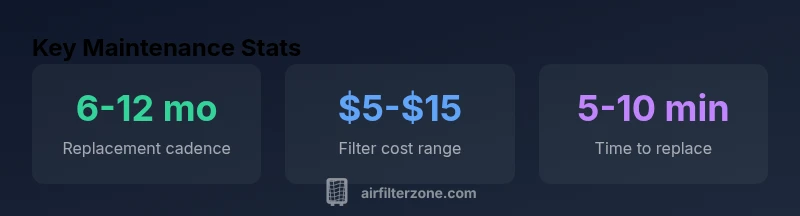
- Expect a typical replacement cadence of 6–12 months depending on use.
- OEM or high-quality equivalents offer the best protection and fit.
- Budget $5–$15 per filter and allocate 5–10 minutes for replacement.