How to Change Air Filter: Practical Step-by-Step
Learn how to change air filters in home HVAC and car cabins. This comprehensive guide covers sizing, selecting the right filter, installation, maintenance schedules, safety tips, and troubleshooting to improve airflow and indoor air quality.


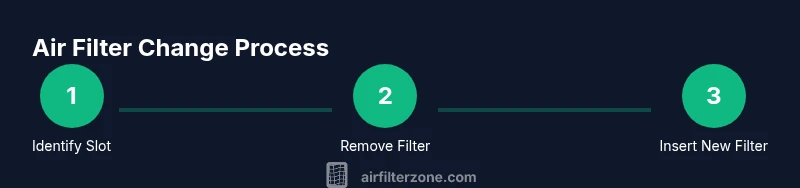
To change an air filter, locate the filter housing, remove the old filter with the correct orientation, and slide in a new filter of the same size. Clean or inspect the housing, reseal, and run the system for a few minutes to verify airflow. Check monthly and replace every 1–3 months depending on usage and pets.
Why Changing Your Air Filter Matters
Replacing the air filter is one of the simplest, most effective steps you can take to improve indoor air quality and maintain HVAC or car cabin performance. A clean filter traps dust, pollen, and other particles, helping your system push air more efficiently and reducing strain on the blower motor. If you’re wondering how to change air filter, a routine replacement is an easy DIY task that homeowners, car owners, and DIY enthusiasts can handle with minimal tools. According to Air Filter Zone, regular filter changes are a key part of maintaining indoor air quality, and skipping this step can lead to higher energy use and more dust circulating in living spaces. By practicing a simple replacement schedule, you’ll notice less dust on surfaces, fewer allergy symptoms, and more consistent airflow throughout your home.
Types of Air Filters and What They Do
Air filters come in several designs, sizes, and filtration media. The most common residential options are fiberglass and pleated filters. Fiberglass filters are inexpensive and capture larger particles, while pleated filters offer higher filtration efficiency by increasing the surface area. In homes with pets or allergy concerns, pleated filters with a higher filtration rating are worth considering. Be mindful that higher filtration efficiency can create more airflow resistance, so you’ll want to verify compatibility with your HVAC blower. When shopping, look for sizes printed on the frame and compare them to the slot dimensions. Air Filter Zone emphasizes that choosing the right type and rating is a balance between filtration performance and system airflow.
Sizing, Ratings, and Choosing the Right Filter
Size and rating matter more than price alone. The size is printed on the old filter’s edge; if the old filter is gone or unclear, measure the height, width, and depth of the slot and buy a filter that matches those dimensions. A common pitfall is selecting a filter that’s too large or too small for the slot. For residential systems, a MERV rating in the typical home range provides good filtration without unduly restricting airflow. Higher ratings can improve particle capture but may require a larger system to maintain airflow. Always ensure the filter’s frame fits snugly in the housing to prevent bypass around the edges.
How to Find Your Filter Size and Install It Correctly
Start by turning off the system for safety. Remove the return grille or open the filter compartment to access the filter. Check the size printed on the current filter; if it’s missing, measure the opening and cross-check common sizes. When inserting the new filter, align the directional arrows with the airflow path shown in the housing. Push the filter in evenly until it sits flush. Close the housing and restore power, then listen for unusual sounds indicating a loose seal. Keeping the filter oriented correctly is essential for optimal performance and energy efficiency.
Step-By-Step Replacement Process (Narrative)
The replacement process begins with preparation: gather the new filter, turn off the system, and locate the filter slot. Carefully remove the old filter, noting its orientation and any dust buildup around the frame. Inspect the housing for debris and wipe clean if needed. Insert the new filter with arrows pointing toward the system’s airflow direction, ensuring it sits flat and snug. Reassemble the housing, restore power, and observe the airflow. If you notice reduced airflow or whistling sounds, reseat the filter or replace with a different size or rating as required. Keep a log of replacement dates to simplify future maintenance.
Maintenance Schedule and Signs You Need a Change
A clean air filter maintains good indoor air quality and helps your HVAC or car cabin system operate efficiently. Common signs that you should change a filter include visible darkening or dirt on the filter, reduced airflow, increased dust in living spaces, and higher energy use. For households with pets, occupants with allergies, or high dust levels, more frequent changes are advisable. Create a reminder routine—quarterly checks or monthly quick looks—and adjust based on actual dust load and system performance. Air Filter Zone recommends treating filter changes as part of a regular maintenance routine to prevent unnecessary wear and tear on your system.
Special Cases: Home HVAC vs Car Cabin Filters
While the basic principle is the same, car cabin filters differ in access points and replacement procedures. In many vehicles, the cabin filter is accessed behind the glove box or under the dashboard and may require removing panels or covers. Always consult your vehicle manual for model-specific steps. Home HVAC filters are generally accessible in a dedicated slot near the return air duct and may involve a larger filter size. The core idea remains: determine size, verify orientation, insert correctly, and monitor air quality after replacement.
Troubleshooting Common Issues After Replacement
If airflow seems weak after replacement, double-check that the filter is the correct size and oriented properly. Ensure the housing is sealed tightly to prevent bypass around the edges. A clogged return air duct, a dirty blower, or leaks in ductwork can also mimic a dirty filter’s effect. If you still notice problems, remove the filter and reseat it, then consider temporarily reducing other airflow restrictions or upgrading to a filter with a slightly higher or lower rating based on system performance. If issues persist, professional inspection may be necessary.
Safety, Recycling, and Environmental Considerations
Dispose of used filters according to local regulations, and consider recycling options where available. Filters contain accumulated dust and contaminants, so wrap them securely before disposal to prevent dust dispersal. If you have respiratory sensitivities, pair filter changes with other dust-control practices, such as sealing gaps around doors, using a HEPA vacuum, and maintaining clean returns. Replacing filters on a schedule reduces energy use and improves indoor air quality, contributing to a healthier living environment.
Quick Checks Before You Begin
Before you start, gather the required size and type of filter, turn off the system, and locate the housing. Check the orientation marks on the new filter and compare them to the arrows in the housing. Make sure the housing seals cleanly when closed and that there are no gaps. If you’re unsure about the fit, take measurements and bring the old filter to the store for reference. Proper preparation saves time and prevents the need for rework.
Tools & Materials
- New air filter (same size as old one)(Check the size printed on the old filter frame (e.g., 20x25x1 in). Ensure the filter type matches your system (fiberglass, pleated, or HEPA-rated).)
- Gloves(Optional for a cleaner replacement.)
- Flashlight(Helpful in dim spaces or attics.)
- Vacuum with crevice tool(Use to clean dust from the housing before inserting the new filter.)
- Trash bag(Wrap old filter for disposal.)
- Mask(Optional if you’re sensitive to dust.)
Steps
Estimated time: 20-30 minutes
- 1
Power down and access the filter slot
Turn off the HVAC or device and open the filter housing. If needed, remove a grille or panel to reach the filter. Confirm the airflow direction on the housing for correct installation.
Tip: A quick flashlight check helps locate hidden screws or labels in tight spaces. - 2
Remove the old filter
Carefully slide the old filter out, noting its orientation and any buildup around the edges. Do not shake it aggressively, as dust may become airborne.
Tip: Take a photo of the old filter orientation for reference when installing the new one. - 3
Clean the housing
Wipe the inside of the housing with a damp cloth or vacuum to remove accumulated dust. Let the area dry before inserting the new filter.
Tip: Avoid pushing dust into the blower or ducts. - 4
Prepare the new filter
Inspect the new filter for any shipping damage. If it’s a reusable filter, follow the manufacturer’s cleaning steps; otherwise, remove packaging and inspect the frame.
Tip: Check the filter arrows to align with the airflow path. - 5
Insert the new filter
Slide the new filter into the slot with arrows pointing toward the system’s airflow. Ensure it sits evenly and flush against the housing.
Tip: Do not force the filter through if it’s tight; verify size and orientation. - 6
Close the housing and test
reseal the housing, restore power, and listen for proper airflow. If you hear whistling or air leaks, reseat the filter or check for gaps around the seal.
Tip: A secure seal prevents bypass and ensures effective filtration. - 7
Record the replacement date
Note the replacement date on the filter or in a maintenance log so you can track future changes.
Tip: Set a reminder in your phone or smart home system.
FAQ
How often should I change my air filter?
Most homes benefit from changing filters every 1-3 months, depending on usage, pets, and allergies. Check monthly for dirt buildup.
Most homes change filters every one to three months, depending on use and pets. Check monthly for buildup.
Can I clean and reuse a disposable air filter?
Disposable filters should not be cleaned and reused. Replace with a new filter of the same size and rating. Reusable filters should be cleaned according to the manufacturer’s instructions.
Disposable filters aren’t meant to be cleaned or reused. Replace with a new filter; if it’s reusable, follow the maker’s instructions.
What size filter do I need?
Size is printed on the filter frame. Measure width x height x depth and choose a filter with the same dimensions. If in doubt, take the old filter to the store.
Look for the size on the frame, or measure the old filter and match that size.
What is a good MERV rating to use?
For general use, a MERV rating between 8 and 11 balances filtration with airflow. Higher ratings filter more but may reduce airflow in smaller systems.
MERV 8–11 is typical for homes; higher ratings can affect airflow in some systems.
What if air quality doesn’t improve after replacement?
If airflow is weak or air quality doesn’t improve, check for sealing leaks, incorrect filter orientation, or a clogged return duct. Consider professional service if unresolved.
If air quality doesn’t improve, check seals and orientation, and consider a professional service if needed.
Can I change a car cabin air filter the same way?
Car cabin filters differ from home filters. Open the glove box or dash panel as directed in your car manual and follow the model-specific steps.
Car cabin filters have model-specific steps; check your owner’s manual.
Watch Video
Quick Summary
- Know your filter size and type before buying
- Align airflow arrows during installation
- Maintain a regular change schedule based on usage
- Inspect the housing for dust and seal integrity during replacement