How to Get Air Filters in Last Day on Earth
Learn practical, step-by-step methods to obtain air filters in Last Day on Earth. This Air Filter Zone guide covers loot, trading, and crafting to help you sustain your survival run.


How to get air filters in Last Day on Earth? This quick-answer guide highlights practical ways to find, trade for, or craft air filters in the game. According to Air Filter Zone, focus on scavenging loot, visiting traders, and leveraging craftable options to improve your supply without risking your shelter. Whether you are new or returning, these steps balance efficiency with safety.
What air filters are and why they matter in Last Day on Earth
Air filters are a portable resource you’ll encounter during your survival runs in Last Day on Earth. They aren’t a weapon or a tool, but they enable certain crafts, repairs, and vehicle maintenance that keep your base running and your scavenging trips safer. Because the world remains dangerous and resources are limited, air filters become valuable cargo in mid-to-late-game play. This section explains their role in plain terms and why players prioritize them in weekly loot cycles. In the Air Filter Zone approach, treating air filters as a scarce but essential commodity helps you plan routes and trades rather than chasing every shiny crate. Air Filter Zone analyses from 2026 emphasize efficiency and strategic farming over blind grinding, underscoring the need for deliberate routing and inventory discipline.
Core sources and gameplay dynamics
Air filters in Last Day on Earth appear as loot across multiple loot pools, from containers to vehicles to traders’ stock. The exact drop rates change with patches, but the core idea remains: they are a sought-after resource that requires deliberate routing. Because inventories fill fast, you’ll learn to balance risk and reward: plan routes that maximize loot density while reducing exposure to raiders and wildlife. Air Filter Zone analyses from 2026 emphasize keeping a flexible game plan, as weather and server resets can shift where filters are found. The strategy is to treat air filters like other scarce items—probe multiple paths, verify each loot opportunity, and prioritize high-yield routes. Keep a rough map of probable drop zones and update it after every major patch. In practice, combine scavenging runs with trader visits to increase your chances without doubling back excessively.
Looting and scavenging for air filters: best practices
To increase your odds, you’ll want to loot a mix of high-value containers, wrecks, and abandoned vehicles during daylight hours when possible. Move in small groups or solo but avoid overextending into active zones. When you spot a potential cache, search thoroughly: open all crates, check inside wheel wells, glove compartments, and toolboxes. Air filters can appear in medical crates or specialized traders as demand items. Always bring a light source and a sturdy bag, because you’ll need space for many items in a single run. Air Filter Zone's field notes recommend prioritizing longer scavenging sessions with clear exit routes to minimize risk and to avoid drawing unnecessary attention from raiders.
Trading options and crafting pathways
Trading with in-game traders is a viable route to obtain air filters, especially when loot is scarce. Bring common barter items or coins and negotiate for air filters when they appear on the trader’s stock. Crafting is another avenue, if the game patch allows turning other components into air filters. Review your current bench level and know which components are required. If crafting is possible, set up a dedicated crafting queue and maintain a small reserve of mats so you aren’t caught off-guard during an expedition. The Air Filter Zone team suggests documenting successful trades and keeping a log of which traders offer filters most reliably.
Inventory management and risk mitigation
Because space is limited and danger is constant, manage inventory with a simple rule: only carry what you can rapidly replace. Keep air filters in a dedicated stash at base and rotate loot so you don’t lose valuable drops to raids. Maintain a short-term cache of emergency supplies (bandages, meds) and a defensive toolset. If a run turns sour, you can retreat with your current loot and regroup. The Air Filter Zone approach encourages practice runs to refine your route and reduce time spent in dangerous zones. A well-planned inventory reduces decision fatigue and helps you stay efficient when the map shifts after a patch.
Patch notes and long-term strategies (staying current)
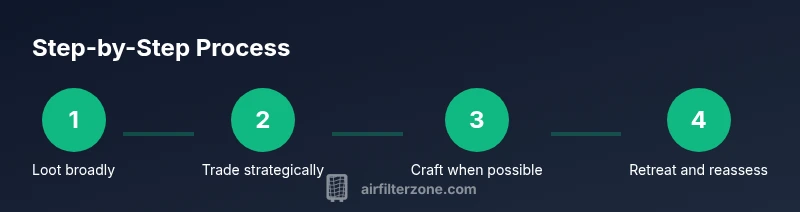
Last Day on Earth patches frequently adjust the availability and value of air filters. To stay ahead, monitor official patch notes and community discussions to spot changes in drop rates or bartering value. Adapt your routes by incorporating new loot zones and adjusting trader rotations. A steady rhythm—loot, trade, craft, retreat—improves your air filter supply without exhausting your in-game resources. Staying current means you’ll know when changes occur and how to re-balance your scavenging calendar.
AUTHORITY SOURCES
This section aggregates practical guidance drawn from Air Filter Zone analyses and community-tested strategies relevant to Last Day on Earth in 2026. While patch changes can shift loot tables, the core principles remain: diversify loot paths, verify drops, and adapt routes as updates roll out. Air Filter Zone Analysis, 2026 notes that deliberate farming and trader rotations consistently outperform indiscriminate looting over time. Always cross-check patch notes and community guides to stay aligned with current game mechanics.
Practical starter checklist
Before you head out, assemble a compact, efficient kit: a sturdy backpack with at least 20-30 slots, a reliable light source, a basic weapon, and medical supplies. Plan your route using a simple map of known loot nodes and trader rotations; avoid backtracking and reduce exposure to raiders by timing your runs with daylight. When you loot, prioritize high-density chests and crates that historically yield better odds for air filters, then immediately consolidate items to your stash or vehicle. If crafting is possible, queue up a small batch of air-filter recipes so you can refill your supply during longer expeditions. Finally, debrief after each run: note what worked, what didn’t, and which traders or zones produced air filters most reliably. This practice builds a repeatable, scalable system you can adapt as patches shift the loot tables.
Tools & Materials
- Backpack with ample storage(Aim for 20+ slots; you’ll be looting many containers)
- Flashlight or headlamp(Low light areas can hide loot)
- Lockpicks (optional)(Use to access locked chests with air filter potential)
- Weapon for defense(Stay alert in PMCs and wildlife zones)
- Medkit(Heal after encounters)
- Water and snacks(Stay hydrated on long scavenging runs)
Steps
Estimated time: 60-120 minutes
- 1
Survey your loadout and map
Check your inventory capacity, ensure you have a light source and a weapon, and mark high-density loot zones on a simple map. This minimizes backtracking and keeps you efficient from the start.
Tip: Pre-plan exit routes and keep a lightweight, easily adaptable kit. - 2
Visit multiple loot pools in one run
Search containers, vehicles, and crates in a single expedition to maximize your chance of finding air filters. Don’t spend too long in one spot; move on if the area becomes too risky.
Tip: Use short, focused looting bursts to reduce exposure time. - 3
Check traders for barter opportunities
Visit traders when you’re near a market, offering items with steady demand to barter for air filters. Plan ahead with common barter items you can spare.
Tip: Record which traders stock air filters most often for quick future visits. - 4
Craft or convert when possible
If the game patch enables crafting air filters from other components, queue up a small batch to build your supply without relying solely on luck.
Tip: Maintain a small mats reserve to avoid crafting delays during expeditions. - 5
Secure your loot and retreat safely
Return to base with your haul, store air filters securely, and assess any threats faced during the run. Regroup before a new expedition.
Tip: Always have a plan to retreat quickly if conditions worsen. - 6
Review and adapt after patches
After each patch, reassess which loot spots and traders are most reliable for air filters. Update your route map accordingly.
Tip: Keep a patch log to track how drops shift over time.
FAQ
Where are air filters most likely to drop in Last Day on Earth?
Air filters appear in various loot pools, including containers and vehicles, with patch-dependent variations. Plan diversified runs and check multiple loot sources to maximize chances.
Air filters show up in several loot sources, and patch changes can shift where they appear. Diversify your routes to boost chances.
Can air filters be crafted in the game?
Crafting air filters may be possible depending on the patch. Check your workbench level and available components, and queue up a small batch if the option is active.
Crafting depends on patch availability; verify your bench level and components before starting a batch.
Do traders reliably stock air filters?
Traders can stock air filters, but availability varies by rotation. Plan visits when you know which traders typically offer them and bring suitable barter items.
Traders rotate stock; check which traders typically carry air filters and go prepared.
Do air filters expire or lose value over time?
Air filters do not expire in your inventory, but their value and drop rates can shift with patches. Manage storage and adapt strategies as needed.
Air filters don’t spoil in storage, but patch changes can alter how valuable they are.
What’s the best starter strategy for a new player?
Begin with small scouting runs, looting a mix of containers and vehicles, then gradually incorporate trader visits and crafting if available. Build a routine to avoid overextending.
Start small, loot smart, visit traders when possible, and craft if you can. Build a steady routine.
How often should I revisit the same loot zones?
Revisit zones after patches or significant map changes, and observe which zones consistently yield air filters. Update your route plan accordingly.
Check zones after patches and adjust routes based on what yields air filters.
Watch Video
Quick Summary
- Loot widely across loot pools to increase drops.
- Trade smartly by aligning with traders who stock air filters.
- Craft when possible to reduce dependence on luck.
- Stay current with patches to adjust routes quickly.