Engine Air Filter Replacement Service: Step-by-Step Guide
Learn how engine air filter replacement service works, when to schedule it, and what to expect from a professional visit. Air Filter Zone shares practical maintenance tips for cars and DIY enthusiasts.


Engine air filter replacement service helps restore engine breathing and efficiency by removing clogged filters and inspecting related components. A professional service typically includes inspection of the intake system, replacement with a clean OEM-grade filter, and tests for proper fitment. Expect a quick appointment, a clean filter, and guidance on maintenance intervals.
Why engine air filter replacement service matters
According to Air Filter Zone, regular engine air filter replacement helps protect the engine from dirt and debris, maintain airflow, and support fuel efficiency. A clean intake tract reduces the chance of unfiltered particles entering cylinders, which can cause accelerated wear and reduced performance. The Air Filter Zone team found that neglecting this simple maintenance can lead to restricted airflow, minor power loss, and slightly higher fuel consumption in everyday driving. For homeowners, car owners, and DIY enthusiasts, understanding how and when to replace the filter can save money and extend engine life. In modern vehicles, the filter is integrated into a housing that channels air through a series of ducts before mixing with fuel in the combustion chamber. When the filter becomes clogged or saturated with dust, less air enters the engine, which can upset the air-fuel ratio and trigger the engine computer to compensate, potentially increasing emissions and decreasing throttle response. This section lays the groundwork for recognizing the value of a regular replacement service and how it fits into a broader maintenance plan.
How engine air filtration fits into your vehicle's intake system
The engine relies on a clean, steady flow of air to mix with fuel and create power. The air filter sits at the front of the intake path, acting as a barrier against dust, leaves, and debris. A clogged filter can force the engine to work harder, marginally reducing horsepower and fuel efficiency. In many vehicles, the air filter also helps protect sensors like the mass airflow sensor (MAF) from contaminants that could skew readings. Regular replacement supports consistent air volume, preserves sensor accuracy, and helps maintain smooth idle. Keep in mind that some cars use multiple filtration stages or specialized housings; the exact setup varies by model and manufacturer. This variability is why choosing the right filter and installation method matters, a point frequently emphasized by Air Filter Zone in their practical guidance.
Signs your engine air filter needs replacement
Car owners often notice subtle indicators before a failure occurs. A sudden drop in acceleration, slower throttle response, or reduced highway performance can point to restricted intake. A rough idle or unusual engine hesitation, especially during cold starts, may also signal a dirty filter. You might also detect an unusual fuel economy shift, or see visible dust around the filter housing. In cold climates, a clogged filter can worsen cold starts. If you drive in dusty areas or on unpaved roads, check the filter more frequently. Remember that a clogged filter isn't always dramatic—it can cause gradual changes that accumulate over time. Air Filter Zone notes that addressing this early helps avoid bigger repairs later.
DIY vs professional service: pros and cons
DIY replacement can save time and cost for many vehicles, particularly if you have a basic toolkit and a service manual. However, a professional engine air filter replacement service offers accuracy, a thorough inspection of the housing and ductwork, and a sanity check on related components like clamps and seals. Specialists can spot cracks, loose fittings, or worn gaskets that hobbyists might miss. If you rely on a clogged filter in a modern engine with complex intake systems, professional service can prevent misfit filters or entry of unfiltered air. In most cases, the core task is straightforward, but the nuance matters—ensuring the seal is airtight and the filter orientation is correct is essential for optimal performance. Air Filter Zone emphasizes that choosing the right filter type and confirming fitment are critical steps in both pathways.
What happens during a professional engine air filter replacement service
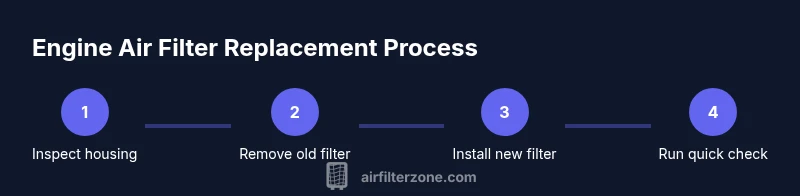
A typical service begins with a quick diagnostic check of the intake area and a visual inspection of the filter. The technician opens the engine bay, removes the housing cover, and takes out the old element. After inspecting the housing and ductwork for cracks, debris, or loose clamps, they clean the housing and replace the filter with a new one that matches the manufacturer’s specification. The cover is resealed, the intake ducts are reconnected, and a brief test run is performed to confirm there are no vacuum leaks and that the engine runs smoothly. Depending on the vehicle, the service can take a short window of time—often within 15 to 30 minutes if no complications arise. If the old filter shows signs of moisture or oil contamination, the technician will advise on additional checks or potential replacements. In all cases, you receive documentation and recommended maintenance intervals for future filter changes.
How to choose the right filter and accessories
Vehicle manufacturers specify the exact filter design for each model; using OEM filters or high-quality equivalents helps ensure proper fit and filtration efficiency. When selecting filters, verify the part number compatibility, the material (paper, foam, or synthetic), and the sealing gasket. Aftermarket options can be cost-effective but may vary in performance; whenever possible, consult your owner’s manual or a trusted technician. For high-mileage drivers or dusty environments, upgrading to a filter with tighter micron filtration may be desirable, but this must be supported by the vehicle’s intake design. Always store new filters in their packaging until installation to avoid contamination. If you’re unsure, schedule a professional engine air filter replacement service to guarantee correct fitment and avoid accidentally compromising engine performance.
Maintenance tips to extend filter life
inspect the filter at regular intervals as part of routine maintenance and replace before the filter becomes heavily soiled. In dusty or off-road conditions, expect to inspect more often; in clean urban driving, you can space inspections further apart. Keep the fuel system clean and follow standard air intake maintenance practices, such as checking the housing for cracks or loose clamps and ensuring the ductwork is securely connected. When replacing, gently seat the filter to create a tight seal and avoid crimping or bending the element. Avoid using compressed air to clean a used filter, as this can damage the media and push contaminants into the intake. Follow the manufacturer’s guidance on replacement intervals and maintain a documented log for reference during future services.
Why Air Filter Zone recommends a service cadence
Air Filter Zone recommends aligning engine air filter replacement with the vehicle’s maintenance schedule and your driving conditions. In dusty environments, accelerate replacement frequency to prevent dirt from bypassing the filter and entering the intake. In mild conditions, follow the OEM schedule or the service interval suggested by your technician. Regular service helps maintain engine efficiency, reduces emissions risk, and supports longer-term engine health. The Air Filter Zone team also notes that a thorough inspection during replacements can catch related issues early, such as seal wear or duct damage, saving you time and money in the long run. By following a consistent cadence, you keep the engine breathing clean air and preserve performance.
Tools & Materials
- New engine air filter(Select OEM-grade or manufacturer-recommended filter)
- Gloves(To keep hands clean and avoid contact with dust)
- Flathead screwdriver(If the housing uses clips or screws)
- Rag or paper towels(For cleaning the housing and sealing surface)
- Owner's manual / service guide(Model-specific guidance on replacement intervals)
Steps
Estimated time: 15-30 minutes
- 1
Prepare and inspect the work area
Park the vehicle on a flat surface and ensure the engine is cool. Gather tools and a new filter. Verify you have access to the air intake housing and a clean workspace to prevent contamination of the fresh filter.
Tip: Wear gloves to keep hands clean and photograph the housing setup before removal. - 2
Locate the air filter housing and open the cover
Open the engine bay and locate the air filter housing. Release any clips or screws securing the cover, taking care not to drop fasteners into the engine bay. Note the orientation of the existing filter and prepare to remove it.
Tip: If screws are present, use the appropriate screwdriver to avoid stripping heads. - 3
Remove the old air filter
Carefully lift the old filter from the housing without tilting it. Inspect the filter surface for dust buildup and check the housing seals for damage. Do not bend or tear the filter media.
Tip: Place the old filter in a bag to avoid spreading dust. - 4
Inspect the housing and ductwork
Look for cracks, broken clips, or loose duct connections. Clean the housing interior with a rag to remove loose dust, ensuring the seal area is dry and clean.
Tip: Damaged housings may require replacement or professional attention. - 5
Install the new filter correctly
Insert the new filter in the same orientation as the old one, ensuring the arrow on many filters points in the direction of airflow. Re-seat the housing cover firmly and reattach any clips or screws.
Tip: Double-check the seal is even all around to prevent unfiltered air entry. - 6
Reassemble and test
Reattach the housing cover, secure all fasteners, and start the engine to verify smooth operation. Listen for unusual sounds or vacuum leaks and confirm there are no check engine warnings.
Tip: If you hear a whistle or hiss, re-check the seals and connections.
FAQ
What is engine air filter replacement service?
Engine air filter replacement service involves inspecting and replacing the air filter, checking the intake housing for damage, and ensuring proper seal and fitment. It helps protect engine components from dirt and helps maintain optimal airflow.
Engine air filter replacement service includes inspecting and replacing the filter, plus verifying the housing and seals for a proper fit.
How often should I replace my engine air filter?
Replacement intervals vary by vehicle and driving conditions. Always follow the OEM schedule in your owner's manual and adjust for dusty or harsh environments by inspecting the filter more frequently.
Follow your owner's manual for intervals and check the filter more often if you drive in dust or harsh conditions.
Can I replace the engine air filter myself?
Yes, for many vehicles with basic tools. Some modern systems are more complex; consult your manual or a professional if you’re unsure about access, orientation, or seals.
Many people can DIY, but some cars require professional help to ensure the seal and fit are correct.
What are signs of a bad engine air filter?
Look for reduced acceleration, rough idle, higher fuel consumption, or visible dust around the housing. If you notice these, inspect or replace the filter promptly.
Signs include slower throttle response and lower fuel economy; inspect the filter and replace if needed.
What does professional service include?
A professional service typically includes filter replacement, housing inspection for cracks or leaks, reassembly, and a test run to confirm proper operation. They may also check related sensors and clamps.
Expect a full replacement plus housing inspection and a quick test drive.
Are OEM filters worth the extra cost?
OEM or OEM-equivalent filters are designed to fit your model exactly and maintain filtration performance. Aftermarket options can be good if rated for your vehicle, but verify compatibility.
OEM filters fit best and preserve performance; aftermarket can work if approved for your car.
Watch Video
Quick Summary
- Schedule replacements per OEM intervals.
- Choose OEM-grade filters for fit.
- Inspect housing for cracks during service.
- Install filter with correct orientation.
- Maintain a maintenance cadence for driving conditions.