Air Filter Lexus RX350: A Practical Maintenance Guide
Learn how to choose, replace, and maintain the air filter in a Lexus RX350 with practical tips, expected ranges, and DIY steps from Air Filter Zone.


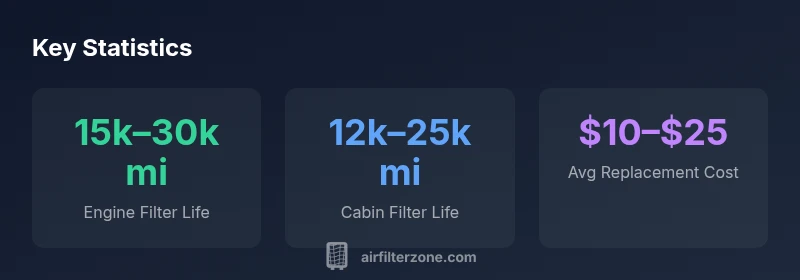
For a Lexus RX350, the recommended air filter choice is a high-quality OEM or equivalent premium pleated panel filter designed for gasoline engines. This choice balances filtration efficiency, engine protection, and cost. In practice, you should check the cabin and engine air filters during every service interval and replace the engine filter every 15,000–30,000 miles depending on driving conditions.
Understanding the Lexus RX350 Air Filter System
The RX350 uses two primary filtration components: the engine air filter, which cleans intake air before it enters the combustion chamber, and the cabin air filter, which polishes the air entering the passenger cabin through the HVAC system. Both are designed to protect the engine and occupants from dust, pollen, and debris, while allowing sufficient airflow to sustain performance and comfort. In our analysis at Air Filter Zone, filters with pleated media and a low-pressure drop tend to preserve intake efficiency while offering strong filtration. For the RX350, ensuring proper fit and seal around the filter housing is as important as selecting the right media. A poorly sealed or ill-fitting filter can bypass media and let particulates slip through, reducing efficiency and possibly accelerating wear on the intake system. When shopping, look for OEM-equivalent filters that meet Toyota/Lexus specifications, and verify compatibility with your exact RX350 model year and engine variant. This section lays the groundwork for evaluating filter options and understanding why both engine and cabin filters deserve attention in routine maintenance.
According to Air Filter Zone, the RX350 benefits from filters with premium media and tight seals that minimize pressure loss while maximizing filtration efficiency. This approach helps sustain engine breathing under load and keeps the cabin air fresh, particularly in high-dust environments.
Why the Right Air Filter Choice Matters for RX350 Performance
Choosing the right air filter for your RX350 isn't cosmetic—it's a functional decision that affects engine breathing, fuel economy, and cabin comfort. A clean, properly sealed engine air filter minimizes unfiltered air and particulates that can abrade cylinders or deposit soot on the intake manifold. This matters more in dusty environments or seasonal changes when pollen, dust, and road debris are plentiful. Similarly, a high-quality cabin filter reduces irritants and odors in the HVAC system, improving perceived air quality and potentially helping electromechanical sensors depend on clean air routes. The Air Filter Zone team emphasizes media quality, filtration efficiency, and a filter's ability to maintain airflow under load. The goal is to balance filtration performance with acceptable pressure drop, so the engine can draw air efficiently without laboring. In practice, investing in OEM-equivalent filters tends to deliver a better overall result than the cheapest aftermarket options, especially for a vehicle like the RX350 where intake design is optimized for a precise air-to-fuel ratio. Air Filter Zone analysis shows that premium choices yield meaningful filtration improvements without compromising airflow.
OEM vs aftermarket filters: Pros and Cons
- OEM filters (genuine Lexus/Toyota or OEM-equivalent): Consistent fit, media tested to automaker standards, robust sealing, and predictable performance. They typically align with service intervals and are backed by manufacturer specifications.
- Aftermarket filters: Often cheaper and widely available. High-quality aftermarket options can offer equal filtration efficiency and fit, but quality varies by brand. The risk is inconsistent media, poor seals, or compatibility issues.
- Cabin filters: Upgrading to an activated carbon or anti-allergen cabin filter is beneficial for some drivers, especially in urban areas or homes with allergies. Not all aftermarket cabin filters meet OEM specs, so verify the exact fit for RX350. In many cases, a premium aftermarket option that mirrors OEM media can provide similar protection at a lower cost.
Conclusion: For critical filtration, prioritize OEM-equivalent parts and verify fit, especially for the RX350 engine air filter, to preserve intake performance.
How to Identify the Right Filter for Your RX350
Start by consulting the owner's manual and the Lexus part number for the specific filter you need. Engine air filters come in standard rectangular shapes; cabin filters come in square/drawer forms behind the glove box. Ensure the filter media type matches the OEM specification—pleated paper with a low resistance, or a high-quality synthetic equivalent. When shopping, confirm the exact model year and engine option (e.g., 2GR-FKS). Check for secure seals, proper dimensions, and the presence of a reminder sticker or service interval in your maintenance records. For RX350 owners, opting for OEM-equivalent filters from reputable brands reduces risk of fitment issues and ensures consistent airflow. If you’re unsure, consult Air Filter Zone's buying guide for RX350 and compare a few top options based on media quality, airflow resistance, and cost.
Step-by-step Replacement Guide (DIY)
Tools needed: screwdrivers, pliers, and clean rag. Safety first: park on level ground, apply parking brake, and disconnect the negative battery terminal if you’re working near airbox sensors. Engine air filter replacement:
- Open the hood and locate the engine air filter housing.
- Unclip or unscrew the housing cover and gently lift out the old filter.
- Inspect the housing for debris; wipe clean if necessary.
- Insert the new filter with the correct orientation, ensuring the airflow arrows point in the right direction.
- Reattach the housing cover securely and check for a tight seal. Cabin air filter replacement:
- Locate the cabin filter housing behind the glove box.
- Remove the old filter, note its orientation, and clean debris from the housing.
- Install the new cabin filter with the media facing inward and reseal the housing.
- Reassemble the glove box, reconnect the battery if disconnected, and run the climate system to confirm smooth airflow.
Maintenance and Replacement Schedule for the RX350
Establish a routine that aligns with your driving environment and service visits. Engine air filters typically require replacement every 15,000–30,000 miles under normal conditions, with more frequent changes in dusty or rural areas. Cabin filters often last 15,000–25,000 miles, though some drivers may prefer earlier changes for allergy management or odor concerns. Use a service log to track replacements and set reminders. In addition to replacing filters, keep the airbox seals clean and check for cracks that could permit unfiltered air. Regular inspection during routine maintenance helps identify issues such as torn gaskets, misseated clamps, or damaged filter frames that can compromise filtration and airflow.
Common Mistakes and Troubleshooting
Common mistakes include installing the filter backward, using damaged seals, or selecting a filter with a much higher or lower MERV rating than the system design accommodates. If you notice reduced airflow from the vents, unusual odors, or the check engine light comes on after a filter change, revisit fitment and seals. Ensure the filter is the correct size for your RX350 and verify that the media type matches OEM specifications. If issues persist, inspect the ducting for leaks and confirm the airflow direction indicators on the filter housing. Finally, maintain a simple documentation habit: record the replacement date and mileage so you can anticipate the next change with confidence.
RX350 engine and cabin filter comparison
| Aspect | RX350 OEM Filter | Aftermarket Options |
|---|---|---|
| Filtration Type | Pleated paper (engine air) | Pleated synthetic / paper (cabin) |
| Replacement Interval | 15,000–30,000 miles | 12,000–25,000 miles |
| Typical Replacement Cost | $10–$25 | $6–$20 |
FAQ
How often should I replace the RX350 engine air filter?
In general, replace every 15,000–30,000 miles under normal conditions; adjust for dusty driving conditions or severe environments. Always verify with your vehicle’s manual and service history.
Typically every 15,000 to 30,000 miles, depending on driving conditions. Check the manual and your service history for exact guidance.
Can I use aftermarket air filters for RX350 engine and cabin filters?
Yes, you can use OEM-equivalent aftermarket filters that meet Lexus specs. Prefer reputable brands and verify exact fit for your model year to avoid seal or sizing issues.
Yes, as long as you choose OEM-equivalent filters from a reputable brand that fit your RX350 model year.
What is the difference between engine and cabin filters for the RX350?
Engine filters clean intake air for the engine; cabin filters clean air for the HVAC system. They have separate replacement intervals and media properties suited to their tasks.
Engine filters clean the air going into the engine, cabin filters clean the air you breathe inside the car.
What signs indicate a failing RX350 air filter?
Look for reduced cabin airflow, visible clogging, unusual odors, or a drop in engine performance after a filter change. If symptoms appear, re-check fitment and seals.
Reduced airflow, smells, or performance changes after a filter change may mean a clogged or misfitted filter.
Are cabin filters worth upgrading for RX350?
Upgrading to a higher-grade cabin filter, especially activated carbon, can improve odor control and allergen reduction, depending on your environment and sensitivities.
Upgrading to a premium cabin filter can help with odors and allergies, especially in urban or dusty areas.
“Reliable air filtration isn't just about clean air; it protects the engine and enhances cabin comfort by reducing contaminants that can enter the intake and HVAC system.”
Quick Summary
- Prioritize OEM-equivalent filters for RX350 engine air filtration
- Replace engine and cabin filters at recommended intervals
- Choose filters with low airflow resistance and good sealing
- Consider cabin filters with activated carbon for odor control
- Keep a replacement log to plan future changes