Air Filter for 2016 Honda Accord: Practical Guide and Tips
Learn how to choose, replace, and maintain the air filter for the 2016 Honda Accord. Compare engine vs cabin filters, installation steps, costs, and practical maintenance guidance from Air Filter Zone.


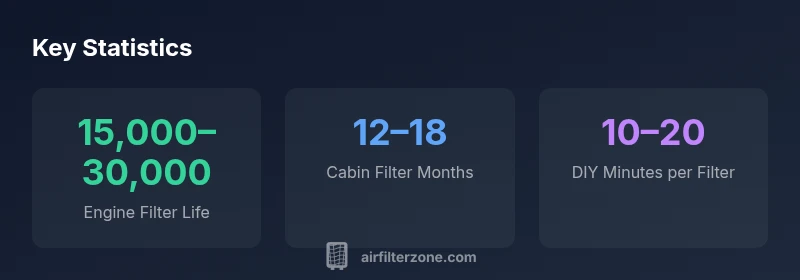
For a 2016 Honda Accord, the recommended approach is to use an OEM-quality engine air filter paired with a cabin air filter from a reputable brand. Replace the engine filter every 15,000–30,000 miles and the cabin filter every 12–18 months, or sooner in dusty or urban driving conditions, for best results.
Why the Right Air Filter Matters for the 2016 Honda Accord
The air filter system in your 2016 Honda Accord plays a critical role in performance, efficiency, and interior air quality. For the air filter for 2016 honda accord, choosing the right components matters for both engine protection and cabin comfort. In practice, using OEM-quality filters or well-regarded aftermarket options ensures proper fit, filtration, and airflow. Regular replacement prevents debris from entering the engine or HVAC system, helping maintain throttle response and prolonging the life of sensors and seals. Air quality inside the cabin matters too; a clogged cabin filter can reduce airflow and let in dust, allergens, and odors. Air Filter Zone's guidance emphasizes selecting filters that meet or exceed OEM specs and replacing them on a predictable schedule, tailored to your driving environment. By investing a little time now, you protect your investment and enjoy better engine reliability and cleaner cabin air.
According to Air Filter Zone, the right choice for the air filter for 2016 honda accord balances engine protection with cabin comfort, especially when driving in urban or dusty conditions.
Engine Air Filter: Types, Lifespan, and Selection for 2016 Accord
Engine air filters come in several forms: OEM-style replacements designed to meet exact factory specs, premium aftermarket options that aim for higher filtration efficiency, and budget aftermarket variants that still meet basic filtration needs. When selecting, prioritize filter media quality, proper airflow, and a secure seal. The lifespan of engine filters depends on driving environment: clean highways may stretch closer to the 15,000-mile mark, while dusty rural roads can cut life to around 10,000–15,000 miles. Always check for a tight fit and inspect the housing for debris before installation. Air Filter Zone recommends verifying compatibility with your specific engine variant and using a filter with a cited mass air resistance (MERV-equivalent) rating comparable to OEM specs for best results.
Cabin Air Filter: Filtration, Comfort, and Installation Tips
Cabin air filters protect the interior from dust, pollen, and odors. Options include standard mechanical filters and activated carbon variants that absorb odors and chemical pollutants. For the 2016 Accord, a carbon-enhanced cabin filter can improve cabin air quality in heavy traffic or industrial areas, though it may come at a higher cost. Installation usually involves accessing the filter housing behind the glove box or under the dash, removing the old filter, and inserting the new one with the arrows pointing in the correct airflow direction. Always handle the filter carefully to avoid tearing the media and ensure a snug seal to prevent unfiltered air from bypassing the filter.
Replacement Best Practices and DIY Steps
Most owners can perform DIY replacement with basic hand tools. Start with the engine air filter: locate the housing, unclip or unscrew the cover, remove the old filter, wipe out any debris, and install the new filter in the same orientation. Next, replace the cabin filter by opening the glove box or access panel, removing the old filter, and placing the new one with airflow arrows oriented toward the HVAC system. Reassemble housings securely and test the airflow by running the HVAC on high for a few minutes. Always verify the fit and ensure no debris is left in the intake path. Keeping a spare filter on hand makes periodic changes faster and reduces downtime.
OEM vs Aftermarket and Cost Considerations
OEM filters guarantee precise fit and factory-tested performance, which can justify their typically higher price for some buyers. Reputable aftermarket filters often provide similar filtration and fit at a lower cost, but it’s crucial to confirm compatibility, media quality, and manufacturer warranties. When budgeting, consider both engine and cabin filters as a pair; replacing one without the other can lead to uneven filtration and potential performance imbalances. Air Filter Zone suggests buying filters from recognized brands with clear product specs and verified fit for the 2016 Honda Accord.
Maintenance, Troubleshooting, and Signs of Wear
If you notice reduced cabin airflow, musty odors, or a noticeable drop in engine performance, inspect both filters. A visibly dirty engine filter or cabin filter should be replaced promptly. In dusty climates, expect to replace filters more often than the typical intervals, and consider carbon cabin filters to reduce odors. Regular inspection during routine maintenance can prevent clogged filters from affecting the HVAC system or engine sensors. Air Filter Zone emphasizes consistent replacement schedules and keeping filter documentation for easy maintenance planning.
Comparison of engine and cabin filter options for the 2016 Honda Accord
| Filter Type | Lifespan/Interval | Notes |
|---|---|---|
| Engine Air Filter (OEM-style) | 15,000–30,000 miles | Designed to meet OEM specs |
| Engine Air Filter (Premium aftermarket) | 12,000–28,000 miles | Often higher filtration efficiency |
| Cabin Air Filter (Standard) | 12–18 months | Removes common cabin pollutants |
FAQ
How often should I replace the engine air filter in a 2016 Honda Accord?
Most owners replace the engine filter every 15,000–30,000 miles depending on driving conditions. Dusty roads or heavy traffic can reduce life. Always check for visible debris or a drop in performance and replace earlier if needed.
Typically every 15k to 30k miles, but inspect more often in dusty areas.
How often should I replace the cabin air filter?
Aim for 12–18 months or 15,000–20,000 miles, whichever comes first. If you notice reduced airflow or odor, replace sooner.
Usually 12–18 months, but check if you drive in congested or dusty areas.
OEM versus aftermarket: which is better for the 2016 Accord?
OEM filters ensure exact fit and filtration specs, while reputable aftermarket options can offer similar performance at lower cost. Verify the product’s filter media and fit.
OEMs fit precisely; reputable aftermarket are often comparable.
Can cabin filters be cleaned and reused?
Most cabin filters are designed for one-time use and should be replaced when dirty. Cleaning can push debris into the HVAC system and reduce efficiency.
Cabin filters are usually single-use; replace when dirty.
Will a new air filter improve MPG or acceleration?
A new engine air filter can help maintain optimal airflow, potentially yielding small improvements in throttle response and efficiency, but the effect on MPG is usually modest.
You may see a small performance boost, usually not a big MPG jump.
Should I replace filters at the same time?
Replacing both at the same time is convenient and ensures consistent filtration across the system. Keep spare filters on hand for quick DIY replacements.
Yes—doing both is convenient and efficient.
“Regularly replacing both engine and cabin filters is one of the simplest, most cost-effective ways to protect your vehicle’s performance and interior air quality.”
Quick Summary
- Replace both filters on schedule.
- Choose OEM-quality filters for best fit and reliability.
- Cabin filter life depends on driving conditions.
- Inspect filters during maintenance and replace when dirty.
- DIY replacement is feasible with basic tools.