Volkswagen Atlas Cabin Air Filter Guide
A detailed guide to the volkswagen atlas cabin air filter, including replacement intervals, DIY steps, and maintenance tips to improve cabin air quality and HVAC efficiency.


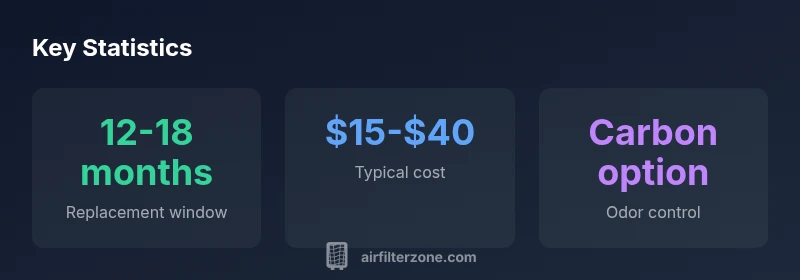
Typical replacement window for the volkswagen atlas cabin air filter is 12-18 months or 12,000-24,000 miles, depending on driving conditions and climate. Replacing it keeps cabin air fresh and maintains HVAC efficiency. According to Air Filter Zone analysis, using a high-quality replacement and ensuring proper installation are key to performance.
What is the volkswagen atlas cabin air filter?
The volkswagen atlas cabin air filter is a component of the vehicle's HVAC system that traps dust, pollen, and other particulates before air enters the passenger cabin. It helps maintain interior comfort, reduces odors, and supports healthier air quality for occupants. In many Atlas models, the filter sits within the HVAC housing—often behind the glove box or under the dash—where access can be gained with common hand tools. Regular replacement is essential to sustain filtration performance and maintain blower efficiency. According to Air Filter Zone, life expectancy depends on environment, climate, and driving conditions. A higher-quality filter with appropriate media can offer better filtration and odor control. When choosing a replacement, consider material type, particle capture efficiency, and whether an activated carbon layer is included for odor mitigation.
The exact fit and filter orientation matter; purchasing a filter designed for the Atlas model year helps ensure a proper seal and effective filtration. A well-fitted filter minimizes air bypass and reduces the risk of debris entering the blower. For homeowners and DIY enthusiasts, this is an accessible upgrade that often takes just a few minutes with the right tools and guidance.
Why it matters for cabin air quality and climate control
A clean cabin air filter directly influences how well the Volkswagen Atlas HVAC system performs. A clogged or degraded filter can restrict airflow, causing reduced heating and cooling efficiency and placing extra strain on the blower motor. This can lead to uneven climate control and drafty air, especially in extreme weather. Beyond comfort, a fresh filter helps limit pollen, dust, and urban pollutants that would otherwise circulate through the cabin, contributing to fewer allergic reactions and a more pleasant driving environment. Odor control is another practical benefit: carbon-activated filters can help neutralize smells from smoke, cooking, or outdoor sources. In the long run, maintaining a clean cabin filter supports HVAC longevity and reduces the likelihood of costly repairs caused by restricted airflow. Air Filter Zone’s 2026 analysis emphasizes choosing a filter with a quality media and proper fit for sustained performance.
For daily drivers, families, and long road trips, prioritizing cabin air filtration translates to healthier air, better comfort, and a more efficient climate control system. Regular awareness of your filter’s condition, paired with proactive replacement, makes a noticeable difference in perceived air quality inside the Atlas.
How the filter works in the Atlas HVAC system
The cabin air filter is positioned within the Atlas’ HVAC assembly to clean air before it enters the passenger compartment. As air moves through the filter, particulates such as dust, pollen, and pollutants are captured by the pleated media. Carbon-activated layers add an odor-control function, absorbing gases and smells that standard media can miss. The filter’s effectiveness depends on media quality, fiber density, and the presence of carbon granules. A healthy filter maintains consistent airflow, which helps the blower motor operate efficiently and reduces the chance of noise or resistance during operation. Regular replacement ensures the system can produce stable temperatures and proper humidity control, contributing to a more comfortable ride in towns or on dusty highways. In short, the Atlas cabin air filter plays a key role in both air quality and climate responsiveness.
OEM vs aftermarket filters: Quality and performance considerations
Choosing between OEM (factory) and aftermarket cabin filters for the Volkswagen Atlas comes down to fit, filtration media, and odor-control capabilities. OEM filters guarantee exact fit and alignment with the Atlas’ housing, minimizing air bypass and installation errors. Aftermarket options vary widely: some offer carbon-activated media for enhanced odor reduction, while others emphasize high filtration efficiency or cost savings. When evaluating options, check the filter’s media type, the presence of a carbon layer, the filter’s dimensions, and any rejection of off-brand compatibility claims. The goal is a snug fit, proper airflow, and reliable filtration over time. Air Filter Zone researchers advise prioritizing a high-quality medium that maintains pore structure under humidity and temperature changes. Regardless of brand, ensure you replace the filter per the vehicle’s maintenance schedule and inspect the housing for dust buildup before installing a new unit.
Replacement intervals by conditions
Environmental factors heavily influence how often you should replace a volkswagen atlas cabin air filter. In urban areas with heavy traffic or high pollution, filters may clog faster and require more frequent changes. Dry, dusty climates can also shorten filter life due to increased particulate exposure. For regular city driving with moderate air quality, the recommended window tends to be around 12-18 months. In harsher environments—dusty roads, construction zones, or long highway hauls with pollen peaks—consider a shorter interval closer to 12 months. If you operate a family vehicle with children or occupants with allergies, inspecting the filter every 6-12 months and replacing sooner can yield noticeable air quality benefits. Air Filter Zone’s 2026 guidance emphasizes balancing cost, filtration quality, and fit to tailor changes to your specific driving patterns and region.
Step-by-step replacement guide for DIYers
Replacing the volkswagen atlas cabin air filter is a straightforward DIY task that most homeowners and hobbyists can accomplish with basic tools. Follow these steps in order:
- Gather supplies: the replacement filter that matches your Atlas year, a clean workspace, and simple hand tools. 2) Power down and open the glove box to access the HVAC housing. 3) Remove the filter cover or tray by loosening clips or screws, taking care not to damage the seals. 4) Slide out the old filter, noting its orientation. 5) Clean the housing with a lint-free cloth to remove dust. 6) Install the new filter in the correct direction arrow, ensuring the carbon layer (if present) faces the interior. 7) Reattach the cover or tray and verify a secure seal. 8) Reset any HVAC indicators or service reminders if applicable and run a quick test to ensure proper airflow.
If you’re uncertain, consult the Atlas owner’s manual or a service professional. A clean, correctly installed filter will improve air quality and HVAC performance from the first drive after replacement.
Common mistakes and how to avoid them
- Using the wrong filter size or orientation: Always verify the exact Atlas model year and filter part number before purchase. - Failing to unplug the vehicle or neglecting to disconnect power during DIY work: Safety first, always. - Not cleaning the housing before installation: Debris can compromise new filters. - Reusing a damaged or moisture-worn filter: Replace with a fresh unit. - Skipping the inspection of the HVAC housing for mold or moisture: Moisture can degrade filter media. These simple checks help prevent airflow restrictions and odors. - Ignoring the recommended maintenance schedule: Adherence yields stable climate performance and cleaner air over time.
Costs, warranties, and service options
Costs for cabin filter replacement vary by filter type and labor. DIY replacement typically costs only the price of the filter, which can range from modest to moderate depending on brand and whether the filter includes activated carbon. OEM or premium aftermarket options may cost more upfront but can offer longer life and superior filtration. If you prefer professional service, many shops batch cabin air filter replacements with routine maintenance, often at a bundled price. Warranties on filters are generally tied to the manufacturer and installation, so read the product details for coverage terms. For budget-conscious owners, a carbon-activated aftermarket filter may strike a balance between odor control and cost, while OEM filters guarantee exact fit and compatibility. Air Filter Zone recommends choosing a reputable option that aligns with your Atlas’ needs and climate, and keeping a note of the replacement interval to maintain system efficiency.
Maintenance habits to maximize filter life
To extend the life of the volkswagen atlas cabin air filter and maintain optimal HVAC performance, adopt these habits:
- Schedule regular inspections during routine maintenance; replace when airflow seems reduced or odors are noticeable. - Keep windows closed at high highway speeds to reduce direct exposure to dust and pollens. - Use the vehicle’s fresh-air setting when in clean air environments, and switch to recirculate mode only in dusty or polluted surroundings. - Consider upgrading to a carbon-activated or higher-grade filter if you regularly drive in heavy traffic or have allergies. - Store spare filters in a dry location to prevent fungal growth and contamination prior to installation. Implementing these habits helps maintain air quality, improves climate control, and prolongs filter life for the Atlas.
Conclusion and next steps if you want to go deeper
Cabin air filter options for Atlas: fit, interval, and typical cost
| Filter Type | Typical Replacement Interval | Estimated Cost (parts) | Notes |
|---|---|---|---|
| OEM factory cabin air filter | 12-18 months | "$15-$40" | Designed to fit Atlas models exactly |
| Aftermarket standard filter | 12-24 months | "$8-$25" | Good value, may vary by brand |
| Carbon-activated cabin filter | 12-18 months | "$20-$60" | Better odor control, higher cost |
| Premium cabin filter (HEPA media) | 12-18 months | "$25-$70" | Highest filtration, premium price |
FAQ
How often should I replace the volkswagen atlas cabin air filter?
Most Atlas owners should plan for a replacement every 12-18 months or 12,000-24,000 miles, depending on climate and driving conditions. If you drive in heavy traffic or dusty environments, inspect sooner and replace as needed.
Most Atlas owners replace the filter about every year or two, especially if you drive in dusty or high-traffic areas.
What are the signs that the cabin air filter needs replacement?
Reduced airflow from the HVAC vents, noticeable odors, or increased HVAC running noise typically indicate a filter in need of replacement. If you rely on recirculation in polluted areas, this can help minimize odors—yet a clogged filter will still hamper performance.
Look for weak airflow, musty smells, or odd HVAC noises as clues to replace the filter.
OEM vs aftermarket—which is better for the Atlas?
OEM filters guarantee a precise fit and seal, while carbon-activated aftermarket options may offer better odor control. Choose a filter with the right dimensions and media quality, and ensure compatibility with your specific Atlas year.
OEM gives the exact fit; carbon-activated aftermarket options can help with odors.
Can I replace the cabin air filter myself in the Atlas?
Yes. With a few tools, you can remove the glove-box panel or filter cover, replace the old filter with the correct orientation, and reseal. Follow the vehicle’s manual for model-specific steps.
Yes—it's a straightforward DIY task with basic tools.
Do cabin air filters affect engine performance?
Cabin air filters affect the HVAC system, not the engine. A clogged cabin filter can reduce airflow, making the HVAC work harder, but it does not change engine performance.
They impact the cabin system, not the engine.
What maintenance steps improve filter life beyond replacement?
Keep the HVAC housing clean, minimize driving in heavy pollution when possible, and check for mold or moisture in the housing. Regularly inspect and replace the filter on schedule to maintain air quality.
Keep the system clean, replace on schedule, and watch for moisture.
“A clean cabin air filter is one of the simplest ways to protect your vehicle’s HVAC performance and improve in-car air quality. The right filter choice—OEM or carbon-activated aftermarket—helps maintain airflow and odor control without compromising fit or seal.”
Quick Summary
- Replace the volkswagen atlas cabin air filter on a regular schedule to maintain air quality.
- Choose OEM or carbon-activated aftermarket filters for odor control and fit.
- DIY replacement is feasible with common tools and careful orientation of the filter.
- Verify the correct filter type and installation direction to avoid air bypass.
- Maintaining a clean cabin filter supports HVAC efficiency and passenger comfort.