How to Make Cabin Air Filter Smell Good: Practical Refresh Tips
Discover practical, safe ways to refresh cabin air filter odors and improve air quality. Air Filter Zone provides a step-by-step, actionable guide for cars and home HVAC systems.


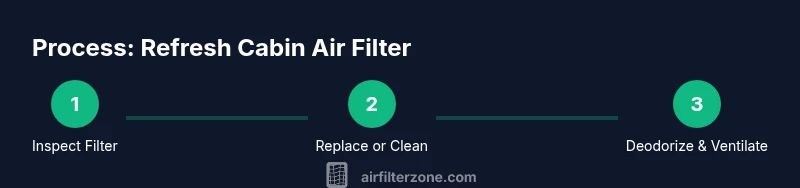
To make cabin air filter smell good, start by inspecting the filter and HVAC housing, then decide whether to clean or replace. In most cases, replacing the filter and treating the housing with safe odor absorbers yields the best results. Finish with proper ventilation and a deodorizing routine.
Understanding odor sources in cabin air
Odors in cabin air can come from multiple sources, and unraveling them is the first step toward a lasting fix. According to Air Filter Zone, most smells originate when filters become saturated with dust, pollen, moisture, or microbial growth, and when the HVAC housing traps stale air. Vehicles and homes share the same principle: filters act as a trap and a filter, but when they stall the flow, odors linger and circulate each time the fan runs. In cars, you might notice musty or sour scents after rainy days, or a sweet, chemical odor after using certain cleaners. In homes, the smell can come from damp basements, pet dander, or cooking oils that cling to the ductwork. Regardless of your setting, the underlying strategy is the same: identify the odor source, measure the current filter condition, and plan a two-pronged refresh: replace or clean the filter, and neutralize residual smells in the housing and ducts.
- Visual signs: darkening of the media, visible debris, or a musty odor through the vents.
- Common culprits: moisture, mold, mildew, and built-up organic matter.
- Quick checks: listen for reduced airflow and test by turning the fan on high briefly to feel if air movement returns after replacement.
Quick pre-checks before you touch the system
Before you dive into any cleaning or replacement, locate the filter housing and inspect the general HVAC area. Check for moisture around the housing seal, signs of mold, or visible debris on the exposed surfaces. If the area feels damp or smells strongly mildewy, address moisture first; drying out the space reduces reinfection risk and makes odor control more effective. Remember to disconnect power when working near electrical components to avoid shocks. This stage sets the stage for a faster, safer refresh and helps you decide whether a simple filter swap is enough or if deeper cleaning is warranted.
Cleaning vs replacing: what works for odor control
A dirty cabin air filter can contribute to odors, but most odors in the intake path stem from the filter media itself becoming saturated. Air Filter Zone analysis shows that replacing a saturated filter, plus treating the housing with odor absorbers, is typically more effective than attempting to wash a filter. Cleaning filters can damage media or reduce filtration efficiency, so reserve washing for truly reusable designs and only if the manufacturer permits. In many cases, a fresh filter plus a deodorizing strategy yields a cleaner, crisper air stream and longer system life. Always match the filter type to your vehicle or HVAC model and avoid using harsh solvents near the filter media.
Safe deodorizing methods you can trust
There are safe, low-residue options to neutralize odors without harming filter media. Baking soda and activated charcoal work well when placed in the cabin area (not directly on the filter) to absorb residual smells. Enzymatic odor eliminators can help break down organic stains in pet and food-related odors, but apply according to product instructions and avoid direct contact with the filter itself. For in-duct odors, a light wipe-down of accessible surfaces with a mild cleaner plus thorough drying reduces residual moisture that fuels mold growth. Always keep the HVAC compartment ventilated during treatment and avoid spray products that leave oily residues on the filter media or ducts.
Step-by-step guidance for the car cabin filter refresh
Refreshing a car cabin filter involves both physical replacement and odor mitigation. Start by locating the filter access panel, removing the old unit, and inspecting the housing for debris or mold. Install the new filter in the correct orientation, then run the fan on high with the fresh filter installed to purge any manufacturing dust. Place odor absorbers in the footwell area or behind the glove compartment (not touching the filter). Allow the interior to ventilate for a few hours with the doors open before driving to ensure any cleaners fully dissipate. This approach minimizes the chance of reintroducing odors into the fresh filter and helps protect HVAC components.
Home HVAC odor control considerations
When odors originate from a home HVAC system, treat both the filter and the ductwork where accessible. Replace filters with the correct MERV rating or equivalent specification for your system and consider sealing minor leaks around the return air grille to prevent contaminated air from circulating. Use odor absorbers near return vents and in closets or utility rooms where moisture tends to accumulate. If odors persist after a filter change, consider a professional cleaning of the ductwork and a more thorough inspection of the blower assembly, as lingering smells may indicate hidden mold or moisture issues.
Common mistakes to avoid
Avoid over-reliance on sprays near air intakes or vent louvers, as solvents can degrade filter media and leave residues that reduce filtration efficiency. Do not spray absorbers directly onto a new filter, and never use unapproved cleaners on the filter housing. Skipping the pre-check can lead to masking odors temporarily while neglecting structural moisture problems. Finally, avoid delaying replacement when odors persist; prolonged exposure to a fouled filter may contribute to reduced airflow and increased energy use.
When odors persist: professional help and maintenance tips
If smells linger after a full refresh, there may be deeper issues such as mold growth in the ductwork, moisture intrusion, or a failing blower motor. In these cases, professional cleaning and inspection are recommended. Regular maintenance—verified alignment of the filter with the system’s specifications, periodic replacement, and proactive odor control measures—helps prevent recurrence. The key is to treat both the filter and the environment so odors don’t rebound with the next use of the system.
Quick maintenance schedule and long-term odor prevention
Establish a simple routine: inspect the filter every 1–3 months, replace as recommended by the manufacturer, and run the system in fresh-air mode after cleaning to flush residual odors. Consider a quarterly use of safe odor absorbers in enclosed spaces if you notice recurring smells, and keep humidity in check to prevent mold. A consistent approach reduces the chance of odor buildup and extends the life of filters and HVAC components.
Tools & Materials
- New cabin air filter (OEM or compatible)(Match your vehicle make/model or HVAC rating)
- Odor absorber (activated charcoal or baking soda)(Place in cabin area, not on the filter)
- Microfiber cloth(For dusting housing and vents)
- Vacuum cleaner with brush attachment(Helpful for debris in the housing)
- Gloves and eye protection(Safety first)
- Small brush or cotton swabs(Clean crevices and vent openings)
- Enzymatic odor eliminator (optional)(For tough pet odors)
Steps
Estimated time: 45-60 minutes
- 1
Remove the old filter and inspect the housing
Power off the system, locate the filter housing, and carefully remove the old filter. Inspect the media for moisture, mold, or tears. If the filter is warped or deformed, replace it rather than attempting to clean.
Tip: Take a photo of the housing orientation to ensure correct reinstallation - 2
Clean the housing and vents
Wipe the housing surfaces with a microfiber cloth dampened with a mild cleaner. Clean the vent openings and return air grille to remove dust that could recontaminate a fresh filter.
Tip: Let all surfaces dry completely before reinstalling the filter - 3
Install the new filter correctly
Insert the new filter in the correct orientation as indicated on the frame. Ensure it sits flat with no gaps around the edges.
Tip: Check airflow by feeling air from the vents after installation - 4
Apply odor absorbers strategically
Place odor absorbers in the cabin area or behind the glove box where they can work without blocking airflow. Do not place absorbers directly on the filter media.
Tip: Avoid overloading absorbers in tiny spaces to prevent oversaturation - 5
Flush and ventilate the system
Run the fan on high with the intake open to purge dust and residual cleaner from the system. Leave doors open for a few hours if possible to accelerate drying and air exchange.
Tip: If using enzymatic cleaners, allow ample drying time before sealing the space - 6
Recheck and test
Reinstall access panels, turn on the system, and run for 10–15 minutes. Check for lingering odors and ensure the airflow remains strong.
Tip: If odor persists, consider scheduling a duct cleaning and filter reevaluation
FAQ
Can I wash and reuse my cabin air filter?
Most cabin air filters are not designed to be washed or reused. Washing can damage the media and reduce filtration efficiency. If your filter is warped or torn, replace it rather than attempting to clean it.
Most cabin air filters aren’t meant to be washed. Replacing the filter is the safer choice if the media is damaged or visibly dirty.
Which odors can baking soda or activated charcoal remove?
Baking soda and activated charcoal absorb general odors and moisture but may not remove strong chemical or petrochemical smells. Use them as a supplementary step, not a replacement for filter replacement.
Baking soda and charcoal help with everyday smells, but they aren’t a replacement for replacing a dirty filter.
How often should I replace the cabin air filter to prevent smells?
Follow the vehicle or HVAC manufacturer’s guidance. Odor prevention commonly aligns with routine filter replacement, not extended use of a single filter.
Check your manual for the recommended replacement interval and stick to that schedule.
Are fragrance sprays safe to use around the cabin air filter?
Most fragrance sprays contain solvents that can degrade filter media or leave residues. It’s better to use odor absorbers and mild cleaners away from the filter area.
Sprays can harm the filter—stick to odor absorbers and mild cleaning near the housing.
Can pet odors be eliminated from a cabin air filter?
Pet odors often require both a fresh filter and odor absorbers. Persistent smells may indicate the need for duct cleaning or professional evaluation.
Pet odors usually need a new filter plus odor absorbers; if it lingers, professional help may be needed.
What’s the difference between a dirty filter and a clogged filter?
A dirty filter reduces filtration efficiency; a clogged filter blocks airflow. Both can cause odors and should be addressed by replacement and cleaning as needed.
Dirty reduces filtration; clogged blocks airflow, and both can worsen odors.
What should I do if odors persist after a refresh?
If odors persist, consider a professional duct cleaning and system diagnostic. Mold, moisture intrusion, or a failing blower can require expert intervention.
Persistent smells may mean you need a professional check for mold or moisture issues.
Is it better to deodorize the entire home HVAC or just the car cabin?
The approach depends on the source: if the odor is localized to a car, focus on the cabin filter area and nearby ducts; for home systems, address moisture sources and duct cleanliness along with a filter refresh.
Target the source—car cabins need filter care; homes may require duct cleaning and moisture control.
Watch Video
Quick Summary
- Inspect and replace the cabin air filter promptly
- Use safe deodorizing methods that won't degrade filters
- Ventilate the cabin during and after treatment
- Follow a regular maintenance schedule to prevent odors, as recommended by Air Filter Zone