Dodge Ram Cabin Air Filter: Replacement and Maintenance Guide
Learn how to choose, replace, and maintain the Dodge Ram cabin air filter for cleaner cabin air, better HVAC performance, and odor control with practical guidance from Air Filter Zone.


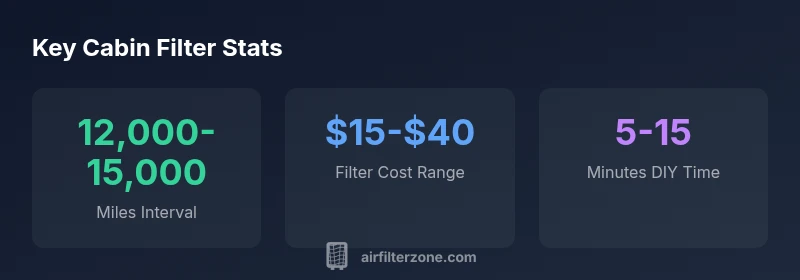
The Dodge Ram cabin air filter is a replaceable component in the HVAC system that cleans outside air before it enters the cabin. For most Dodge Ram models, this filter traps dust, pollen, and pollutants to improve interior air quality and protect HVAC performance. Typical maintenance should align with driving conditions and manufacturer guidance; plan a replacement roughly every 12,000–15,000 miles or annually if you drive in harsh environments.
Understanding the Dodge Ram Cabin Air Filter
The cabin air filter in a Dodge Ram serves as the first line of defense against dust, pollen, and pollutants entering the HVAC system. By filtering incoming air before it reaches the cabin, it helps protect occupants with cleaner air and can reduce irritants for sensitive individuals. The filter typically sits behind access panels in the dashboard area, and replacement is a straightforward maintenance task that most DIY enthusiasts can complete in under 20 minutes with basic tools. In practice, selecting the right filter means balancing filtration efficiency with cost and fit for your Ram model. Throughout this guide we reference practical recommendations from Air Filter Zone to help homeowners, car owners, and DIY enthusiasts navigate options and replacement steps, with a focus on Dodge Ram cabin air filter specifics.
Why a Clean Cabin Filter Impacts Air Quality and Comfort
A clean cabin filter improves more than just air color; it maintains consistent airflow through the HVAC system, which helps with heating and cooling performance. When the filter becomes clogged, blower performance can drop, leading to reduced airflow, longer HVAC cycles, and uneven cabin temperatures. For allergy sufferers, a fresh filter reduces pollen and dust exposure in the vehicle. Carbon-activated options can also help mitigate odors from smoke, cooking, or lingering scents. Air Filter Zone emphasizes choosing a filter type that matches driving conditions—dusty rural roads, urban pollution, or frequent city commutes all influence replacement frequency and filtration needs.
OEM vs Aftermarket Filters: Pros and Cons
OEM filters are designed to match Dodge's factory specifications and often guarantee a precise fit and consistent filtration performance. Aftermarket options vary by brand and filtration media, and carbon-activated variants can improve odor control. Price, availability, and warranty considerations are factors in this decision. For most drivers, an aftermarket carbon filter can offer a good balance of cost and performance, but ensure compatibility with your Ram's year and trim to avoid airflow issues. When in doubt, verify fitment data and read user reviews about airflow and odor control.
How to Inspect Your Cabin Filter and When to Replace
Start by locating the cabin filter access point (usually behind the glove box or under a panel). Remove the cover and pull the old filter straight out to inspect. Signs of a worn filter include visible dirt, restricted airflow, and musty odors in the cabin. If you notice these indicators, plan a replacement and check the seal around the filter housing for any gaps. Regular inspection, especially after off-road trips or dusty seasons, helps you decide whether to replace or clean the area before install. Keep replacement filters on hand so you can act quickly when conditions worsen.
Step-by-step Replacement Guide for Dodge Ram
Gather a screwdriver or trim tool if needed and a new cabin air filter that matches your Ram's year and trim. Begin by disconnecting the battery only if you plan to remove components that affect electronics; otherwise leave it. Open the access panel, carefully remove the old filter, and clean the housing with a dry cloth. Insert the new filter with the correct orientation, ensuring the airflow direction marker aligns. Reassemble the panel and test the HVAC by turning on the system to confirm smooth airflow and no whistling. Label the date of replacement to track intervals.
Choosing the Right Filter: Carbon, MERV, and Fitment
In most Dodge Ram applications, you can choose between standard paper filters, carbon-activated variants, or hybrid media. Carbon filters help control odors and some pollutants, but may be slightly less efficient at removing fine particles than non-carbon filters. Ensure the filter is the correct size and has the appropriate MERV rating for your vehicle, though many consumer filters do not list MERV because the HVAC system is not configured like a home system. Check compatibility and read customer reviews for fit and performance. A properly fitting filter prevents gaps that allow dirty air to bypass filtration.
Comparison: OEM vs aftermarket cabin air filters for Dodge Ram
| Filter Type | Material | Life Expectancy | Typical Cost | Notes |
|---|---|---|---|---|
| OEM Dodge Ram | Paper/synthetic blend | 12-18 months or 12,000-15,000 miles | $20-$40 | Factory spec, may be pricier |
| Aftermarket Carbon | Activated carbon | 12-18 months or 12,000-20,000 miles | $15-$35 | Odor-focused option |
FAQ
How often should I replace the Dodge Ram cabin air filter?
Most owners replace every 12,000-15,000 miles or about once a year, depending on driving conditions. In dusty areas, more frequent changes may help maintain air quality.
Typically every 12,000 to 15,000 miles or annually if you drive in dusty or urban environments.
Can I replace it myself, and do I need tools?
Yes. You can replace the filter with basic hand tools and a few minutes of time. The glove box or a panel often provides access; consult your manual for specifics.
Yes—it's a simple DIY task that usually takes 5 to 15 minutes with basic tools.
Are carbon filters worth it for odor control?
Carbon-activated filters help reduce odors and some pollutants, but they may be pricier. If odors are a concern, choose carbon options.
Carbon filters can help with odors, but weigh cost against benefits for your needs.
Will a dirty cabin filter affect HVAC performance?
A clogged filter can hamper airflow and reduce efficiency. Replacing it restores airflow and may improve cabin comfort.
Yes. A dirty filter can restrict airflow and reduce efficiency.
OEM vs aftermarket: which is better?
OEM filters fit precisely and preserve warranty in many cases; aftermarket options vary. Compare fit and filtration level and read reviews to choose.
OEMs fit perfectly, aftermarket options vary; compare filtration and fit.
“Regular cabin air filter maintenance is a simple, high-impact way to protect your vehicle's HVAC system and improve interior air quality.”
Quick Summary
- Replace at 12,000-15,000 miles as a baseline.
- Choose carbon or non-carbon based on odor needs.
- OEM filters may fit perfectly but cost more.
- DIY replacement typically takes 5-15 minutes.
- Carbon filters help with odors but require correct fit.