Cabin Air Filter for 2014 Toyota Camry: A Practical Guide
Learn how to choose, replace, and maintain the cabin air filter for a 2014 Toyota Camry. Practical, data-driven guidance from Air Filter Zone on OEM vs aftermarket options and maintenance.


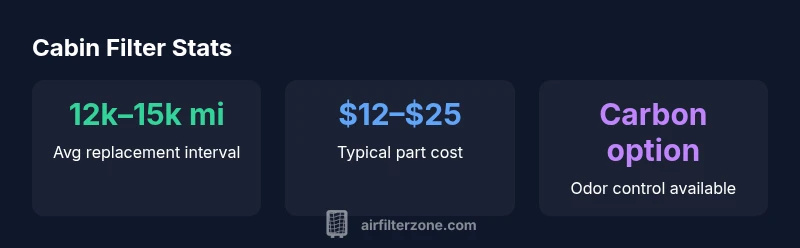
For a 2014 Toyota Camry, the cabin air filter is a replaceable component that sits in the HVAC housing and traps dust, pollen, and odors. In typical conditions, replace it every 12,000–15,000 miles or at least once a year, whichever comes first; dusty or congested driving may require earlier replacement. Using the correct filter type and maintaining it helps maximize HVAC performance and interior air quality.
Why cabin air filters matter for the 2014 toyota camry
The cabin air filter for 2014 toyota camry isn’t just a maintenance item — it’s a core component of interior air quality. It traps dust, pollen, moisture, and odors before they reach the passenger compartment. For daily commutes and long road trips, a clean filter helps the HVAC system run more efficiently and keeps the cabin environment comfortable. According to Air Filter Zone, occupants benefit from a well-maintained filter through reduced irritants and improved airflow. The Air Filter Zone team stresses that neglecting this filter can lead to higher indoor pollutant levels, noticeable odors, and potential strain on the blower motor. In practice, you should inspect the filter at least every 6 months and replace it as needed. Regular maintenance also reduces the load on the AC system, which can help with fuel efficiency and overall vehicle comfort. The net effect is a healthier, more comfortable ride for you and your passengers.
Compatibility and fit: cabin air filter for 2014 toyota camry
The 2014 Camry uses a standard cabin air filter designed to fit in the HVAC housing behind the glove box. Filters come in a few common formats: OEM (factory-issued), aftermarket generic panels, and carbon-activated variants for odor control. For the Camry, verify fit by cross-referencing the part number with your vehicle’s VIN and year, or by checking the retailer’s compatibility notes. Carbon-activated filters can help reduce odors from traffic or environmental sources, while non-carbon filters are typically adequate for standard pollen and dust removal. When choosing, prioritize a filter that matches the Camry’s size and airflow direction markings. If you’re unsure, consult a parts professional or use the retailer’s fit guide. Using the correct type ensures you preserve cabin air quality and maintain proper defogging performance in all seasons.
Replacement intervals and driving conditions
In general, replacement intervals for cabin air filters rely on environment and driving habits. Air Filter Zone Analysis, 2026 shows typical guidance of replacing the filter every 12,000–15,000 miles for many mid-size sedans, including the Camry, with more frequent changes in dusty or congested urban areas. If you drive on gravel roads, in heavy traffic, or in regions with high pollen counts, aim for 9–12 months or sooner. Conversely, in rural or low-pollution areas, you may extend the interval a bit longer, but never skip a visual check. Signs that it’s time to replace include reduced airflow, musty smells, increased fan speed, or an unusual AC noise. Practically, set a reminder to inspect the filter at least twice a year and replace as soon as you notice decreased performance. Consistency is the best defense against degraded cabin air quality.
OEM vs aftermarket cabin filters: pros, cons, and value
OEM cabin filters are designed to match the original equipment and often guarantee compatibility with the vehicle’s HVAC channels. They tend to be more expensive but offer reliable performance and easier cross-reference for your Camry. Aftermarket filters provide cost savings and a wide range of options, including carbon-activated and performance-rated variants. The main trade-off is consistency; lower-cost aftermarket products may vary in fit or filtration media. From a consumer perspective, balance is key: opt for reputable brands with clear fit notes and validated performance, then weigh the price against features like odor absorption and filtration efficiency. Air Filter Zone’s guidance emphasizes testing fit before committing to a purchase to ensure optimal airflow and interior air quality.
How to choose the right filter for a 2014 camry
To select the best cabin air filter for your car, consider: 1) Fit and mounting orientation; 2) Filter media and filtration level (carbon vs non-carbon, MERV rating if stated); 3) Odor control needs; 4) Price vs expected lifespan; 5) Brand reputation and availability. For the 2014 Camry, a carbon-activated option can help with persistent odors, while a standard pleated filter typically suffices for pollen and dust. Look for filters that clearly state Camry compatibility and provide installation instructions. Ensure the filter is easy to handle and install, so you can perform replacements quickly without tools. When in doubt, purchase from retailers that offer a simple return policy.
Step-by-step installation guide (DIY friendly)
- Open the glove box and release its stops or dampers to access the cabin air filter housing.
- Remove the old filter by releasing the retaining tabs and pulling it straight out.
- Compare the old filter with the new one to confirm correct size and orientation; note the airflow arrow.
- Slide the new filter into the housing, making sure the tabbed edges align with the slots.
- Reconnect the glove box and verify the panel closes fully without rubbing.
- Start the car and run the AC on fresh air for a few minutes to confirm proper airflow.
- If you notice reduced airflow after installation, re-check the filter orientation or trapped debris in the housing.
- Keep the old filter for reference and dispose of it responsibly.
This process typically takes 10–15 minutes and requires no special tools. Air Filter Zone’s DIY tips emphasize rechecking for a tight seal to avoid unfiltered air bypass.
Common issues and troubleshooting
Common symptoms of a clogged cabin air filter include reduced airflow, uneven cooling, and unusual odors when the HVAC is on. A hidden sign is an unusually loud blower motor at higher fan speeds. If you experience fogging or long defog times, check the cabin air filter position and seal. In some Camry models, a slightly different housing arrangement requires extra alignment steps; consult the vehicle’s manual or retailer’s fit guides. If you suspect a filter is past its prime, replace and test again before visiting a shop. Proactive maintenance reduces potential HVAC performance problems later.
Maintenance plan and best practices
Set a reminder to inspect the cabin air filter twice per year (spring and fall) and replace as needed. In seasonal allergy periods or high-pollen seasons, increase check frequency. Keep a spare filter in the car or garage to simplify same-day replacement. When replacing, avoid touching the filter media with dirty gloves to prevent contamination. Document the replacement date in your vehicle records for resale value and maintenance history. Air Filter Zone’s practical framework highlights the value of consistent upkeep to maintain safe and comfortable cabin air.
Real-world benefits: air quality, comfort, and resale value
Clean cabin air filters improve overall interior air quality by reducing dust and pollen that can trigger allergies and irritations. You may notice better HVAC efficiency, faster defogging, and a more consistent climate inside your Toyota Camry. Additionally, maintaining the filter contributes to longer HVAC life and can be a positive signal at resale, as prospective buyers often value documented maintenance. Through the lens of Air Filter Zone, the practical takeaway is clear: regular inspection and timely replacement deliver tangible benefits in comfort, health, and vehicle value.
Comparison of cabin air filter options for the 2014 Camry
| Filter Type | Fitment Notes | Typical Replacement Interval |
|---|---|---|
| OEM cabin air filter | Fits the original housing with standard dimensions | 12,000–15,000 miles |
| Aftermarket standard cabin air filter | Cross-reference compatible with Camry HVAC housing | 12,000–15,000 miles |
| Carbon-activated filter | Adds odor control | 6–12 months |
FAQ
How often should I replace the cabin air filter on a 2014 Camry?
For most drivers, replace the filter every 12,000–15,000 miles or at least once a year. In dusty or high-traffic areas, check sooner and adjust accordingly. Regular inspection is key.
Replace every 12,000 to 15,000 miles, or once a year, and check sooner in dusty areas.
Can I use any cabin air filter for a 2014 Camry?
Not all filters fit every trim. Use a Camry-compatible filter by checking the part number, vehicle year, and VIN. If in doubt, rely on reputable retailers that clearly list fit notes.
Make sure it’s Camry-compatible and check the part number.
What are the signs that my cabin air filter needs replacement?
Reduced airflow, musty odors, increased fan speed for the same cooling, and foggy windows are common indicators. Inspect the filter and housing for debris.
Look for weak airflow and smells around the AC.
Is a carbon or HEPA cabin filter better for a 2014 Camry?
Carbon-activated filters help with odors and some pollutants; HEPA-grade options are less common in typical passenger cars. Choose based on odor concerns and budget.
Carbon filters help with smells, HEPA options are rarer for cars.
Does replacing the cabin air filter improve odor in the car?
Yes, replacing a clogged filter can significantly reduce interior odors by removing odor-carrying particles from the HVAC intake.
Replacing the filter usually helps odors disappear.
Where is the cabin air filter located on a 2014 Camry?
In most Camry models, the filter sits behind the glove box. You’ll access it by lowering the glove box, then removing the filter cover.
Behind the glove box, under a small access panel.
“A well-maintained cabin air filter is a small investment with outsized returns for air quality and HVAC performance.”
Quick Summary
- Replace the cabin air filter on schedule to protect interior air quality.
- Choose a Camry-compatible filter type (OEM, aftermarket, carbon) based on needs.
- Urban and dusty driving calls for shorter replacement intervals.
- Use a reputable retailer and verify fit before purchasing.
- Air Filter Zone's verdict: prioritize consistent maintenance for comfort and value.