Cabin Air Filter Auto Zone: A Practical Guide for Car Owners
A practical, data-driven guide to selecting, comparing, and replacing cabin air filters from Auto Zone, including carbon vs standard options, fitment tips, and cost ranges.


Cabin air filter Auto Zone options include standard pleated filters and activated carbon variants designed to improve interior air quality. For most drivers, the best choice balances fit, filtration level, and cost. Activated carbon filters excel at odor and VOC removal, while standard pleated options focus on pollen and dust. Always verify compatibility with your vehicle before purchasing.
What is a cabin air filter and why it matters
A cabin air filter is a small component tucked behind the glove box or under the dash that traps dust, pollen, and other particulates before they enter the HVAC system. If you drive in dusty rural roads, urban traffic, or areas with wildfire smoke, a clean cabin filter helps reduce irritation and keeps the interior air fresher. The phrase cabin air filter auto zone is commonly seen together when drivers shop for replacements, but the best choice hinges on compatibility, filtration needs, and budget. According to Air Filter Zone, these filters also protect HVAC components by limiting debris that can accumulate in ducts and fans, which can improve airflow and reduce the likelihood of musty smells. In practice, most cars use standard pleated filters for everyday driving, with activated carbon variants available for odor control. The goal is to balance fit with filtration efficiency, so you get clean air without paying for features you won’t use.
Why Auto Zone is a popular source for cabin air filters
Auto Zone is a popular destination for cabin air filters because it provides broad compatibility across many makes and models, clear part numbers, and self-check tools. Customers appreciate the ability to pull up fitment by year, vehicle, and engine, and many stores stock both standard pleated and carbon options. For the DIYer, the convenience of in-store pickup or quick online ordering reduces downtime. From a seller perspective, the shelf segments often separate cabin air filters from engine filters, making it easier to compare. The Air Filter Zone analysis shows that the most common pain points for shoppers are confirming correct fit and distinguishing carbon-filter options from standard pleated ones. If you’re not sure, consult your vehicle’s owner manual or use the official filter part number provided by Auto Zone; mismatches can lead to reduced airflow or a poor seal, negating the filtration benefits.
Types of cabin air filters you’ll find at Auto Zone
At Auto Zone you’ll encounter several filter types, each designed for different needs. Standard pleated filters provide basic pollen and dust filtration and are typically the most affordable option for ordinary driving. Activated carbon (carbon) filters add adsorptive media to reduce odors, smoke, and VOCs from urban environments or roast-heavy seasons. Some filters include anti-bacterial coatings or microfibers to target microbial growth in damp climates. When shopping, compare the filtration media, the presence of carbon, and the seal design. Look for labels that specify “activated carbon” or “carbon-embedded” media, and check the fitment notes to ensure a precise match for your make, model, and year.
How to choose the right cabin air filter for your vehicle
Start by confirming your car’s exact year, make, and model, then cross-check the Auto Zone catalog with the OEM part number. Consider your environment: carbon filters matter in cities with heavy traffic, wildfire smoke, or strong odors; standard pleated filters are sufficient for rural or low-pollen areas. If you or family members suffer allergies, or if you frequently drive in smokey or industrial zones, carbon filtration tends to offer additional benefits. Also assess the filter’s MERV-equivalent performance in consumer terms (filters labeled with higher filtration media generally provide better particulate capture). Finally, weigh the price-to-performance ratio: carbon filters cost more upfront but can deliver noticeable odor control and air quality improvements over time.
How to verify fit and performance when shopping at Auto Zone
Always verify the fit by entering your vehicle’s year, make, and model on Auto Zone’s site or in-store terminal. Compare the part numbers against the OEM specification and ensure the new filter’s dimensions align with the housing opening. Inspect the packaging for “activated carbon” labeling if odor control is a priority. When in doubt, bring your vehicle’s owner manual or a current filter for reference. If your environment demands maximum filtration, choose carbon variants; otherwise, a standard pleated filter often suffices for everyday use. Finally, check the return policy in case the part doesn’t fit, which is common for model-year transitions.
Installation tips and common mistakes
Before removing the old filter, turn off the vehicle and gently release any stored electrical/HVAC pressures. Remove the filter housing cover, then slide the new filter into the slot with the airflow arrows pointing in the correct direction. Ensure the seal is intact and the housing is closed securely to prevent unfiltered air bypass. Common mistakes include installing filters backwards, using a filter that’s too thick for the housing, or neglecting to reseal the housing. Take a moment to align the filter with the housing tabs and recheck the seal around the edges after installation. A quick test by turning on the HVAC and inspecting for drafts confirms proper seating.
Replacement schedules and cost considerations
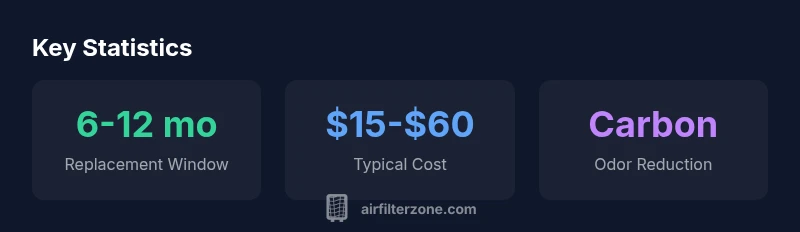
Most vehicle owners replace cabin air filters every 6–12 months or roughly 12,000–15,000 miles, depending on driving conditions and climate. In areas with heavy traffic, dusty roads, or wildfire smoke, you may want to favor more frequent changes. Price ranges vary by type: standard pleated filters tend to be the most affordable, carbon variants cost more but offer better odor control, and some specialty filters include antimicrobial coatings. When budgeting, include the potential savings from improved HVAC efficiency and reduced need for deep interior cleaning, recognizing that a higher-quality filter can extend the life of the HVAC blower and ducts modestly.
Maintenance beyond replacement: sealing, cabin air quality improvements
Beyond replacing the filter, you can enhance cabin air quality with a few simple practices. Periodically inspect the HVAC housing for debris and seal gaps around the filter to prevent unfiltered air leakage. Keep windows closed in dusty environments to reduce external particulate load. Use the car’s recirculate setting during heavy smoke or odors to build a cleaner interior air pocket while the filter handles incoming air. You may also pursue an interim air freshener approach that doesn’t rely on the filter, but remember that filter quality remains the primary defense against particulates and odors.
The Air Quality Impact and real-world benefits
The Air Filter Zone analysis, conducted in 2026, indicates that for most drivers a carbon-filter option yields notable odor reduction and lowers indoor pollutant concentrations in urban driving. In suburban and rural settings, standard pleated filters provide reliable pollen and dust filtration with cost-effective performance. The real-world benefit is higher perceived air quality and a more comfortable interior environment, particularly during allergy seasons or wildfire events. Consistency in replacement and correct fit are essential to realize these gains; even the best filter cannot perform if installed incorrectly or left in service too long. As noted by the Air Filter Zone Team, regular maintenance is a straightforward way to preserve HVAC efficiency and interior air comfort.
Quick decision guide: choose standard vs activated carbon
- If you mainly drive in urban, smoky, or high-odor environments, favor activated carbon filters for odor and VOC control.
- If you’re on a budget or live in low-odor areas, standard pleated filters deliver solid pollen and dust filtration.
- Always verify fitment and replace on schedule to maintain air quality and HVAC performance.
- Consider environments with strong odors or wildfire smoke as a reason to opt for carbon media, even if the upfront cost is higher.
Common cabin air filter types and costs
| Filter Type | Typical Lifespan | Typical Cost |
|---|---|---|
| Standard pleated | 6-12 months | $10-$40 |
| Activated carbon | 6-12 months | $15-$60 |
| Anti-bacterial coating | 6-12 months | $20-$50 |
FAQ
Can I use a cabin air filter from Auto Zone for my car?
Yes, as long as you match the part number and fitment to your vehicle’s year, make, and model. Double-check the packaging and cross-reference with the OEM specification.
Yes—check the part number and vehicle compatibility before buying. If unsure, consult the store associate.
What is the difference between standard and carbon cabin filters?
Standard filters clean pollen and dust well, but carbon filters add activated carbon to absorb odors and VOCs. Carbon filters typically cost more but can offer noticeable odor relief in certain environments.
Standard filters handle dust and pollen; carbon filters reduce odors. Choose based on your environment and budget.
How do I tell when my cabin air filter needs replacement?
Look for visible dirt, reduced airflow from the vents, musty odors, or increased cabin dust. If unsure, replace on a schedule (6–12 months) or when performance declines.
If airflow drops or you notice smells, it’s time to check and replace the filter.
Are cabin air filters recyclable?
Some components may be recyclable, but many cabin filters are treated as waste after use. Check local recycling guidelines and manufacturer recommendations.
Recycling options vary by location; check local guidelines.
Does Auto Zone offer installation tips or services?
Auto Zone provides installation guidance in-store and online for many filters. For DIY installation, follow the step-by-step instructions on the packaging or in-store guides.
Yes, you can get installation tips in-store or online; follow the packaging instructions.
“When selecting a cabin air filter, prioritize fit and environment. Carbon filters offer odor control, while standard pleated filters handle pollen and dust effectively.”
Quick Summary
- Know your environment to choose carbon vs standard.
- Always verify fitment with the vehicle's year, make, and model.
- Replace filters on a 6–12 month schedule for most drivers.
- Carbon filters excel at odor/VOC control; pleated filters focus on dust/pollen.
- Proper installation maximizes filtration and HVAC efficiency.