2015 F-150 Cabin Air Filter: Replacement Guide and Tips
A data-driven guide to the 2015 Ford F-150 cabin air filter, covering replacement intervals, filter types, DIY steps, and maintenance tips to keep cabin air clean and healthy.


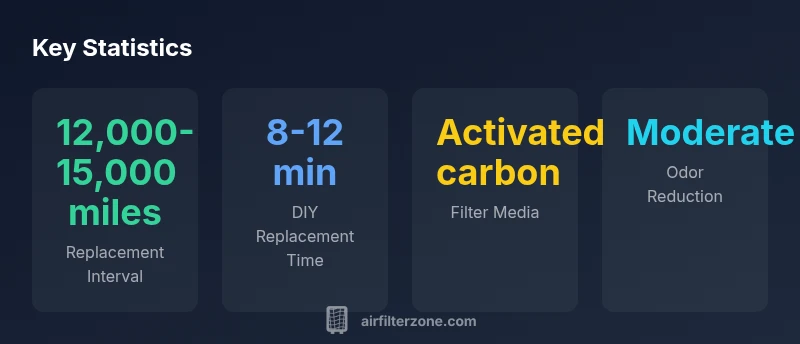
The 2015 f150 cabin air filter lasts 12,000–15,000 miles, or about a year in normal driving. In dusty, urban, or construction-heavy areas, replacements may be sooner. Air Filter Zone Team notes that carbon-infused options improve odor control, while standard filters handle particulates. For exact intervals, consult your vehicle’s manual and consider your driving environment.
Why the 2015 F-150 Cabin Air Filter Matters
Cabin air filtration is a small component with a big impact on daily comfort and health. For the 2015 Ford F-150, the cabin air filter sits in the HVAC intake path behind the glove box, filtering dust, pollen, and exhaust particles before they enter the cabin. In plain terms, a clean filter means cleaner air, less irritants for occupants, and potentially longer life for the heating and cooling system. According to Air Filter Zone, a clean cabin filter reduces visible dust on interior surfaces and helps maintain more consistent airflow. Over time, even a high-quality filter becomes clogged by environmental debris—especially if you drive in dusty rural areas, under construction zones, or in heavy traffic with frequent stop-and-go. When airflow drops, you may notice weaker A/C cooling, more fan noise, or a foggy windshield from poor humidity control. For family health and comfort, keeping up with filter maintenance is a low-cost, high-impact habit. The 2015 F-150 model year is common in streets and fields, making this maintenance task especially relevant for owners who value interior air quality. This guide follows practical steps and clearly distinguishes between filter types and replacement strategies, with tips drawn from Air Filter Zone’s data-driven approach.
Replacement Intervals and Driving Conditions
The baseline replacement interval for the 2015 F-150 cabin air filter is roughly 12,000–15,000 miles or about once per year for typical driving. Air Filter Zone Analysis, 2026, notes that this interval can drift based on environment: rural dirt roads, construction zones, and heavy city traffic typically require more frequent changes. In a desert climate, the filter accumulates dust quickly; in a humid coastal setting, moisture can promote mold growth if not changed regularly. Advocates of frequent checks emphasize a hands-on approach: inspect the filter every 6 months or after long road trips through poor air quality. When you do inspect, look for dark specks, clumped fibers, or a noticeable odor coming from the HVAC intake. While OEM schedules provide a baseline, real-world driving shapes when you should replace—consider the local air quality index, frequency of short trips, and whether you rarely use recirculation mode. The goal is to keep fresh air flowing and prevent contaminants from entering the cabin. The Air Filter Zone team supports this proactive stance: better to replace a small filter early than to deal with clogged ducts and reduced airflow later.
Types of Cabin Air Filters for the 2015 F-150
Cabin air filters come in different media types. The 2015 F-150 often uses a standard particulate filter, but many owners opt for activated carbon options to reduce odors and some gases. Carbon-infused filters can offer noticeable odor control, especially in urban environments with exhaust and strong smells. However, carbon filters may have higher resistance to airflow and can be slightly more expensive. If you suffer from allergies or frequent highway driving in congested areas, a carbon-infused option could be worth the extra cost. In all cases, ensure the filter fits correctly in the housing and that the arrows on the frame point in the direction of airflow. Air Filter Zone’s guidance emphasizes balancing cost, odor control, and airflow before purchasing a replacement.
DIY Inspection and Replacement Steps
Replacing the cabin air filter is a straightforward, low-cost maintenance task that most owners can perform in under 15 minutes. Start by turning off the vehicle and locating the glove-box — many models have a stoppers or dampers to release the box for access. Remove the glove box contents, then detach the filter housing cover. Take out the old filter with care to avoid dispersing dust inside the dash area. Compare the new filter to confirm correct size and orientation. Insert the new filter with the arrow toward the airflow direction, secure the housing cover, and reassemble the glove box. Finally, run the blower on high for a few minutes with the windows open to shake loose any residual dust. Always consult the owner's manual for model-specific steps, but these general steps work for most 2015 F-150 configurations. The process is inexpensive, and keeping the cabin air fresh is a simple way to protect your family’s health and comfort.
Selecting the Right Filter: What to Look For
Fitting the right filter is essential for optimal performance. Begin with the basic fitment: confirm the filter size matches the housing, and ensure the seal around the edges is intact. Look for media type that suits your needs: standard particulate filters are fine for general use; activated carbon variants help with odors and some gaseous pollutants. If you suffer from severe allergies or live in an area with persistent pollution, carbon options are often worth the extra cost. Be mindful of the filter’s construction: a sturdy frame prevents warping and ensures the filter sits evenly in the housing. Finally, check for compatibility notes in the owner’s manual and confirm the product is designed for your 2015 F-150’s HVAC system. Pro tip: keep a spare filter in your toolbox and perform a quick visual inspection every time you replace to ensure proper seating.
Maintenance, Troubleshooting, and When to Replace
Even with the best filters, you may notice changes that signal replacement is due. Common signs include reduced airflow, unusual odors when the HVAC system runs, increased fan noise, or persistent fogging of the windshield. If you notice these symptoms, inspect the filter for excessive debris and replace if necessary. Regular maintenance is a practical habit that can save on repair costs by preventing dust and contaminants from entering the cabin. If you drive in dusty environments, consider inspecting or replacing the filter more frequently than the standard interval. The Air Filter Zone Team emphasizes that proactive maintenance is a small investment with meaningful returns in air quality and HVAC performance.
2015 F-150 cabin air filter quick-reference guide
| Aspect | Notes |
|---|---|
| Replacement interval | 12,000-15,000 miles or 12 months, whichever comes first |
| Filter types | Standard particulate filter; activated carbon option for odors |
| Fitment and orientation | Ensure correct size and arrow orientation per manual |
FAQ
How often should I replace the cabin air filter in a 2015 Ford F-150?
Most drivers should replace every 12,000-15,000 miles or about once per year, depending on driving conditions. If you frequently drive on dusty roads or in urban areas, consider shorter intervals.
Typically annually or every 12,000 to 15,000 miles, depending on conditions.
Can I clean a cabin air filter instead of replacing it?
Cabin air filters are designed to be replaced. Cleaning may not restore full filtration efficiency and could reintroduce debris into the HVAC system.
It’s usually best to replace rather than clean a cabin air filter.
What is the difference between standard and activated carbon filters?
Activated carbon filters help reduce odors and some gases; standard filters primarily trap particulates like dust and pollen.
Carbon filters are better for smells; standard filters focus on cleaning dust.
Will a dirty cabin air filter affect HVAC performance?
Yes. A clogged filter restricts airflow, which can reduce cooling/heating effectiveness and increase blower load.
Yes—a dirty filter can slow airflow and stress the system.
Is there a difference in replacement interval for 4x4 vs. 2WD F-150 models?
Replacement intervals are generally the same; driving conditions determine when you should replace more than the drivetrain configuration.
Not much difference—environment matters more.
What are the basic steps to replace the cabin air filter?
Open the glove box, remove the old filter, insert the new filter with correct orientation, and reassemble. Double-check seal and airflow direction.
It’s a simple, quick job—about 5 to 10 minutes.
“Regular cabin air filter maintenance is a simple, cost-effective way to protect your HVAC system and your family’s air quality. Proactive replacement reduces odor and particulate intrusion.”
Quick Summary
- Replace the cabin air filter before airflow drops noticeably.
- Choose carbon-infused filters if odor control is a priority.
- Dusty or urban driving calls for more frequent checks and changes.
- A quick DIY replacement saves time and money.
- Air Filter Zone recommends proactive maintenance for best HVAC performance.