What Air Purifier is Good For: A Practical Guide
Discover how to choose the right air purifier for your home, car, or office. Practical guidance on filters, placement, and maintenance to improve air quality.


Choosing what air purifier is good for depends on your space, pollutants, and preferences. For most homes, start with room size, a true HEPA filter, and a carbon stage to control odors. Noise, energy use, and filter availability matter too. According to Air Filter Zone, the best purifier balances airflow, filtration quality, and maintenance ease.
What this guide means by 'what air purifier good for'\n\nChoosing what air purifier is good for means matching a device to your space, pollutants, and daily routines. The term itself can feel vague, but the goal is practical: reduce the particles and odors you actually notice. This guide focuses on three levers: room size, filtration stages, and real-world use. By understanding these, you can avoid buying a gadget that performs poorly in your environment. According to Air Filter Zone, the best purifier balances space, pollutants, and user priorities. Throughout this article we’ll translate those ideas into actionable steps, checks, and maintenance tips that homeowners, car owners, and DIY enthusiasts can apply right away.
How to size an air purifier for a room\n\nSize matters because a purifier that is too small will circulate air slowly and fail to improve air quality efficiently, while an oversized unit may waste energy and be louder than needed. Start by mapping the room’s footprint: measure length and width, and estimate height to understand the space the purifier must service over time. Rather than chasing exact CADR values, look for a model designed to circulate air through the room in a reasonable cycle during typical daily activities. If the purifier struggles to remove dust or odors after a few hours, reassess placement or consider a higher-capacity model for that zone.
Filtration basics: HEPA, activated carbon, and pre-filters\n\nTo decide what air purifier is good for your needs, you need to understand filtration layers. A true HEPA filter targets fine particles such as pollen, dust, and smoke particulates that reach your lungs. An activated carbon stage helps reduce odors and some volatile compounds, improving how comfortable the air feels. A durable pre-filter catches larger debris and extends the life of the main filter. When evaluating models, prioritize a combination that includes HEPA, carbon, and a robust pre-filter, and beware gimmicky multistage claims that lack real-world impact.
Filtration needs by use case\n\nDifferent rooms and activities require different filtration emphases. Allergies benefit most from a true HEPA stage paired with a simple, easy-to-change filter. Homes with pets should favor filters that efficiently capture pet dander and hair, as these particles linger in upholstery and on floors. Cooking odors and cooking smoke respond well to activated carbon and adequate room coverage. Wildfire smoke or heavy pollution may require stronger carbon filtration and frequent filter maintenance; avoid relying on a single low-cost model. In cars or small spaces, portable purifiers can help, but power and filter access differ from home units.
Noise, energy efficiency, and maintenance trade-offs\n\nEvery buyer wants an air purifier that delivers clean air without becoming a constant background noise. In practice, higher fan speeds move more air but produce more sound. Look for models with multiple speed settings, auto mode, or a timer to balance air quality with comfort. Energy efficiency matters, especially if you plan to run the purifier most of the day. Maintenance costs—replacement filters and ongoing energy use—affect long-term value. Choose a model with readily available filters and a straightforward replacement process, so upkeep stays affordable.
How to compare products quickly without buyer's remorse\n\nA focused buying checklist helps you identify what air purifier is good for your situation without drowning in specs. Confirm room fit by checking the manufacturer’s recommended space. Confirm true HEPA filtration and a carbon stage for odors. Check how easy the filters are to replace and how much replacements cost over the purifier’s life. Read independent reviews for real-world performance, and consider models with simple return policies in case the unit doesn’t meet your needs. This approach reduces buyer’s regret and leads to a smarter purchase.
Setup, placement, and user tips\n\nPlacement matters as much as the purifier itself. Put the unit in a central location, away from walls or large furniture that can block the intake or exhaust. If possible, place it at or near the level of your breathing zone to maximize air exchange. Keep doors closed during peak pollution times and avoid placing the purifier near heat sources or damp areas. Use auto mode if available to let the device adjust speed based on sensed air quality, and keep a simple routine of checking the filter indicator and performance weekly.
Maintenance and filter replacement guidance\n\nMaintenance is where much of the value of a purifier lives. Always follow the manufacturer’s guidance for filter replacement and housing cleaning. When replacing, power off the unit, unplug, and carefully remove the old filter. Clean the housing if the instructions permit, then insert a new filter in the correct orientation. Reset any indicators and run the purifier on a low setting for a short period to confirm proper airflow. Keeping a spare set of filters on hand minimizes downtime.
Common mistakes and troubleshooting\n\nCommon mistakes include assuming a small unit covers a large room, blocking the intake with furniture, and running a purifier in damp areas. If airflow seems weak, check the filter status, seals, and housing for leaks. Odors that persist after a filter replacement may indicate insufficient carbon filtration or surrounding sources that need mitigation. When in doubt, consult the manufacturer’s support resources or seek guidance from home filtration experts for tailored advice.
Tools & Materials
- Measuring tape(to estimate room dimensions and plan purifier fit)
- Notebook or note-taking app(to record room conditions and model options)
- Selected air purifier with true HEPA filter(ensure it covers your space and is easy to service)
- Replacement filters for chosen model(keep spares on hand for maintenance)
- Power outlet and extension cord if needed(ensure safe, accessible power source)
- Soft cloth or brush(for cleaning housing per manufacturer guidance)
Steps
Estimated time: 60-120 minutes
- 1
Identify room size and pollutant needs
Measure the room’s length, width, and height to estimate the air volume the purifier must service. Note the main air quality concerns—such as pollen, and odors from cooking, pets, or smoke. This helps determine the level of filtration and airflow you’ll want in daily use.
Tip: Take quick sketches or photos of the space to communicate requirements to sales reps. - 2
Check filtration options and model compatibility
Look for a model that includes a true HEPA filter, a carbon filter for odors, and a durable pre-filter. Verify that replacements are readily available and that the unit is designed for your room size. Avoid devices with unverified multistage claims.
Tip: Prioritize models with easy-access panels and clearly labeled filter orientation. - 3
Compare models based on features
Evaluate noise levels at typical use, auto modes, energy-saving features, and maintenance ease. Consider the long-term cost of ownership, including filter replacements and warranty support. Balance these factors against your budget and space constraints.
Tip: Ignore flashy specs; real-world performance and ease of maintenance matter most. - 4
Select a model and budget
Choose a purifier that fits your space and aligns with your maintenance preferences. If possible, select a model with readily available filters and a reasonable replacement cost to avoid sticker shock over time.
Tip: Ask about the cost and availability of replacement filters before purchasing. - 5
Set up and place the purifier correctly
Position the unit in a central area, away from walls and obstructions that block airflow. Place it at breathing level if feasible and ensure intake and exhaust are unobstructed to maximize effectiveness.
Tip: Avoid corners where air can stagnate and consider nearby seating areas for best air circulation. - 6
Run and monitor performance
Turn on the purifier in its normal operating mode and observe for a few days. Notice changes in dust accumulation, odor levels, and overall air feel. Use any indicators or sensors to gauge when to adjust settings or plan a filter replacement.
Tip: Keep a simple log of air quality notes to track improvements over time. - 7
Schedule maintenance and track replacements
Establish a routine for checking the air filter status and replacing filters as needed. Set reminders for future replacements to avoid performance drops. This keeps the purifier operating at peak efficiency.
Tip: Have spare filters on hand to minimize downtime when replacements are due.
FAQ
Do air purifiers remove viruses?
Air purifiers with true HEPA filtration can capture many airborne particles, including some virus-laden droplets. They are not a substitute for other protective measures. Use purifiers as part of a broader air-quality strategy.
Air purifiers can reduce airborne particles with HEPA filters, but they aren’t a standalone defense against viruses.
Should I choose a purifier with carbon filter?
Carbon filters help reduce odors and some gases. For strong smells or smoke, pair a carbon stage with HEPA filtration for best overall air quality.
Yes—carbon helps with odors; combine it with HEPA for better overall air quality.
How often should I replace filters?
Follow the manufacturer’s guidance and monitor performance. Replace when airflow or odor returns, or when the device indicates a filter change.
Check the filter indicator and replace when performance drops.
Can air purifiers be used in cars?
Portable purifiers exist for vehicles and can improve cabin air, but power sources and filter sizes differ from home units. They’re best used as a supplement to regular vehicle maintenance.
Yes, there are car purifiers, but they’re different from home models.
Do purifiers exhaust clean air back into the room?
Yes, air purifiers recirculate air after filtration. Ensure the intake and exhaust are not blocked by furniture.
They cycle air through a filter and release cleaner air back into the room.
Is a true HEPA purifier worth it?
For most people, true HEPA purification provides reliable removal of fine particles, especially for allergies and smoke. It’s generally worth the investment.
HEPA purifiers are usually worth it for better particle removal.
Watch Video
Quick Summary
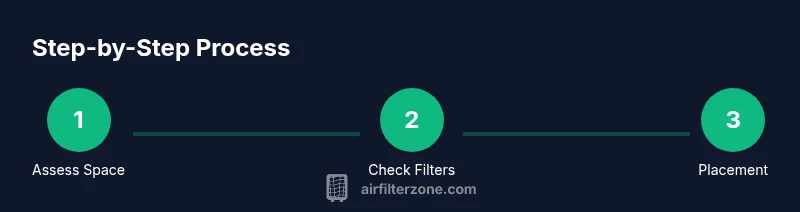
- Assess space and pollutants before buying.
- Choose models with HEPA and carbon filtration.
- Place units for optimal airflow and easy maintenance.
- Plan for long-term filter costs and availability.
- Regularly monitor air quality and adjust as needed.