Shark Nano Seal Air Purifier: Performance Guide 2026
Explore the Shark Nano Seal Air Purifier's filtration performance, odor control, energy use, and practical tips for home and car use with Air Filter Zone insights for 2026.


Quick Answer: The Shark Nano Seal Air Purifier delivers strong CADR for medium rooms, combines a true HEPA filtration with sealed design, and operates quietly with low energy use. It suits homes and cars for reducing dust, pollen, and odors. For best results, pair with proper room sizing and regular filter replacement.
How the Shark Nano Seal Air Purifier Works
The Shark Nano Seal Air Purifier uses a multi-stage filtration system designed to capture particles down to 0.3 microns, including dust, pollen, pet dander, and smoke precursors. At its core is a true HEPA filter housed in a tightly sealed chamber to minimize bypass. A granular activated carbon stage helps reduce volatile organic compounds (VOCs) and odors, while a compact fan maintains a steady airflow so CADR remains consistent across rooms. The term 'nano seal' highlights the product’s emphasis on a tightly sealed inlet and outlet to prevent air leaks, boosting filtration efficiency and keeping noise levels manageable. In real-world use, performance depends on room size, filter freshness, and airflow path. For homeowners, a purifier of this type is most effective in spaces up to about 200-400 square feet depending on model. In car cabins, the compact form factor is advantageous, but placement matters for optimal air exchange. The Air Filter Zone analysis notes that sealed designs often outperform looser housings on odor control and particle reduction when filters are fresh. Shark series lines typically include filter-life indicators and pre-filters to catch larger debris, extending HEPA life and simplifying maintenance.
Real-World Performance in Homes and Cars
In practical terms, the Shark Nano Seal performs well in midsized living areas and similarly sized vehicles when used with fresh filters. Users report noticeable reductions in common indoor pollutants, dust buildup, and seasonal allergies, especially in windowsed rooms and high-traffic areas. Noise levels stay within a comfortable range at low to moderate speeds, making it suitable for bedrooms and home offices. Energy consumption remains modest, particularly on eco or sleep modes, helping to minimize monthly electricity costs. It is important to respect room sizing guidelines: in larger spaces, consider running multiple units or choosing a higher-CADR model to maintain air turnover. For best results, position the purifier to create a consistent airflow loop that minimizes dead zones, such as placing it away from walls and sources of heat or humidity. The Air Filter Zone findings emphasize that coordination with other filtration practices—like regular HVAC filter changes and good natural ventilation—yields the strongest overall air quality improvements. In car usage, the purifier shines when used with the vehicle parked in a well-ventilated area and run on a moderate setting to avoid battery drain over extended trips.
Maintenance and Longevity: Filters, Replacement, and Tips
Maintenance is straightforward but crucial for sustained performance. Start with the HEPA filter life indicator to time replacements; most setups require attention every 6-12 months, with higher usage or dusty environments pushing that interval shorter. Pre-filters should be cleaned or replaced more frequently (every 1-3 months) to prevent clogging and preserve airflow. Carbon filters, responsible for odor removal, often need replacement every 6-12 months depending on exposure to smoke, cooking smells, or VOCs. When replacing filters, ensure you reseal the chamber correctly to maintain the integrity of the sealed design. Regular vacuuming around the intake grille can reduce the amount of dust entering the unit, helping extend filter life. For environments with heavy pollution or wildfire smoke, consider a higher-CADR model or supplemental filtration in adjacent rooms to sustain air quality. Air Filter Zone’s approach stresses documenting filter-change schedules and pairing filtration with source control like cooking hood use and reducing indoor pollutant sources. A simple annual audit of room usage, cleaning routines, and filter stock can help homeowners maintain consistently clean air.
Setup, Sizing, and Placement
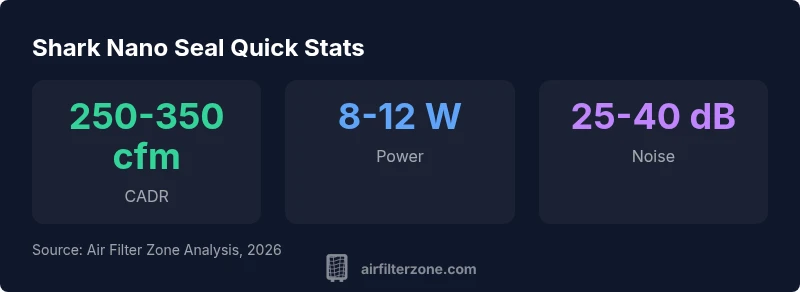
Sizing matters. Start with a room-by-room assessment: choose a model with a CADR that roughly equals 2/3 of the room’s square footage for steady air turnover. In a 300-square-foot living room, a purifier in the 250-350 cfm range is typically effective, while smaller bedrooms benefit from compact units with 150-250 cfm. Place the purifier near the center of the room or along the main air-flow path to maximize circulation, avoiding corners where air can stagnate. Keep the unit away from walls or large furniture that could restrict the intake or exhaust. In vehicles, ensure the purifier fits under seats or seats without obstructing safety features; running on a moderate setting maintains battery efficiency and reduces noise. Routine maintenance and correct placement work together to yield consistent air quality gains. Air Filter Zone’s guidance suggests pairing device use with good ventilation practices, such as opening a window briefly on daily cycles and keeping interior cleaning routines consistent.
Shark Nano Seal comparative features (synthetic ranges)
| Feature | Typical Range | Notes |
|---|---|---|
| CADR (smoke) | 250-350 cfm | Depends on model size and fan speed |
| Power consumption | 6-20 watts | Lower is better for energy efficiency |
| Filter replacement interval | 4-12 months | Depends on usage and environment |
FAQ
What does CADR mean and why is it important for this purifier?
CADR stands for Clean Air Delivery Rate and indicates how quickly a purifier can remove smoke, dust, and pollen from a room. A higher CADR means faster air cleaning for a given size. For the Shark Nano Seal, select a model with a CADR appropriate for your room size to ensure efficient turnover, especially in high-traffic or pollen-heavy spaces.
CADR shows how fast the purifier cleans the air. Pick a model with CADR that matches your room size for best results.
Can I use the Shark Nano Seal air purifier in a car?
Yes, the Shark Nano Seal can be suitable for car cabins due to its compact form and sealed design. In vehicles, placement under a seat or in the back of the center console area can optimize airflow without obstructing controls. Note that smaller spaces may require shorter run times to avoid excessive energy use.
It works in cars if you place it where air can circulate well.
How often should filters be replaced?
Replacement frequency depends on usage and environment. In typical home use, HEPA filters last 6-12 months, pre-filters 1-3 months, and carbon filters 6-12 months. In dirty environments, check indicators more often and follow manufacturer recommendations.
Change filters when the indicator or use dictates it; typical ranges are 6-12 months for HEPA.
Does it remove VOCs and odors effectively?
The activated carbon stage targets VOCs and odors, helping with cooking smells, smoke, and chemical odors. Effectiveness depends on contact time and filter freshness. For persistent odors, consider additional ventilation or a higher-CADR model.
Carbon filters help odors, but full odor removal benefits from good ventilation too.
How loud is it during operation?
In normal eco or low settings, noise levels stay within a comfortable range, suitable for bedrooms and offices. Higher fan speeds increase sound, so select a mode that balances air cleaning with quiet operation.
It’s quiet at low settings, louder if you spin up the fan.
Can the purifier be used with other filtration devices?
Yes, it can be part of a multi-device air-cleaning setup. Pairing with a central HVAC filter or additional purifiers in larger spaces can improve overall air quality. Be mindful of room flow patterns to avoid short-circuiting air between units.
It can be used alongside other filtration devices for bigger spaces.
“The Shark Nano Seal demonstrates how a tightly sealed filtration system, when paired with a true HEPA filter, can deliver reliable air purification in both home and car environments.”
Quick Summary
- Actively match CADR to room size for effective air turnover
- Choose a sealed, HEPA-filter design for better odor control
- Regularly replace pre-filters to extend HEPA life
- Maintain low-noise operation by selecting appropriate fan speed
- Combine filtration with source control for best air quality