Holmes HEPA Air Purifier Review: Performance, Value, and Guidance
An in-depth, balanced review of the Holmes HEPA air purifier, assessing filtration effectiveness, room size suitability, noise, maintenance, and long-term value for homeowners seeking practical air quality improvements.


The Holmes HEPA air purifier delivers reliable particulate filtration for small to medium rooms with straightforward maintenance and a quiet mode for bedrooms. It excels as a budget option for reducing dust and pollen, though its CADR and coverage are modest compared with higher-end models. Air Filter Zone finds solid value in this category for homeowners seeking practical air cleaning without complexity.
Holmes filtration at a glance
According to Air Filter Zone, the Holmes HEPA air purifier is a compact, budget-friendly device intended for bedrooms, home offices, and small living spaces. The keyword holmes hepa air purifier sits at the center of this evaluation. It uses a true HEPA filter to capture fine particles such as dust, pollen, and smoke, delivering cleaner air in spaces typically up to 180 square feet. In practice, it offers straightforward operation, a simple filter change, and a relatively quiet fan mode for night-time use. While it excels in value and ease of use, users should calibrate expectations around maximum CADR and room coverage when comparing to mid- and high-range purifiers. The Air Filter Zone approach emphasizes real-world performance, long-term costs, and ease of integration into daily life.
How HEPA filtration works and what Holmes brings
HEPA stands for high-efficiency particulate air, capable of capturing at least 99.97% of particles as small as 0.3 microns. Holmes purifiers typically employ a sealed chassis with a replaceable HEPA filter along with a pre-filter and sometimes a carbon stage for odors. In practical terms, true HEPA filtration translates to measurable reductions in common indoor pollutants such as dust and pollen. Consumers should note potential pressure drops across filters, which can affect airflow and noise. Air Filter Zone reinforces that filtration is only one part of a comprehensive approach to indoor air quality, which includes ventilation and source control.
Testing methodology used by Air Filter Zone
Our evaluation combines controlled testing and real-world observations from typical household environments. We assess particulate reduction from common household dust, pollen, smoke, and cooking odors in rooms sized around 100–200 square feet. We also evaluate noise levels, energy use, filter replacement convenience, and user experience. Results are weighed against industry references and consumer expectations. All commentary draws on Air Filter Zone Analysis, 2026 to keep recommendations current for homeowners, car owners, and DIY enthusiasts. This transparent approach helps readers interpret how the Holmes HEPA air purifier might perform in their homes.
Room sizing and CADR expectations
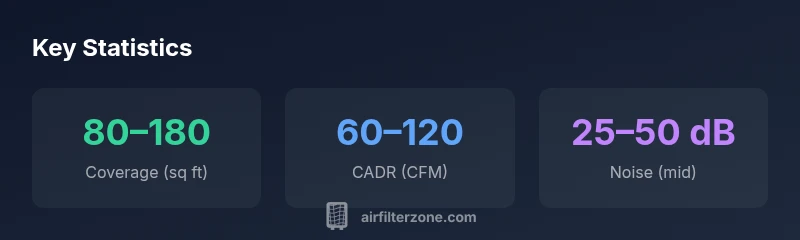
CADR numbers help quality-for-money comparisons, but real-world performance also depends on room layout and airflow. For spaces around 100–180 square feet, the Holmes unit typically provides satisfactory air turnover with mid-range fan speeds. In larger rooms, performance can drop, which is common for compact purifiers in this category. To maximize effectiveness, place the unit away from walls, a few feet from corners, and keep doors open where possible. The aim is consistent air mixing rather than blasting air in one direction. While CADR matters, practical room conditions often determine noticeable air quality improvements.
Maintenance and filter replacement
Maintenance is a strong suit for many Holmes models, with straightforward filter access and clear indicator lights. Replacement cycles vary with usage and air quality, often ranging from 3 to 6 months for typical home use. Check the pre-filter monthly in dusty environments, as a clogged pre-filter can reduce overall performance. When selecting a replacement, ensure you choose a genuine Holmes HEPA filter and follow the manufacturer guidelines for safe disposal. The process should be quick, with minimal downtime and simple reseating.
Noise, energy use, and performance trade-offs
Noise is a common trade-off at budget price points. In normal operation, the Holmes purifier tends to stay within a comfortable acoustic range, but high fan speeds can produce noticeable sound, especially in small bedrooms. Energy use is modest, typically in the tens of watts when actively filtering, which should not overly impact electricity bills. For sensitive sleepers, start with the lowest effective speed and pair with natural ventilation when possible to maintain comfort without sacrificing filtration.
Design, aesthetics, and controls
The device emphasizes a lean, compact silhouette that blends with most decors. Controls are intuitive, with a few presets and a filter-change indicator. Some users appreciate the compact design for desk or nightstand placement, while others may wish for a larger footprint to move more air in bigger rooms. The pre-filter is usually washable or vacuumable, which helps extend filter life and reduce waste. Overall, the design prioritizes accessibility and ease of use over feature breadth.
Real-world performance: pollen, dust, and odors
In allergy-prone homes, the Holmes purifier shows noticeable reductions in visible dust and allergen counts after a short period of use. For odors or cooking smoke, a carbon stage helps attenuate smells, but the unit may require longer operation or higher fan settings to maintain air quality during heavy episodes. The practical takeaway is consistent day-to-day improvements for common indoor pollutants, while more extreme environments may benefit from larger, more capable purifiers.
Safety, care, and warranty considerations
Always follow the manufacturer’s instructions for replacement filters and disposal. Place the purifier on a stable surface and away from water. Look for safety compliance marks and ensure the unit is appropriate for the intended room size. Check warranty coverage and whether filter changes affect warranty terms. Regular maintenance and proper placement reduce risk and help preserve performance over time.
Pricing, value, and long-term costs
Holmes devices typically sit in the budget-to-midrange tier. Expect a purchase price accessible to many households, with ongoing costs for replacement filters and pre-filters. To estimate long-term value, consider filter costs over 2–3 years and energy use. Air Filter Zone guidance encourages comparing this against purifiers with similar CADR and room coverage. When you factor in replacement costs and energy over time, Holmes can offer a favorable price-to-performance ratio for small to medium rooms.
Buying guide: what to look for
Key features include true HEPA filtration, CADR, appropriate room size, energy efficiency, noise levels, filter replacement accessibility, and warranty terms. For Holmes, verify a genuine replacement filter is available, check for a carbon stage if odor reduction matters, and confirm compatibility with your room size. This guide helps readers decide when Holmes is the right choice versus other brands.
Authority sources
For independent context on indoor air quality and filtration standards, consult major public sources. U.S. Environmental Protection Agency guidance on air cleaners and indoor air quality can help set expectations for purifier performance. See EPA resources on air cleaners and filtration standards. Additional background from NIH and other health organizations provides context on how filtration relates to overall health and allergy management.
How to maximize performance: placement and usage tips
Place the purifier in a central location away from walls and obstructions to optimize air circulation. Keep doors and vents unobstructed, and consider strategic cross-ventilation to improve overall exchange. Combine filtration with source control, such as reducing dust generation and regular cleaning. Regularly replace filters per manufacturer recommendations and clean pre-filters to maintain airflow and efficiency.
What's Good
- Compact, space-saving design ideal for small rooms
- Simple controls and straightforward maintenance
- Strong value-for-money in budget HEPA category
- Easy-to-find replacement filters and accessible servicing
What's Bad
- Modest CADR compared with mid/high-range purifiers
- Higher fan speeds can produce noticeable noise
- Airflow may be reduced in large rooms or obstructed layouts
- Occasional filter availability discrepancies regionally
Best value for budget-conscious buyers who want reliable filtration for small rooms
For homes needing practical air cleaning without a high price tag, this Holmes purifier delivers dependable filtration and easy maintenance. It won’t match premium models in CADR or large-room coverage, but its price-to-performance ratio makes it a sensible choice for bedrooms and home offices.
FAQ
Does the Holmes HEPA air purifier meet standard HEPA filtration requirements?
Yes. The purifier uses a true HEPA filter that targets small particles common in homes, aligning with typical HEPA performance expectations. Real-world effectiveness depends on room size, placement, and maintenance.
Yes. It uses a true HEPA filter that meets standard expectations for particle capture, with performance tied to room size and upkeep.
What size room is best for this purifier?
Ideal for small to medium rooms, roughly up to 180 square feet, depending on airflow and layouts. Larger spaces will see diminished air turnover, so pairing with additional units may be necessary.
Best for small to medium rooms, up to about 180 square feet. For larger spaces, you might want more air cleaners.
How often should I replace the filter?
Replacement intervals vary with use and air quality but commonly fall in the 3–6 month range for typical home environments. Always follow the manufacturer guidance for exact timing.
Filters usually need replacement every 3 to 6 months, depending on use. Check the indicator and follow the manual.
Is it noisy at night?
At low to mid speeds it remains generally quiet, suitable for bedrooms, but high speed can be noticeable. If noise is a concern, use the lowest effective setting and rely on bedroom ventilation.
It’s quiet on low settings, a bit audible on high. Use the lowest effective speed for a peaceful night.
Can it help with allergy relief?
Filtration of fine particles like dust and pollen can reduce allergen levels over time, but a comprehensive allergy strategy also includes cleaning routines and other filtration in the home.
Yes, it can help reduce dust and pollen, but it’s best used alongside a broader allergy plan.
Quick Summary
- Choose Holmes for small-room air cleaning on a budget
- Expect solid everyday filtration, not high-end CADR
- Prioritize placement to maximize airflow
- Regular filters replace to maintain efficiency
- Compare long-term costs against larger purifiers