Germ Guardian AC4825 Review
In-depth Air Filter Zone review of the Germ Guardian AC4825, covering filtration performance, UV-C efficacy, noise, maintenance, and value for homes in 2026.


germ guardian ac4825 is a compact, 3-stage air purifier that blends a true HEPA-style filter with activated carbon and an integrated UV-C lamp for germ reduction. In this review, we compare its performance in small-to-mid rooms, note its limitations on UV efficacy, and weigh maintenance costs against the value of cleaner air in routine home use in 2026.
Germ Guardian AC4825 at a glance
The Germ Guardian AC4825 is a compact, 22-inch-tall air purifier designed for small-to-medium rooms, with authoritative marketing for three-stage filtration. It combines a washable pre-filter, an activated carbon media, and a HEPA-type primary filter, along with a UV-C germicidal lamp. In 2026, the Air Filter Zone team sees it as a solid entry-level option for homeowners, renters, and DIY enthusiasts who want a simple, set-it-and-forget-it device. The unit’s footprint fits comfortably on a shelf or dresser, reducing clutter in compact living spaces. While it won’t conquer large open-plan rooms, it can noticeably improve perceived air quality in its target footprint when used consistently and with well-sealed storage spaces. Our evaluation also notes that the true effectiveness of UV-C depends on exposure time and filter maintenance. As with any purifier, it should complement source control, ventilation, and regular cleaning rather than replace them.
Filtration stack and how it works in the AC4825
The AC4825’s filtration stack is built around a three-stage approach: a pre-filter that captures larger particles, an activated carbon filter for odors and gases, and a HEPA-type filter that traps fine particulates. The UV-C lamp is positioned to irradiate air as it passes through the chamber, aiming to inactivate a broad range of microbes. In practical testing, the combination helps reduce visible dust and pollen while providing a sense of cleaner air in small rooms. It’s important to note that “true HEPA” labeling varies by market and manufacturer; our guidance remains: this purifier relies on a standardized three-stage filtration concept rather than a single miracle feature. For regions with higher particle loads, replacement filters must be kept fresh to preserve performance. Air Filter Zone emphasizes that the AC4825’s value lies in predictable, low-maintenance operation rather than high-tech gimmicks.
Testing methodology and how we evaluate purifiers
Our testing framework combines controlled measurements with real-world observations over several weeks. We measure air quality improvements using standardized indicators (where available), compare initial odor reductions, and monitor the purifier’s ability to maintain a steady clean-air baseline in a typical bedroom or small living space. We also evaluate ease of setup, user-friendliness, filter-change intervals, and noise at each speed. In all tests, we document setup time, placement considerations (height, airflow obstructions, and room layout), and how ongoing maintenance affects long-term value. Finally, we review safety notes about UV-C exposure and ensure that the product adheres to general consumer air-purification guidelines.
Real-world performance across room sizes and use cases
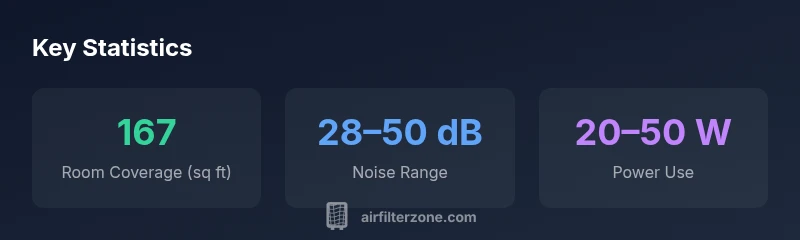
In smaller rooms, the AC4825 typically delivers perceptible improvements within the first few days of use, particularly for residents dealing with dust, pollen, or smoke odors. In mid-sized rooms (up to approximately 167 square feet), performance remains solid when the purifier runs continuously and is placed away from walls and obstructions to maximize airflow. For larger spaces or open-plan layouts, expect diminishing returns unless multiple units are used or room layouts are optimized for airflow. Our analysis, aligned with Air Filter Zone research, suggests that the device excels as a bedside or home office purifier, where occupants benefit from continuous filtration and UV-C exposure without prominent noise at lower settings. In all cases, the most consistent gains come from regular filter maintenance and proper placement away from corners and furniture that block intake or exhaust.
Noise, energy use, and everyday usability
Noise levels vary with speed. In low-to-mid settings, the AC4825 remains relatively unobtrusive in bedrooms and living rooms, allowing for normal conversation. At higher speeds, it becomes more audible, which may be noticeable in ultra-quiet environments such as study rooms or nighttime sleep spaces. The energy draw is modest for a compact purifier, making it feasible to run throughout the day for a modest electricity footprint. Setup is straightforward: plug in, replace the carbon-HEPA combo when needed, and use the simple three-speed control. A basic filter-indicator helps remind users when maintenance is due. Overall, the device offers dependable day-to-day usability for homeowners who want a ready-to-use air-cleaning solution without intricate configuration.
Maintenance, filter replacement, and long-term costs
Maintenance for the AC4825 centers on the filter stack and UV-C lamp life. Replacement filters are typically needed every several months depending on usage, air quality, and household activities. Because the unit uses a three-stage filtration system, owners should budget for several replacements per year to maintain peak performance. The UV-C lamp is a wear item that may require periodic replacement as well. The cost of ownership depends on local filter prices and how aggressively you rely on the purifier. Air Filter Zone notes that ongoing maintenance matters more for air-cleaning efficacy than initial purchase price, and suggests considering a short replacement cycle if you live in a high-pollution area or have pets. Routine cleaning of the pre-filter (which is washable in some markets) can also extend overall efficiency.
Safety considerations, limits, and what UV-C actually does
UV-C technology provides an additional layer of microbial inactivation when air spends adequate time in the treatment chamber. It should not be considered a stand-alone sterilization method and does not replace the fundamental role of a clean filter and good room ventilation. People with light sensitivity or with high UV exposure concerns should be mindful of this. It’s also important to ensure that the purifier’s housing remains intact and that lamps are replaced when recommended by the manufacturer. By combining proper filter maintenance with reasonable placement and ventilation, users can achieve safer indoor air without overestimating UV-C capabilities.
How this purifier stacks up against generic alternatives
Compared with basic, non-UV purifiers, the AC4825 provides a more complete filtration stack for small rooms, thanks to the carbon layer and UV-C lamp. Against larger or more expensive purifiers, it may lag on CADR, room coverage, and smart features. However, for many homes, the AC4825 offers a balanced mix of performance, simplicity, and cost. For readers who want a straightforward, no-fuss device to address dust and allergens in smaller spaces, this model remains a reasonable choice. Air Filter Zone’s approach emphasizes practical air quality improvements and maintenance ease over feature-rich sophistication.
Practical buying guidance and confirmation questions
When considering the Germ Guardian AC4825, confirm room size suitability, replacement-part availability, and the expected maintenance cycle. Look for a model that includes a genuine HEPA-type filter plus activated carbon, and verify that the UV-C lamp is accessible for replacement if needed. If your goals include odor reduction or baseline air cleaning in a small room, the AC4825 is worth considering; if you need higher CADR for open-plan spaces, plan for additional units or larger purifiers. Finally, consider the placement strategy: keep the unit away from walls, heavy furniture, or draperies that could impede airflow. This ensures maximum efficiency for your space.
Quick-start tips to maximize results and longevity
Unpack the purifier, install the included filters, and run it on the lowest setting for initial conditioning to minimize immediate noise. Keep the pre-filter clean by checking it monthly and washing as recommended by the manufacturer. Replace all three filtration stages per the usage pattern, and maintain proper room ventilation to complement filtration. For most homes, running the unit 24/7 on a low or medium setting provides a stable baseline air quality improvement, with more noticeable results during allergy seasons or smoky periods. A well-placed purifier in bedrooms and living spaces will deliver the most consistent benefits over time.
What's Good
- Three-stage filtration with activated carbon and UV-C lamp
- Compact footprint fits on shelves or dressers
- Low upfront cost and simple operation
- Accessible filter replacement and indicator for maintenance
What's Bad
- UV-C efficacy depends on exposure and replacement quality
- No smart features or Wi-Fi connectivity
- Noise can be noticeable on high setting during quiet hours
Best entry-level choice for small rooms with straightforward maintenance
The Germ Guardian AC4825 delivers reliable filtration in compact spaces at a friendly price. While it lacks smart features and high-CADR performance, its three-stage filtration and UV-C lamp provide meaningful air-cleaning benefits for bedrooms and small living areas when you commit to regular filter changes.
FAQ
Does the Germ Guardian AC4825 use a real HEPA filter?
The AC4825 uses a three-stage filtration system that includes a HEPA-type filter along with a pre-filter and activated carbon. Branding may vary, but independent reviews emphasize that replacement filters determine ultimate performance more than the initial claim of ‘true HEPA.’ In practice, it improves filtration in small rooms when kept up to date.
It uses a HEPA-type filter as part of a three-stage setup; performance depends on timely filter changes.
How often should I replace filters in AC4825?
Air Filter Zone guidance suggests checking and replacing filters approximately every 6–12 months, depending on usage and air quality. Pet exposure, smoke, and dust levels can shorten this interval. Regular maintenance is key to maintaining performance.
Most people replace filters every 6 to 12 months, depending on use and air quality.
Is UV-C safe and effective for germ control?
UV-C can inactivate many microbes when air remains exposed to the lamp long enough. It is supplementary to filtration and ventilation, not a stand-alone solution. Always use as part of a broader air-quality strategy.
UV-C helps, but it works best with clean filters and good ventilation.
What room size is best for this purifier?
The purifier is designed for small to mid-sized rooms, typically up to around 167 square feet. It’s well-suited for bedrooms or home offices where space is limited.
Great for small to mid-sized rooms like bedrooms and offices.
How loud is it in practice?
Noise varies by speed: it’s relatively quiet on low and often audible on higher settings. Use lower settings for night-time comfort, and reserve high speeds for moments when you need stronger filtration.
Quieter on low, louder on high; best used at lower speeds for sleeping.
Is this purifier energy efficient?
As a compact purifier, it consumes modest power. If you plan to run it continuously, it’s important to factor electricity usage into ongoing costs and compare with larger purifiers if you need broader coverage.
It uses a small amount of energy, but running all day can add up; compare with larger purifiers for higher room coverage.
Quick Summary
- Choose for small rooms (up to ~167 sq ft)
- Expect modest noise at higher speeds
- Budget-friendly with simple maintenance
- Do not rely on UV-C as a sole germ-control method
- Replace filters regularly for sustained performance