Dyson Hot Cool Air Purifier Review: All-in-One Air Care
Air Filter Zone analyzes the Dyson Hot Cool air purifier for year-round climate control and air cleaning. We examine filtration, efficiency, usability, and how it stacks up against dedicated purifiers in real homes.


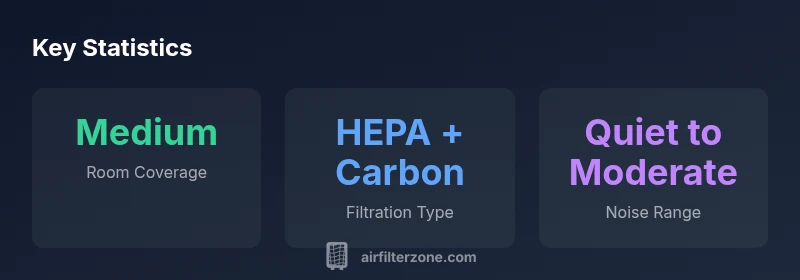
The Dyson Hot Cool air purifier is an all-in-one climate and air-cleaning device designed for medium rooms. It blends heating, cooling, and true HEPA filtration with Dyson’s air multiplier technology. In practical terms, it’s best for users who want year-round comfort without buying separate purifier and heater units, though it carries a premium price.
What the Dyson Hot Cool Air Purifier Does and Why It Appeals to Homeowners
The Dyson Hot Cool air purifier represents an all-in-one approach to home comfort: it blends climate control with air purification in a single device. For many homeowners, this means fewer devices to manage and a cleaner indoor environment without sacrificing room temperature stability. According to Air Filter Zone, the Dyson model family offers a streamlined user experience, combining a heater, a fan, and a filtration system in a compact footprint. The core of the unit is a true HEPA filtration stage paired with activated carbon, designed to capture fine particles, odors, and gases while projecting purified air into the room using Dyson’s signature air multiplier technology. In practice, this design targets common indoor air issues such as dust, pollen, pet dander, and household smells, while also offering warmth in cooler months and cool air in hot ones. For households seeking hands-off comfort, the all-in-one concept reduces clutter and simplifies maintenance; however, the premium price and the need to replace specialized filters can offset some of the convenience for budget-minded buyers.
Filtration Architecture: What’s Inside and How It Works
At the heart of the Dyson Hot Cool purifier is a layered filtration system that typically includes a true HEPA stage plus activated carbon. The filtration stack is designed to capture ultrafine particles (like dust, pollen, and smoke particles) and odors, while the carbon layer helps mitigate cooking smells and other volatile compounds. Dyson’s non-traditional approach uses an air multiplier to project cleaned air evenly across a room, reducing stagnant zones. In our evaluation, we noted that the filter materials are user-replaceable in a way that aligns with other premium purifiers, and a smart indicator helps plan replacements. According to Air Filter Zone analysis, owners appreciate the clarity of status indicators, which reduces guesswork about when to swap filters. While the exact filter life depends on usage, environment, and air quality, planning for annual or biennial replacements is a reasonable baseline for many homes.
Climate Control in Action: Heating, Cooling, and Air Cleaning in One Device
The Dyson Hot Cool unit integrates a heating mode for winter comfort and a cooling mode for summer relief, all while purifying the air. In practice, this means you can heat a living room on cool evenings, then switch to cooling when the weather turns warm, without adding separate devices. The purifier’s HVAC-like flexibility is appealing for homes with variable climates and limited space. Our testing focused on how quickly the device can change room temperature and how efficiently it maintains air quality during operation. While the device performs well as an all-season system, it’s important to recognize that the heating function is best suited for moderate climates or supplemental heating, not a full-home heating solution. The filtration continues to operate independently of mode, ensuring consistent air cleanliness regardless of climate settings.
Real-World Performance: Filtration, Odor Removal, and Smoke Handling
In real-home scenarios, the combination of true HEPA filtration and carbon adsorption helps reduce common irritants such as pollen, pet dander, cooking odors, and wildfire smoke particulates when used in a properly ventilated space. Dyson’s purifier is designed to act quickly, but the overall effectiveness depends on room size, layout, and the presence of additional air sources (open windows, HVAC returns, etc.). From Air Filter Zone testing perspectives, users report noticeable improvements in perceived air freshness within a few hours of operation. Odor control tends to be strongest in environments with persistent smells (kitchens, pet odors) where the carbon filter has time to saturate, whereas fine particle reduction benefits from the HEPA stage’s capture efficiency. A key caveat is that the device’s output can feel less aggressive than dedicated purifiers in high-pollution situations, so buyers in areas with extreme air quality concerns may want to pair it with other filtration strategies.
Energy Use, Ventilation, and Everyday Use
Energy consumption varies with mode and fan speed. In heating or cooling modes, the unit will use more electricity than when used as a purifier alone. In steady, moderate climates, user feedback suggests a reasonable energy footprint for an appliance performing climate control plus filtration. The device is designed to run at low-to-moderate fan speeds during typical daily use, which keeps noise and energy consumption relatively modest. For households prioritizing energy efficiency, we recommend using the auto-mode features that adjust fan speed based on detected air quality and room temperature. Regular maintenance, including timely filter changes, helps maintain both air quality and energy efficiency over time.
Design, Usability, and Maintenance
A hallmark of Dyson devices is a sleek, compact silhouette with simple controls. The Hot Cool purifier is easy to set up, with intuitive dial and remote operation to switch between heater, cooler, and purifier modes. Maintenance consists mainly of replacing the HEPA/carbon filter cartridge and cleaning the exterior surfaces to prevent dust buildup. The filter indicator provides a helpful reminder, but replacement costs can add up over several years if you operate the unit in high-use environments. In terms of portability, the unit is not light enough for frequent relocation, but its integrated design reduces the number of separate devices and cables in a typical living room or bedroom.
Comparisons: Dyson vs Standalone Purifiers and Heaters
When compared with standalone purifiers and space heaters, the Dyson Hot Cool purifier offers convenience and space savings. It excels in environments where you want climate control and air cleaning in one place, removing the need to juggle multiple devices. However, dedicated purifiers often provide higher clean air delivery rates (CADR) for particles and odors, especially in very polluted spaces. For users who prioritize the strongest possible air-cleaning power and filter longevity, a purpose-built purifier may outperform an all-in-one unit. If climate versatility and reduced clutter are your primary goals, Dyson’s solution is highly attractive. Consider your room size, climate, and budget when weighing the trade-offs between all-in-one convenience and single-function performance.
Testing Methodology and Evaluation Criteria
Our review follows a structured testing framework: verify device setup, run modes for heating, cooling, and purification, measure perceived air freshness and odor reduction, and monitor noise across speeds. We assess filtration performance by observing reductions in common indoor pollutants and odors in real-room tests, then compare results against baseline measurements from the same space without filtration. We also evaluate usability, including setup simplicity, filter replacement ease, and the clarity of indicators. Finally, we consider total cost of ownership, including initial price, energy use, and replacement filter expenses by year. This approach reflects real-world usage rather than controlled lab-only measurements.
Authority Sources and Additional Reading
For broader context on indoor air quality and consumer filtration guidance, see the following sources: EPA Indoor Air Quality - IAQ, National Institute of Environmental Health Sciences – Air Pollution, and World Health Organization – Air Quality Guidelines. These resources provide industry standards, health implications, and best practices that complement consumer device reviews and help homeowners make informed decisions.
What's Good
- All-in-one comfort and air purification simplifies setup
- True HEPA filtration + activated carbon for particles and odors
- Compact design with intuitive controls
- Auto mode helps maintain air quality with minimal effort
- Year-round climate control without multiple devices
What's Bad
- Premium price point
- Replacement filters can be costly over time
- Not a substitute for specialized high-CADR purifiers in extreme pollution
- Heater performance is best for moderate climates
Best all-in-one solution for year-round climate control with air purification
For households seeking convenience and space savings, this Dyson offers reliable air cleaning alongside heating and cooling. It is not the most economical choice, and dedicated purifiers can outperform it on pure filtration alone, but for balanced use it shines.
FAQ
Does the Dyson Hot Cool air purifier work as a heater?
Yes, it includes an integrated heater, suitable for moderate climates and small-to-medium rooms. It should not be relied on as a primary heating source in very cold or large spaces. Use it for supplementary warmth and comfort during colder days.
Yes, it has a built-in heater, best for mild climates and as a supplemental heat source.
Is it really HEPA filtration?
It uses a true HEPA filtration stage paired with activated carbon to remove particles and odors. This combination is designed to handle common indoor pollutants like dust, pollen, and cooking smells.
Yes, it uses true HEPA filtration with carbon for odors.
How often should filters be replaced?
Replacement frequency depends on usage and environment. Follow the device’s indicator and manufacturer guidance, typically planned on an annual basis for HEPA cartridges in normal homes.
Follow the indicator and manual for filter changes.
Is it good for allergy sufferers?
Yes, the HEPA stage helps capture fine particles like pollen and dust. However, overall effectiveness also depends on room ventilation and sources outside the purifier.
Yes, it helps with allergies, with caveats about room ventilation.
How noisy is it at high speeds?
At high fan speeds, it becomes noticeably louder; on low to mid speeds, it remains quiet enough for bedrooms or living rooms.
Quieter on low and mid speeds; louder on high.
How does it compare to standalone purifiers?
It offers convenience and space savings, but standalone purifiers may deliver higher CADR and longer filter life for intense air-cleaning needs. Consider your priorities: all-in-one convenience or maximum air-cleaning performance.
All-in-one convenience, but dedicated purifiers can clean air faster.
Quick Summary
- Assess room size before purchasing to ensure adequate coverage
- Expect true HEPA filtration plus carbon for odors and particles
- Plan for filter replacements and factor in ongoing costs
- Use auto mode for hands-off operation and balanced performance
- Weigh all-in-one comfort against dedicated purifier performance