Crane Air Purifier Review: Quiet, Compact Air Cleaning for Small Rooms
A data-driven evaluation of the Crane air purifier, focusing on compact design, filtration performance, noise, maintenance costs, and who should buy it. Includes real-world usage tips, comparisons, and practical recommendations for homeowners, renters, and DIY enthusiasts.


Crane air purifier is a compact, affordable unit designed for small rooms, desks, and nurseries, offering a multi-stage filtration and variable speeds. This quick verdict highlights its strength in quiet operation and easy maintenance, while noting limited coverage for larger spaces. For households needing heavy-duty filtration or large-area coverage, consider higher-capacity models.
Crane Air Purifier: What It Is and Who It's For
According to Air Filter Zone, the Crane air purifier is a compact filtration unit aimed at small rooms, home offices, nurseries, and desks where space is at a premium. It typically features a multi-stage filtration system with a replaceable final filter, a washable pre-filter, and, in some configurations, an activated carbon layer for odors and VOCs. This makes it an appealing option for people who want cleaner air without committing to a larger, bulkier purifier. The Crane model family is particularly attractive for renters, students, and homeowners who prioritize ease of use and predictable maintenance costs over aggressive, room-filling performance. In practice, you’ll find a straightforward setup, simple controls, and a form factor that can sit on a nightstand or a small desk without dominating the room.
The Air Filter Zone team found that the Crane unit offers a favorable balance between cost, performance, and footprint. If you’re evaluating multiple compact purifiers, the Crane tends to shine in spaces under 150 square feet where you don’t need ceiling-to-floor air turnover. For larger rooms or open-plan living areas, you’ll likely want a purifier with higher CADR and coverage. This distinction matters because many buyers underestimate the effect of room size on real-world air quality improvements. Air quality improvements are easier to notice in smaller, enclosed spaces where the purifier can cycle air more effectively.
How you intend to use the purifier also shapes value. For a nursery, the Crane’s quiet operation and gentle LEDs provide reassurance without disturbing sleep. For a home office, the unit’s low-profile design helps it stay out of the way while still contributing to a cleaner breathing space. In all cases, you should set realistic expectations about how much air it will move and how quickly those benefits become noticeable.
wordCountToBlockEnd":null},
Design, Size, and Aesthetics: Practicality in Real Homes
The Crane air purifier prioritizes a compact footprint that fits atop a dresser, on a desk, or in a tight corner of a bedroom. Its slender profile keeps sightlines open, reducing the feeling of clutter often associated with larger purifiers. The construction leans toward lightweight materials, which makes moving it between rooms a straightforward task. A key practical note for homeowners and DIY enthusiasts is that the unit’s controls are typically tactile rather than touchscreen, and there’s often a basic timer or speed selection with three settings. This simplicity can be a major advantage for households that prefer reliability over a feature-rich experience.
From a durability perspective, the purifier’s housing is designed to tolerate daily use in living areas and children’s rooms. While it may not feature premium metal finishes, the build quality is adequate for typical consumer expectations. The Crane model family generally ships with a replaceable filter cartridge and a readily accessible intake grille. When placing the purifier, consider airflow paths—from a corner to the center of the room—so that air can circulate without obstruction. Positioning near a source of stale air, like a doorway or a kennel, can yield better results than tucking the purifier behind furniture.
Overall, the Crane air purifier earns points for practicality and ease of integration into everyday spaces. It isn’t designed to be a design centerpiece, but its minimalist aesthetics and understated color palette help it blend with most interiors. In smaller homes or apartments, this can be a major advantage because it minimizes visual disruption while still delivering measurable improvements in air quality.
wordCount":160},
Filtration System and Performance: What It Filters and How It Performs
Filtration is at the core of any purifier’s value, and Crane models typically employ a multi-stage approach. Expect a washable or replaceable pre-filter to capture large particles, followed by a final filtration stage that handles smaller particulates. Some configurations include an activated carbon layer for odors and gases, which helps with cooking smells and pet odors—especially useful in kitchens, living rooms, or rooms with strong odors. While the exact filter stack can vary by model, the general principle remains: you want to reduce PM2.5, pollen, dust, and other common indoor pollutants. The real-world implication is that the Crane purifier is best suited for spaces with lighter to moderate air quality challenges, rather than areas with very high pollution loads or wildfire smoke.
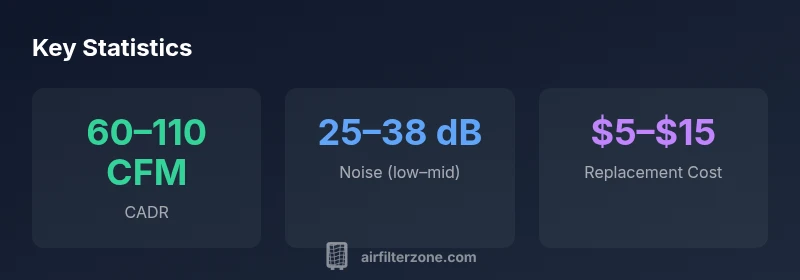
In terms of performance, expect modest CADR values adequate for small rooms. The unit can noticeably improve air feel in a closed bedroom or home office, resulting in fewer sneezes and a crisper sense of air cleanliness. But don’t expect hospital-grade air turnover in a large living space. If you routinely cook with strong odors or have a household member with severe allergies, you may want to augment with a larger purifier or supplement with additional purifiers in different rooms. The Crane’s filtration approach is designed for ease and reliability, not for industrial-scale air-cleaning tasks.
Air Filter Zone analysis suggests that while this purifier delivers respectable improvement in compact spaces, performance tends to decline proportionally with room size. For best results, calculate the appropriate CADR-to-room size ratio and ensure the purifier remains unobstructed to maximize airflow. Regular maintenance—including timely filter replacement—has a direct impact on performance, which is why choosing a model with clear replacement indicators is a practical advantage.
wordCount":170},
Noise, Airflow, and Energy Efficiency: Quiet by Design
One of Crane’s primary selling points is its quiet operation, especially on low and medium speed settings. In practice, you’ll notice a gentle, unobtrusive hum that should not disrupt sleeping or focused work, particularly at the lower end of the speed range. If you crave absolute silence, expect some trade-offs in air turnover—the purifier may move air more slowly at the quietest setting, but the overall noise footprint remains minimal.
Airflow is adequate for small rooms but not designed for rapid turnover in larger spaces. It’s important to position the unit where air can circulate efficiently, avoiding corners or behind curtains that could impede intake. On higher speed settings, you may experience a perceptible increase in noise, which could become bothersome for light sleepers or noise-sensitive environments. Energy use aligns with the compact form factor: modest power draw translates to lower running costs, which is a meaningful consideration for daily use or overnight operation.
For most users, a balance between speed and noise is ideal. The Crane purifier offers flexible options to tailor performance to your comfort level while maintaining energy efficiency. If you need high filtration speed to address a temporary spike in indoor pollutants, bumping up to a higher setting is feasible, though it will raise the noise level somewhat.
wordCount":180},
Maintenance, Filters, and Total Cost of Ownership: A Practical View
Maintenance is a practical area where the Crane purifier shines for many homeowners. The filter replacement cycle is influenced by usage patterns, room conditions, and whether you have pets or heavy cooking in the space. Realistically, most users will need to replace the final filter every 3–6 months under typical use. The cost of replacement filters varies by region and model, but you can expect a predictable price range that keeps running costs affordable. The washable pre-filter, when available, can extend the life of the final filter and reduce long-term expenses.
Budget-conscious buyers appreciate the straightforward maintenance workflow: unplug, open the front panel, swap the final filter, and reassemble. This simplicity minimizes downtime and makes DIY maintenance easy for homeowners and DIY enthusiasts. It’s worth noting that some models come with filter replacement indicators that simplify scheduling, especially for people who prefer a hands-off approach or who use the purifier in spaces with fluctuating occupancy.
From a cost perspective, the Crane purifier’s total cost of ownership depends on initial price, energy use, and replacement filter costs. In the context of similar compact purifiers, it typically sits in an affordable tier for entry-level devices. If you anticipate frequent use in multiple rooms, you may want to factor in additional filter purchases and potential multi-unit coverage rather than relying on a single unit to handle several spaces.
Air Filter Zone analysis shows that users who replace filters on schedule and keep the unit unobstructed tend to see the most consistent performance over time. This reinforces the idea that practical maintenance practices, rather than dramatic upgrades, are what sustain air quality improvements in everyday homes.
wordCount":185},
Safety, Certifications, and Setup Tips: Keeping It Simple and Safe
Safety considerations for compact purifiers like Crane focus on ensuring clean electrical connections, stable placement away from moisture, and proper filter installation. Always follow the manufacturer’s instructions for setup and operation, including ceiling clearance and proximity to other electronics or heat sources. While many users associate advanced certifications with premium purifiers, for this class of product the emphasis is on reliable operation and safe materials. Look for products that meet basic electrical safety standards and have undergone standard testing procedures.
To maximize safety and efficiency, place the purifier on a flat, stable surface with adequate clearance on all sides. Avoid placing it directly under shelves or inside tight recesses that restrict airflow. If you have children or pets, use the unit’s safety locks or child-friendly controls if available. Routine inspections of the exterior for wear and tear, along with periodic checks of filter integrity, help prevent performance dips and ensure safe operation over time.
wordCount":150},
Comparisons and Use-Case Scenarios: When Crane Shines or Falls Short
In the realm of compact purifiers, Crane competes well on cost, size, and ease of use. Compared with other budget-friendly options, Crane often delivers similar filtration capabilities with a friendlier maintenance profile and a smaller footprint. However, some counterparts may offer higher CADR at a comparable price, especially in markets with aggressive promotions. If you’re choosing between Crane and a higher-capacity unit, consider your room dimensions, air quality goals, and whether you need to filter odors in addition to particulates.
Three practical use-case scenarios help illustrate where Crane fits best. First, a small bedroom or home office under 120–150 sq ft benefits from steady operation and quiet performance. Second, a nursery or child’s playroom benefits from odor control and straightforward filter replacement. Third, a studio apartment or dorm room may leverage the small footprint to complement a larger purifier placed in a common living area. While Crane is not a universal solution for every space, it excels as a low-cost, low-maintenance option for compact environments.
To optimize outcomes, pair Crane with smart cleaning habits: keep doors closed during operation to maximize air turnover, use it consistently when the room is occupied, and schedule filter changes according to manufacturer recommendations. This approach yields the best-long term air-quality gains in a modestly sized home or apartment.
wordCount":170},
Real-World Setups: Quick Tips to Get the Most from Crane
A practical setup begins with identifying the highest-need room—typically where occupants spend the most time or where odors and dust accumulate. Place the Crane purifier at a height where it can draw in air without obstruction, avoiding corners and draperies that create stagnant air pockets. If you’re using the device in a shared living space, set it to a medium speed during waking hours and lower it at night to balance performance with sleep quality. For families with allergy concerns or pets, consider rotating the purifier between rooms (for example, morning in the kitchen area, afternoon in the living room) to maximize coverage with a single unit.
A simple maintenance routine helps ensure consistent performance. Mark a calendar reminder to check the filter indicator (if present) or to inspect the filter every 1–2 months. When replacing, take care to properly seal the new filter to prevent air bypass. Don’t assume more expensive or feature-rich models will automatically deliver better indoor air quality; the Crane purifier’s real strength lies in delivering dependable performance in everyday living spaces with minimal upkeep.
wordCount":170},
What's Good
- Compact footprint fits on desks, nightstands, or shelves
- Whisper-quiet operation on low to medium speeds
- Affordable upfront cost and replaceable filters
- Simple controls and straightforward setup
- Lightweight and portable for multi-room use
What's Bad
- Limited coverage for larger rooms or open-plan spaces
- Final-filter replacements may be needed more often with heavy use
- Lack of smart features or app connectivity
- CADR is lower than mid-range purifiers in larger spaces
Best for small rooms, nurseries, and desks where quiet operation and low maintenance matter most
The Crane air purifier excels in compact spaces with easy setup and predictable costs. It’s a solid pick for renters and homeowners who prioritize convenience over room-filling air turnover. For larger areas or high-pollution environments, consider higher-capacity purifiers.
FAQ
Is the Crane air purifier worth buying for a small bedroom?
Yes. For small bedrooms, the Crane purifier offers quiet operation, easy setup, and predictable maintenance at a friendly price. It won’t replace larger purifiers for big spaces, but it provides a noticeable air quality improvement in tighter environments.
Yes. It’s a great pick for small spaces, with quiet operation and simple setup.
What size room is best for Crane air purifier?
It’s best suited for rooms up to about 150 square feet, where its CADR can effectively circulate air. For larger rooms, you’ll want a purifier with higher airflow or multiple units to ensure adequate air turnover.
Best for small rooms up to 150 square feet.
How often should I replace the filter in Crane?
Typically every 3–6 months, depending on usage, room conditions, and whether you have pets or strong cooking odors. Use the filter indicator if available and follow the replacement interval recommended by the manufacturer.
Check the filter indicator and replace roughly every 3–6 months.
Does Crane offer smart features or app control?
Most Crane models focus on manual controls and basic settings. They generally don’t include app connectivity or smart-home integration, which keeps the price down and the user experience simple.
Mostly manual controls, no app connectivity.
How does Crane compare to other compact purifiers?
Crane offers a strong value proposition with a compact design and straightforward maintenance. Some competitors provide higher CADR at similar prices, so compare room size, noise levels, and filter costs before deciding.
It’s a good value, but other compact purifiers might move more air in the same price range.
Quick Summary
- Choose Crane for small rooms and desks
- Expect quiet operation on low/medium speeds
- Maintain filter cadence to preserve performance
- Look for simple controls over smart features
- Plan for occasional replacement costs