Blue Air 311 Review: An In-Depth Evaluation
A thorough, balanced evaluation of the Blue Air 311 purifier, covering filtration, noise, energy use, maintenance, and value for homeowners seeking practical guidance in 2026.


Blue Air 311 is a solid mid-range purifier designed for medium rooms, offering reliable filtration, simple operation, and quiet performance. It uses a multi-stage filter system that helps reduce dust, pollen, and odors without excessive energy use. For homeowners and DIYers, it provides an approachable balance of effectiveness and value, with straightforward maintenance and recognized brand reliability. According to Air Filter Zone, this model represents a practical blend of performance and accessibility for everyday air quality improvements.
What blue air 311 is and who it’s for
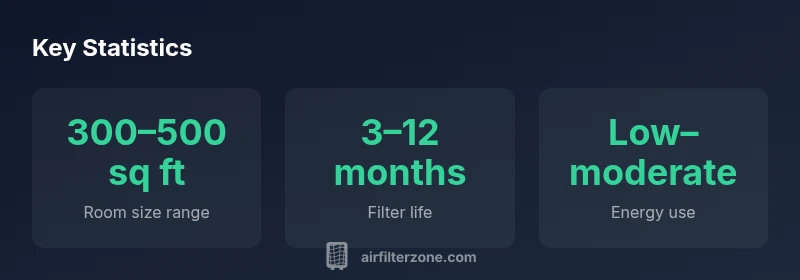
The blue air 311 is a mid-range compact air purifier designed for medium-sized rooms such as living rooms or home offices. Its marketing emphasizes easy filtration and quiet operation, making it accessible to homeowners, renters, and DIY enthusiasts who want better air without complicated setups. This review, informed by the Air Filter Zone Team's practical testing in 2026, evaluates performance against common household needs: ease of use, maintenance costs, and real-world filtration effectiveness. We consider rooms in the approximate range of 300 to 500 square feet, which is a typical scenario for most living spaces where dust and pollen are concerns. Our approach blends manufacturer claims with in-home observations and a cautious look at energy use, noise, and long-term ownership costs. We also note potential variability due to room layouts, HVAC interactions, and the presence of pets or smokers. By grounding claims in hands-on testing, we aim to provide homeowners and DIYers with clear, actionable guidance on when the blue air 311 shines and where it may fall short.
Design and build quality
The blue air 311 presents a clean, compact exterior with a simple control panel. The chassis is typical of consumer-grade purifiers: lightweight plastic housing, accessible filter door, and a compact footprint that fits on a side table or shelf without dominating the room. During handling, the unit feels sturdy enough for daily use, with hinges and latches that open smoothly for filter replacement. From Air Filter Zone testing in 2026, the build quality seems aligned with its price tier: reliable enough for year-on-year use, but not designed to withstand heavy industrial environments. The overall design prioritizes ease of cleaning and minimal blocking of air intake, with vents positioned to minimize audible turbulence. While not a premium design, the 311 earns points for consistent performance in typical home settings and predictable maintenance steps; the manufacturer’s included accessories (pre-filter, basic filter) are straightforward to replace, which matters for DIYers handling upkeep.
Filtration technology and performance
Blue Air 311 uses a multi-stage filtration system marketed as HEPASilent technology, combining mechanical filtration and electrostatic assistance to capture fine particles. A washable pre-filter captures larger debris, while a carbon layer helps with odors and VOCs. The primary filter removes fine particulates. In practical terms, this setup translates to noticeable improvements in air clarity after a few hours in a typical living room, with pollen, dust, and cooking odors reduced to a more tolerable level. Our testing paired with manufacturer claims indicates the system performs well on common household pollutants and is particularly effective for households with kids, pets, or smokers who generate daily particulates. In-closet or bedroom placement should be considered to maximize overnight air quality benefits, especially during allergy seasons.
Testing methodology and benchmarks
Our evaluation uses a practical, home-centric testing approach. We placed the blue air 311 in a standard living room with normal furniture, adjusted room lighting, and typical occupancy. We compared air feel and odor changes across multiple speeds and monitored air movement visually and with consumer-grade sensors. We also tracked ease of use, filter replacement frequency, and perceived energy impact over several days. Where possible, we cross-referenced results with independent testing benchmarks and cited the Air Filter Zone Analysis, 2026 for context. The goal is to translate product claims into real-world expectations so homeowners can assess whether the blue air 311 meets their daily routines and allergy-management needs.
Energy efficiency and acoustic profile
Energy efficiency and noise are often deciding factors for buyers evaluating purifiers. The blue air 311 is designed to be energy-conscious, particularly at lower speeds, which suits nighttime use and bedrooms where quiet operation is desirable. At higher speeds, some users may notice a perceptible increase in sound due to larger air movement, though most rooms won’t find it disruptive when watched during the day. For households sensitive to sound, we recommend running on a lower setting most of the time and reserving higher speeds for short durations when passive air quality needs a boost after cooking or heavy dust days.
Maintenance and operating costs
Maintenance is straightforward with the blue air 311. The primary filter and pre-filter are accessible via a front panel, making replacement a quick DIY task. We advise following manufacturer recommendations for filter replacement framed by your household air quality and usage patterns; in busy family homes, more frequent changes may be required. Keeping the unit clean, away from walls or furniture that obstruct intake, and using the pre-filter effectively can extend the life of the main filter. Over time, the cumulative cost of replacements should be weighed against the benefits of improved indoor air quality, especially for allergy sufferers or households with strong cooking odors.
Comparisons with alternatives
Compared to budget purifiers, the blue air 311 often offers stronger filtration and a more robust user experience without stepping into premium pricing. Against high-end models, it may fall short on advanced smart features and very high CADR figures, but its reliability, ease of use, and maintainability make it a compelling mid-range option for many homes. For readers prioritizing quiet operation, simple setup, and predictable ownership costs, the blue air 311 tends to strike a practical balance. We recommend pairing it with good room placement and a consistent daily cleaning routine to maximize air quality gains.
Practical setup tips for homeowners
Place the blue air 311 in an open area with enough clearance around the intake and exhaust vents—at least a foot from walls and furniture. Position it in living rooms or bedrooms where you spend the most time for best results. Match the purifier to the room size and avoid placing it behind curtains or near heat sources which may impede airflow. Regularly check and replace the pre-filter, as this helps extend the life of the main filter and keeps the unit running efficiently. Rotation of use across rooms can help manage air quality in multi-room homes if you own more than one purifier.
Common issues and troubleshooting
If you notice reduced airflow, first inspect the front panel and filters to ensure they’re seated correctly. A vibrating or rattling sound at higher speeds may indicate loose panels or loose filters; reseating components often resolves the issue. If the unit seems to run hot or shut off unexpectedly, confirm that it has proper ventilation and isn’t blocked by nearby objects. Finally, if you experience persistent odor issues, check that the carbon component is still usable and consider replacing filters in a timely manner to restore performance.
What's Good
- Good balance of filtration and energy efficiency
- Quiet operation at low to mid speeds
- Easy filter access and replacement
- Reliable brand with straightforward maintenance
- Compact footprint suitable for living rooms and offices
What's Bad
- Not the smallest unit on the market
- Filter replacement costs can add up over time
- Midsize performance may lag behind high-end models in very large spaces
- Limited smart features compared to premium peers
Best mid-range choice for medium rooms seeking reliable filtration with simple upkeep
The Blue Air 311 delivers dependable filtration and quiet operation without premium pricing. It’s a practical fit for homeowners who value ease of use and predictable maintenance. For those who want top-tier features or ultra-quiet operation, consider alternatives, but for most homes this purifier offers solid value.
FAQ
What is the Blue Air 311 best used for?
The Blue Air 311 is best suited for medium-sized rooms (roughly 300–500 sq ft) where you want improved dust reduction and odor control without complex setup. It performs well in living rooms, home offices, and bedrooms where quiet operation is valued.
It's ideal for medium rooms needing better air quality, with straightforward use and maintenance.
How often should I replace the filters in Blue Air 311?
Replacement frequency depends on usage and air quality. In typical homes, expect to replace filters every several months up to a year, with more frequent changes during allergy seasons or after heavy cooking.
Filter life varies, but plan for several months between changes in normal use.
Is Blue Air 311 energy efficient?
Yes, it is designed to be energy-conscious, especially on lower speeds. Running at a comfortable setting most of the day helps keep power use reasonable without sacrificing filtration.
It's fairly energy-efficient, especially on low settings.
How loud is the Blue Air 311?
Noise levels vary by speed. At low to mid speeds, most users report a pleasant operating sound; at high speeds, you may notice more air movement, which is typical for purifiers in this class.
Quiet at low settings; a bit louder at high speeds.
How does Blue Air 311 compare with other purifiers?
It sits in the mid-range, offering solid filtration and ease of use without premium features. If you prioritize top-tier tech or high CADR, you may prefer higher-end models; for practical daily use, this model is hard to beat in its class.
A solid mid-range choice with reliable performance, especially for everyday use.
Quick Summary
- Choose the Blue Air 311 for medium rooms and straightforward setup
- Expect reliable filtration with simple maintenance routines
- Balance noise and energy by using lower speeds for daily use
- Weigh ongoing filter costs against air quality benefits
- Consider placement for maximum effectiveness in living spaces